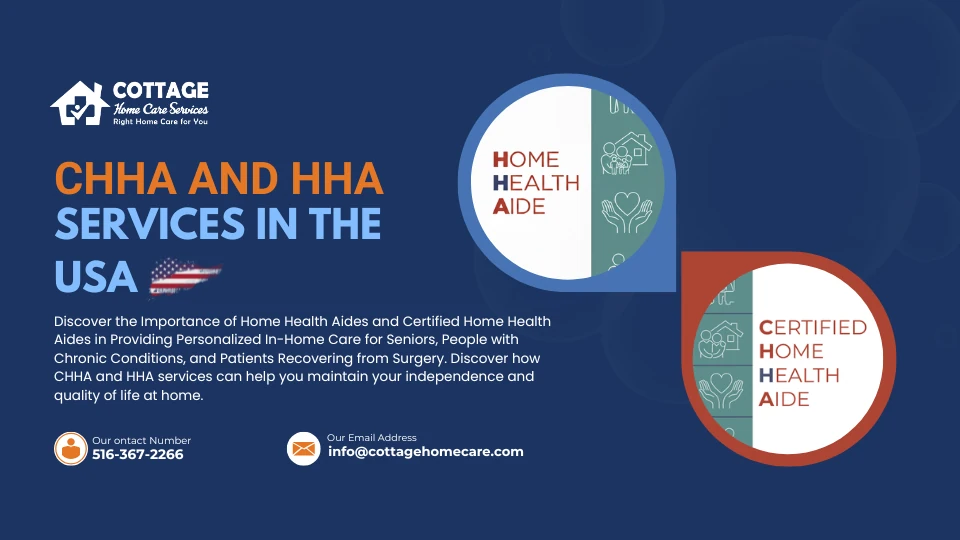
The Essential Role of CHHAs and HHAs in Providing In-Home Care Across the United States
The Essential Role of CHHAs and HHAs in Providing In-Home Care Across the United States
Imagine being unable to perform everyday tasks like bathing, dressing, or even preparing meals due to illness, injury, or old age. What happens when these small tasks become a big challenge? How can you make sure your loved ones are safe, cared for, and supported in their own homes, especially when professional healthcare is needed?
This is where Home Health Aides (HHAs) and Certified Home Health Aides (CHHAs) step in to offer much-needed care and support. These compassionate and skilled professionals are the backbone of in-home care, assisting those who need help maintaining their dignity, health, and independence. Whether you're recovering from surgery, managing a chronic illness, or simply need some extra support with daily activities, HHA and CHHA services could be the perfect solution you’re seeking.
Key Services:
- Personal care
- Mobility support
- Light housekeeping
- Emotional support
You may wonder, "Who can benefit from these services?" and "How do these services fit into my life?" If you’ve been asking yourself these questions, you're in the right place. In this article, we’ll explore everything you need to know about CHHAs and HHAs, their roles, their responsibilities, and why you or your loved one might need these services today.
What is a Home Health Aide (HHA)?
A Home Health Aide (HHA) is a non-medical practitioner who offers basic care and assistance to people in their homes. They support patients with activities of daily living (ADLs), guaranteeing their clients' comfort, safety, and independence.
Key Responsibilities of an HHA:
- Personal Care Assistance: Helping with basic hygiene tasks such as bathing, dressing, and grooming.
- Mobility Support: Assisting patients with safe movement within the home to prevent falls.
- Light Housekeeping: Doing home activities such as washing, cleaning, and organizing.
- Errands and Shopping: Carrying out errands such as grocery shopping, picking up medications, and other tasks.
- Companionship: Offering emotional and mental support to combat loneliness and improve mental health.
Who Needs HHA Services?
Group types that typically benefit from HHA assistance include:
- Elderly Individuals: Those who need help with everyday tasks to maintain independence.
- Post-Surgery or Injury Patients: Those who need temporary assistance to recover.
- People with Chronic Conditions: Patients dealing with conditions like heart disease, diabetes, or Alzheimer’s.
- Individuals with Disabilities: Those who require support navigating their environment safely.
Benefits of HHA Services
In-home care services from HHAs offer a compassionate and safe solution for those who want to stay at home while receiving professional assistance. These services allow individuals to receive physical help while also benefiting from emotional support, making life easier, more fulfilling, and more enjoyable.
What Defined a Certified Home Health Aide (CHHA)?
A Certified Home Health Aide (CHHA) provides essential personal care similar to an HHA, but possesses additional state-approved training and formal clinical certification. Under the supervision of a licensed healthcare professional, such as a registered nurse or doctor, CHHAs execute complex clinical care tasks.
Key Responsibilities of a CHHA:
- Medication Administration: Assisting patients with prescribed medications under medical direction.
- Wound Care: Changing dressings and monitoring clinical wound recovery.
- Health Monitoring: Observing patients for subtle health changes and reporting them to supervisory medical professionals.
- Physical Therapy Assistance: Helping patients perform physical exercises prescribed by doctors or therapists.
Who Needs CHHA Services?
CHHA services are ideal for patients with complex medical conditions. Key groups include:
- Elderly Individuals with Complex Needs: Seniors managing multiple chronic conditions like hypertension, arthritis, or cancer.
- Chronic or Acute Illnesses: Those dealing with diseases like heart failure or recovering from complex surgery.
- Cognitive Disorders: Individuals with Alzheimer’s or dementia who require specialized care.
- Post-Surgery Recovery: Patients requiring advanced clinical care, including wound care and medication management.
Why Choose CHHA Services?
CHHAs bring specialized clinical skills to in-home care, enabling them to perform medical tasks while ensuring overall well-being. Their ability to monitor health, administer medications, and assist with physical therapy makes them an invaluable resource for patients with complex medical needs.
Key Differences Between CHHA and HHA
Here is a breakdown of the core differences between HHA and CHHA roles:
| Feature |
Home Health Aide (HHA) |
Certified Home Health Aide (CHHA) |
| Training |
Basic agency training / non-clinical orientation |
State-approved training program (75+ hours) |
| Certification |
State certification not legally required for basic companion roles |
State certification required, including passing a clinical exam |
| Responsibilities |
Basic personal care, light housekeeping, and companionship |
Advanced tasks like medication administration and wound care |
| Supervision |
Supervised by home care supervisors |
Supervised by a licensed healthcare provider (RN or physician) |
| Job Scope |
Non-medical personal care assistance |
Clinical tasks and advanced personal care |
| Compensation Baseline |
$18–$21/hr baseline starting wages; Cottage Home Care offers top competitive pay based on experience |
Clinical hourly rates scaled to state certification and care complexity |
What Patients Can Expect
- From an HHA: Expect reliable mobility support, personal care assistance, and consistent companionship.
- From a CHHA: Expect skilled clinical support, including medication administration, wound care oversight, and vital sign health monitoring.
Why Are HHA and CHHA Services Needed?
The demand for HHA and CHHA services continues to grow as populations age and chronic conditions become more prevalent. In-home care provides a safer, more comfortable, and highly personalized alternative to institutional facility living.
Who Requires HHA or CHHA Services?
You or a loved one will benefit from these services if:
- Age, illness, or disability makes everyday household tasks challenging.
- Medication management or clinical health monitoring is required.
- Post-surgery recovery support or chronic condition management is needed.
Why Choose Cottage Home Care Services?
Founded in 2019, Cottage Home Care Services is a trusted partner dedicated to improving quality of life for clients and their families. Here is what sets our agency apart:
- Compassionate and Experienced Care: Our skilled caregivers go above and beyond to provide individualized, respectful care tailored to your family's routine.
- Faith-Based Mission: We operate with a strong commitment to empathy, dignity, and personal respect for every client.
- Screened and Certified Staff: All employees undergo comprehensive background checks and health screenings prior to placement.
- Comprehensive Care Solutions: From personal care aides to CHHA services, we provide a full spectrum of home care.
- 24/7 Availability: Our support teams are available around the clock to address any questions or scheduling needs.
- Affordable Private Pay Options: If you or a loved one do not qualify for Medicaid, Cottage Home Care offers flexible, highly affordable private-pay solutions so every family can access quality care.
Contact Us Today
If you are seeking professional, compassionate home care, reach out to our team today:
Our Programs and Services Include:
Frequently Asked Questions
What is the main difference between an HHA and a CHHA?
While both roles assist with daily activities, a Certified Home Health Aide (CHHA) possesses additional state-approved training and certification to perform clinical tasks like medication administration and wound dressing under a nurse's supervision. An HHA primarily focuses on non-medical personal care and companionship.
How do I become a Certified Home Health Aide (CHHA)?
To become a certified CHHA, you must complete a state-authorized training program (typically 75+ hours of combined classroom and clinical instruction) and pass the state competency exam. Training can be completed through vocational partners such as the Brooklyn Institute of Vocational Training (Phone: 929-386-0092).
What specific services do HHAs and CHHAs provide?
HHAs provide non-medical care, including assistance with bathing, dressing, light housekeeping, meal preparation, and companionship. CHHAs provide advanced support, including health monitoring, medication reminders, wound care, and physical therapy exercise assistance.
Who is eligible for home care aide services?
Services are suitable for elderly individuals, post-surgery patients, individuals living with chronic conditions (such as heart disease or diabetes), and individuals with disabilities who need support maintaining daily independence at home.
How much do HHA and CHHA services cost?
Costs depend on geographic location, required level of care, and scheduling needs. Baseline industry caregiver starting wages range from $18 to $21 per hour, with Cottage Home Care offering state-leading compensation to our staff while providing affordable private-pay rates for families without Medicaid coverage.
Cottage Home Care Services understands how vital dependable, competent care is for your loved ones. Call us today at (516) 367-2266 or email info@cottagehomecare.com to discuss the best care options for your family.
| |


 Sabine DurgaramDPS/RN