NHTDWaiver Program in New York
Nursing Home Transition and Diversion — Cottage Home Care New YorkCottage Home Care helps NY residents on the NHTD Waiver stay in their own homes instead of moving to a nursing facility, serving NYC, Nassau, Suffolk, and Westchester. We provide non-medical HHA/PCA staffing and caregiver matching, guiding your family through enrollment at no cost.
- NYSDOH-Regulated Waiver
- Certified Home Health Aides
- NYC, Nassau, Suffolk, Westchester
Verified & compliant


What Is the NHTD Waiver?
NHTD stands for Nursing Home Transition and Diversion, a New York Medicaid waiver that funds home and community based services for people who need nursing home level care but want to stay home. NYSDOH runs it under federal Section 1915(c) authority from CMS. It's not an entitlement. The state capped enrollment at 9,400 participants for 2025-26 through 2027-28. Cottage Home Care Services staffs non-medical HHAs for NHTD participants based on the hours in each person's service plan.
Home-Based Transition
Supports individuals moving from nursing homes back to home-based care.
Medicaid-Funded
Provides Medicaid-covered services for eligible participants at no out-of-pocket cost.
Your Choice, Your Team
Participants can choose services, providers, and caregiving support that best fit their needs and preferences.
State-Checked Care
NYSDOH oversees the program. Cap: 9,400 participants for 2025-2028.
NHTD at a Glance
- Full name
- Nursing Home Transition and Diversion Waiver Program
- Type
- New York State Medicaid HCBS waiver, authorized under federal Section 1915(c)
- Who it's for
- Adults 18–64 with a verified physical disability, or adults 65 and older, who need nursing-home-level care and prefer to stay home rather than move to a facility
- Administered through
- Regional Resource Development Centers (RRDCs), under NYSDOH
- Participant cap
- 9,400 per waiver year for 2025-26, 2026-27, and 2027-28
- Medicaid code
- Code 60
- Cottage serves
- All 5 NYC boroughs, Nassau, Suffolk, and Westchester
- Funded by
- New York Medicaid, at no out-of-pocket cost for those who qualify for full coverage
Eligibility Criteria
The Nursing Home Transition and Diversion waiver supports New Yorkers who are Medicaid-eligible and need nursing-home level care but want to live safely at home. Eligibility is decided by the New York State Department of Health, not by Cottage Home Care.
- Must be Medicaid-eligible, with active New York community Medicaid.
- Must require a nursing-home level of care, confirmed by clinical assessment.
- Be 18–64 with a verified physical disability, or 65 or older.
- Must be able to live safely in the community with waiver services.
You cannot be enrolled in NHTD while also enrolled in MLTC, HARP, Health Homes, or PACE.
If you don't currently qualify for NHTD, Private Pay home care may still be an option.
Services Covered by the NHTD Waiver
Which services you receive depends on your individualized service plan. Medical services covered under standard Medicaid are handled separately from the waiver.
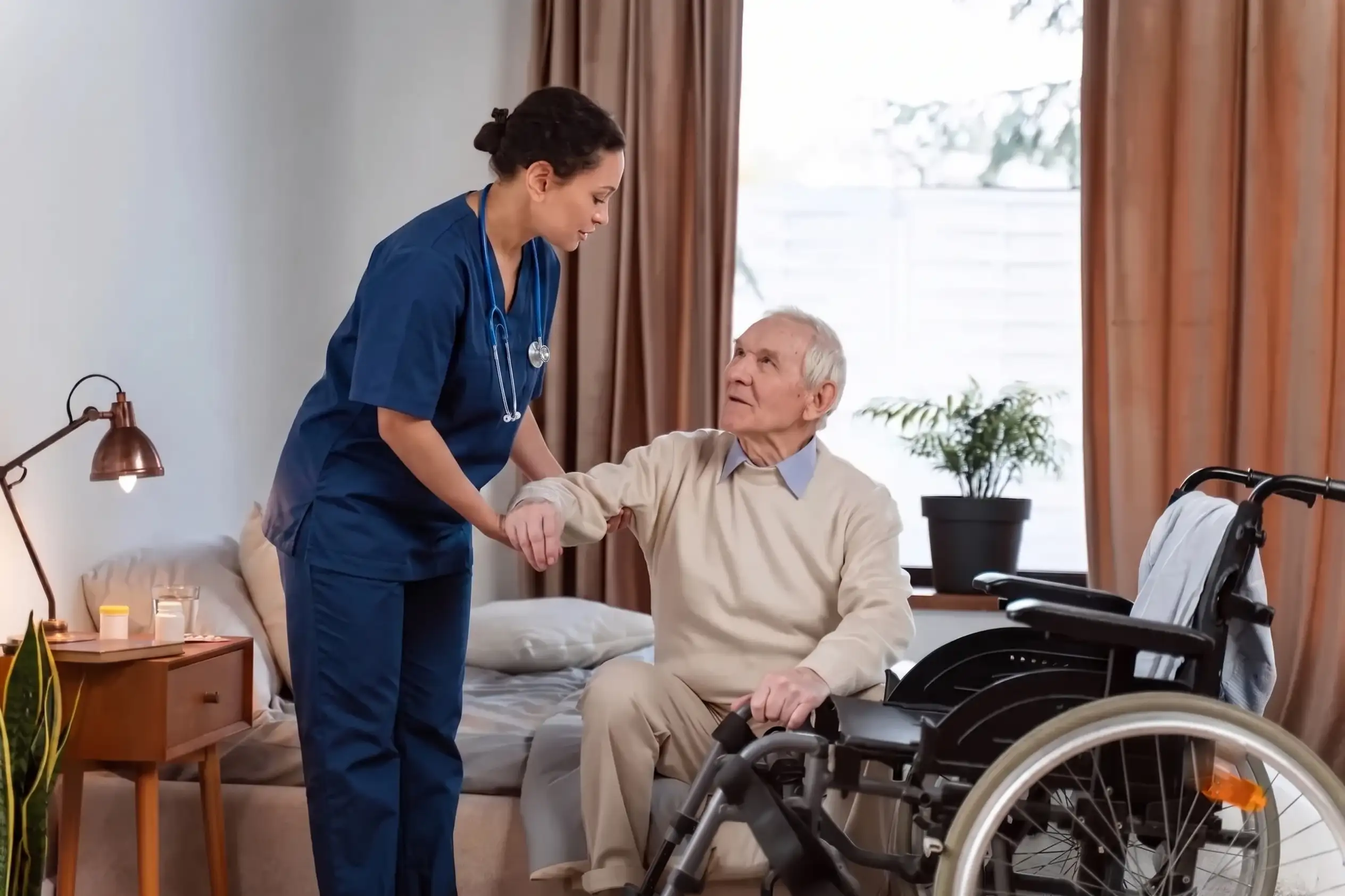
Home and Community Support Services
Personal care assistance in your own home. This is Cottage's part.

Community Transitional Services
Help moving from a nursing home back to your own place.
Service Coordination
A dedicated coordinator manages and adjusts your care plan.

Assistive Technology
Equipment that supports independent living and communication.
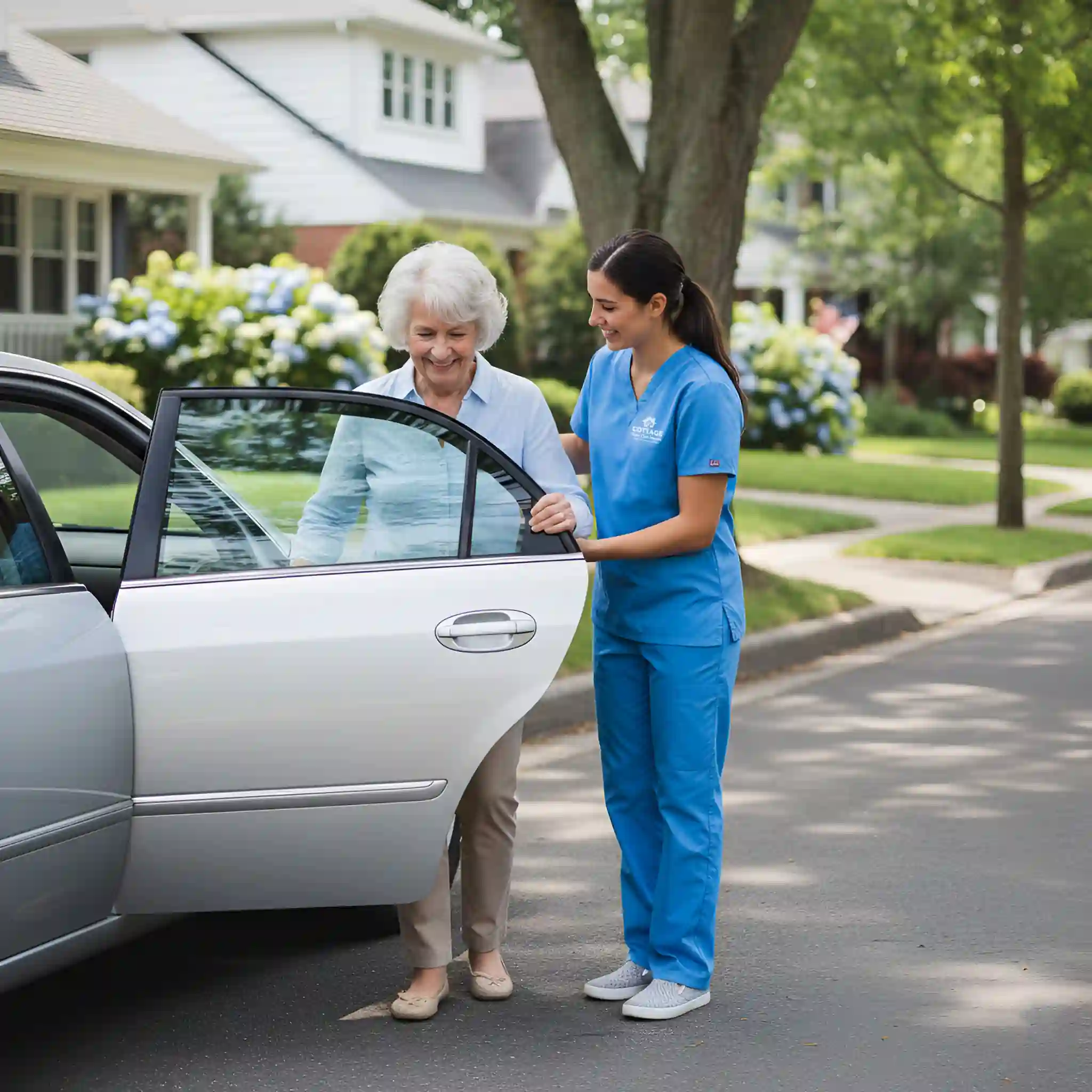
Independent Living Skills Training
Instruction to help you manage daily life more independently.

Structured Day Program Services
Supervised daytime activities that support skills and social engagement.
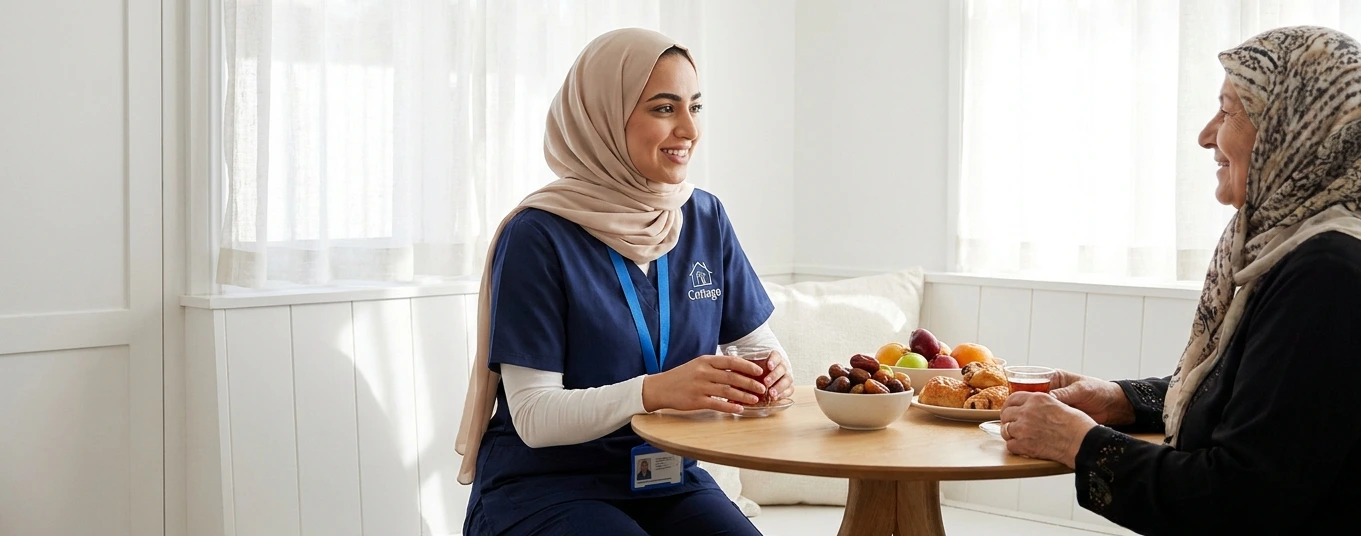
Respite Services
Temporary relief for family members and informal caregivers.
Cottage provides the non-medical Home and Community Support Services (HHA staffing) part of your NHTD plan. Service coordination, clinical evaluation, and any added therapies go through your NHTD Service Coordinator and care team instead.
Active HHA Aides
Extensive Experience
Expert Medical Team
Non-Medical Home Care for NHTD Participants
Our certified home health aides assist with a wide range of personal care activities, always delivered with dignity and respect:
- Bathing and grooming
- Dressing assistance
- Toileting and incontinence care
- Mobility support
- Medication reminders
Bathing and Grooming
Full or partial bathing assistance, hair care, and personal grooming, done with comfort and respect.
Dressing Assistance
Help selecting and putting on clothing each day, including adaptive clothing when needed.
Toileting and Incontinence Care
Assistance with toileting and continence needs, keeping hygiene and comfort a priority.
Mobility Support
Safe help with walking, transferring, and moving around the home to reduce fall risk.
Cottage's aides also provide medication reminders, meal preparation, and light housekeeping. We do not administer medication or provide any skilled nursing or clinical service. Nursing and therapy, when authorized in an NHTD service plan, are arranged separately through the participant's care team.
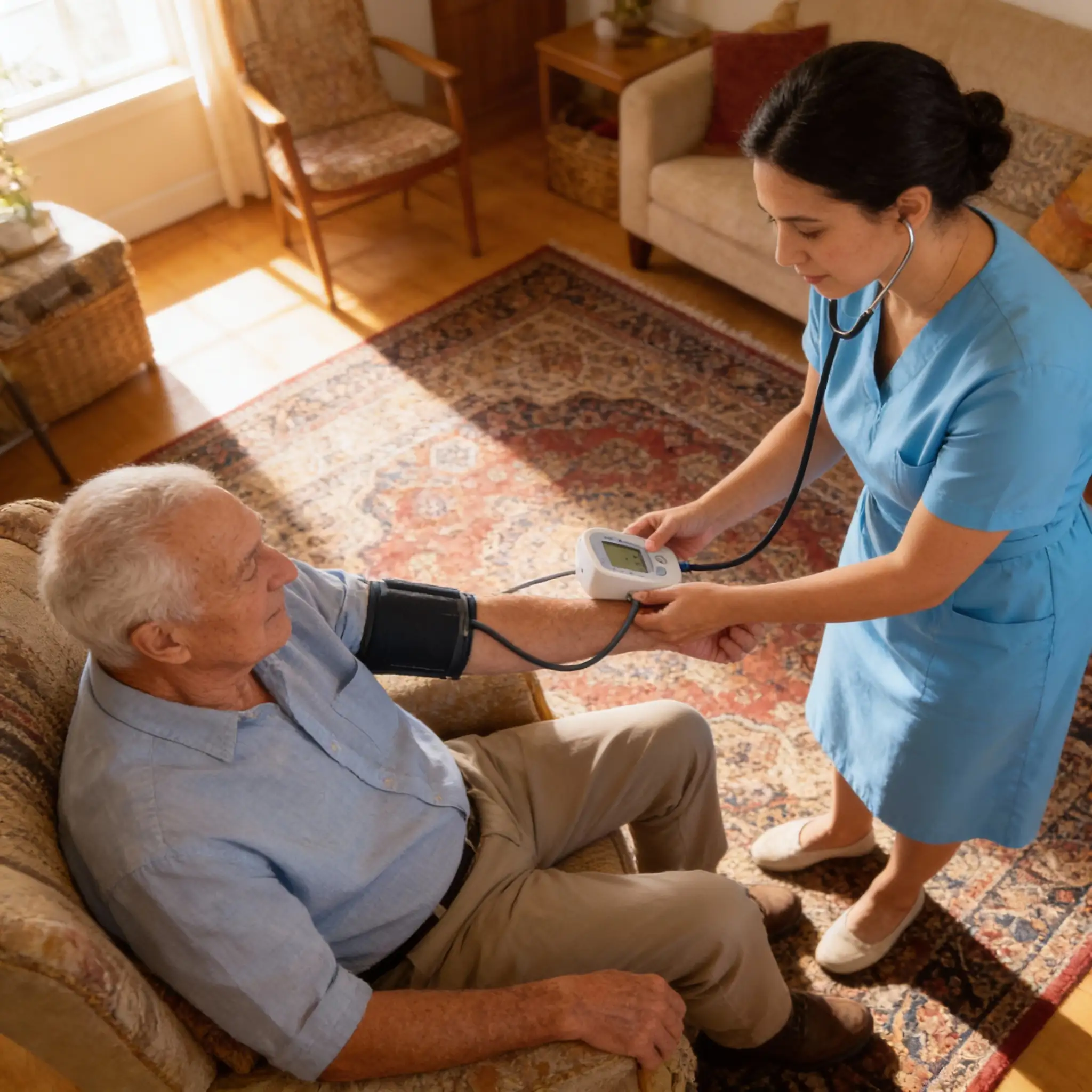
How to Start NHTD Home Care
Cottage Home Care can guide you through each step, whether you are already enrolled or just getting started.
- 1
Reach out to get started
Nursing-home residents: ask your discharge planner to connect you with an RRDC. Community residents: contact your local Regional Resource Development Center (RRDC) directly.
- 2
Meet with an RRDC coordinator
Work with a coordinator to review your needs and begin the waiver process. Active New York Medicaid must be in place first.
- 3
Complete your Individual Service Plan
Finalize your service plan with Cottage Home Care as your HHA provider so home health aide services can start.
- 4
Care starts
We match you with a certified aide and confirm your Medicaid Code 60 is active before your first visit.
Common Questions About NHTD
Have more questions about the NHTD Waiver in New York? We're here to help.
(516) 367-2266NHTD funds a range of community-based services that replace what would otherwise require a nursing facility. Participants get personal care at home, skills training, community integration support, and environmental modifications so they can manage daily life safely without institutional care.
The Nursing Home Transition and Diversion Waiver is a New York State Medicaid program authorized under federal Section 1915(c). It provides home and community based services to eligible seniors and adults with physical disabilities who require nursing-home-level care but want to stay in the community.
You may be a strong candidate if you have active New York community Medicaid, require a nursing-home level of care, are 65 or older or between 18 and 64 with a verified physical disability, and can live safely in the community with waiver support. The New York State Department of Health makes the final eligibility decision, not a home care agency.
NHTD covers service coordination, home and community support services, community transitional services, environmental modifications, assistive technology, independent living skills training, structured day programs, respite care, and more. Specific services are authorized through your individual service plan.
NHTD stands for Nursing Home Transition and Diversion. Transition means helping someone leave a nursing home and return to the community. Diversion means helping someone at risk avoid nursing home placement in the first place.
Section 1915(c) of the Social Security Act lets states use Medicaid funding for home and community based services instead of institutional care. NHTD operates under this authority. The federal Centers for Medicare and Medicaid Services must approve the waiver, including the total number of participants allowed.
Yes. Participant direction is a core feature of NHTD. Participants choose the services they receive, the providers they work with, and the outcomes they want. Services must still be authorized in the individual service plan, and providers must be approved NHTD providers.
NHTD does not provide housing directly, but participants transitioning from a nursing facility may have certain one-time costs covered, such as a security deposit or utility setup. Some participants may also qualify for a state-funded housing subsidy administered through the program, subject to available funds.
Start by contacting the Regional Resource Development Center (RRDC) for your area. The RRDC reviews your referral, sets up an interview, and walks you through documentation. You need active New York Medicaid first. Cottage Home Care can help you understand your current Medicaid coverage type before you begin.
Success in NHTD is measured against each participant's own goals, set out in their individual service plan. For some, that means staying out of a nursing home. For others, it means successfully transitioning back to community life. Service Coordinators monitor progress and adjust the plan as needs change.
NHTD supports Medicaid-eligible New Yorkers 65 and older, or ages 18 to 64 with a verified physical disability, who need nursing-home-level care but want to remain in the community.
No. The TBI Waiver is separate from NHTD and serves adults with traumatic brain injuries. NY Medicaid Code 81 identifies enrollees actively enrolled in or eligible for the TBI Waiver.
These are real families in your neighborhood who made the same call you're thinking about making.
Testimonials From Our Patients
and CareGivers


Cinthya Almendarez
Profession : Patient
Service: HHA

Riverside Select Services, LLC DBA Cottage Homecare Services is a spectacular agency with a great work environment. I can call any hour and there is always someone on the phone who will answer me and provide the help I need.
Rated 5 out of 5
5

Sherry Fiedtkou
Profession : Patient
Service: HHA
I'm having the best experience working with Riverside Select Services, LLC DBA Cottage Homecare Services The staff and management is exceptional because I've been working in the Home care for 17 years and this is one of the best agencies.
Rated 4.8 out of 5
4.8

Natividad Mateo
Profession : Patient
Service: NHTD
Excellent customer service and employee service, always with a smile. Staff is caring and loving and receptive to your needs. Great home care agency to sign up with for work, or to receive Homecare services at home.
Rated 5 out of 5
5
Service Area
Cottage Home Care Serves NHTD Participants Across Downstate New York
We staff certified aides for NHTD participants across all five NYC boroughs, Nassau County, Suffolk County, and Westchester County, out of our offices in Freeport, Queens, and Jamaica.