COVID-19 Awareness—Stay at Home, Stay Safe | Cottage Care
COVID-19 Safety and Health Updates from Cottage Home Care
COVID-19 Home Care Safety in New York City
At Cottage Home Care Services, we understand that providing reliable home care during the COVID-19 pandemic requires enhanced safety and vigilance. As a trusted home care agency in New York City, our top priority is protecting the health of our patients, caregivers, and staff while continuing to deliver high-quality, in-home support.
We proudly offer essential home health care services across NYC, including Queens, Brooklyn, Manhattan, the Bronx, and Staten Island, as well as Nassau, Suffolk, Westchester, and Albany counties. Whether you need a certified home health aide (HHA) or a personal care aide (PCA), our team is trained to follow the latest CDC and New York State Department of Health COVID-19 guidelines to ensure safe and dependable care.
Our home care services include help with bathing, dressing, mobility, meal preparation, medication reminders, and other non-medical support — all while maintaining the highest standards of infection control. We know that seniors and medically vulnerable individuals need trustworthy in-home care, especially during a public health crisis.
COVID-19 Safety Practices Implemented by Our Caregivers:
Our caregivers are trained to serve diverse communities and understand the importance of COVID-19 prevention, especially in senior home care. Families in NYC can rest assured that we take every step to create a safe and supportive environment.
If you have questions about our COVID-19 safety measures or need in-home care in New York City, please contact us at 516-367-2266 or email info@cottagehomecare.com. We're here to help you with trusted care during uncertain times.
Thank you for choosing Cottage Home Care Services — your reliable source for COVID-safe home health care in NYC.
The best way to prevent and slow down transmission is be well informed about the COVID-19 virus. Protect yourself and others from infection by washing your hands at-least 20sec and not touching your face.

The safety of our employees and our clients at Cottage Home Care Services is our priority. As the Coronavirus (COVID-19) pandemic continues, we are monitoring the situation closely and following the guidance from the Centers for Disease Control and Prevention and local health authorities.
About the disease
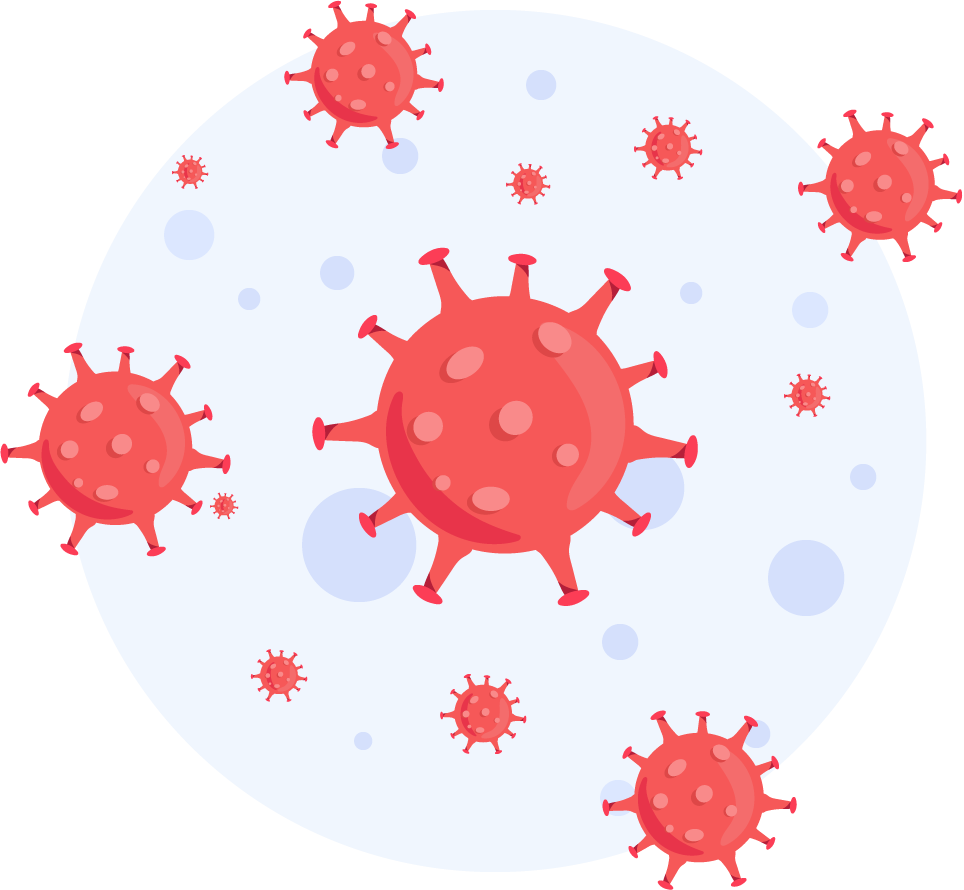
COVID-19 is a new illness that can affect your lungs and airways. It's caused by a virus called coronavirus. It was discovered in December 2019 in Wuhan, Hubei, China.
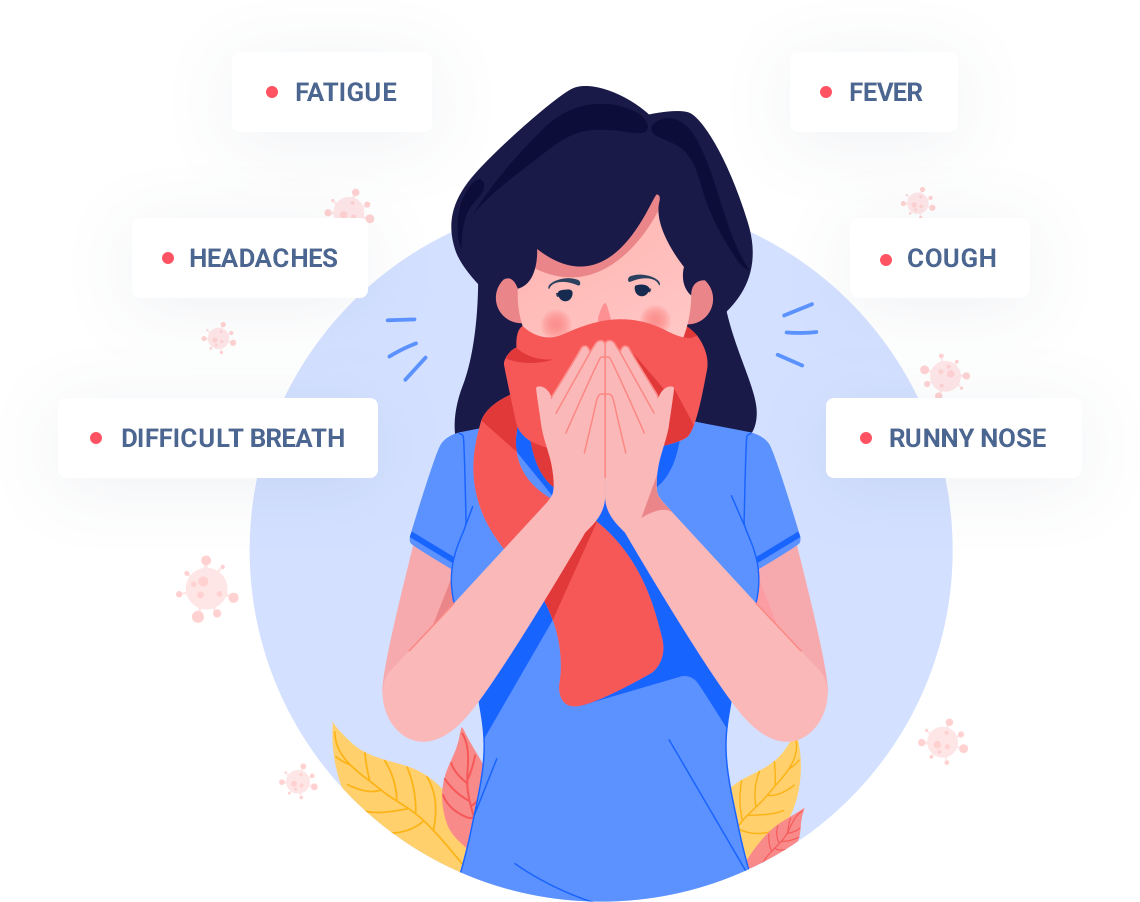
Common signs of infection include respiratory symptoms, fever, cough, shortness of breath and breathing difficulties. In more severe cases, infection can cause pneumonia, severe acute respiratory syndrome, kidney failure and even death.
Standard recommendations to prevent infection spread include regular hand washing, covering mouth and nose when coughing and sneezing, thoroughly cooking meat and eggs. Avoid close contact with anyone showing symptoms of respiratory illness such as coughing and sneezing.
What are the symptoms of COVID-19?
The most common symptoms of COVID-19 are fever, tiredness, and dry cough. Some patients may have aches and pains, nasal congestion, runny nose, sore throat or diarrhea. These symptoms are usually mild and begin gradually. Also the symptoms may appear 2-14 days after exposure.
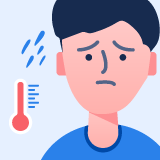
High Fever - this means you feel hot to touch on your chest or back (you do not need to measure your temperature). It is a common sign and also may appear in 2-10 days if you affected.

Continuous cough -this means coughing a lot for more than an hour, or 3 or more coughing episodes in 24 hours (if you usually have a cough, it may be worse than usual).
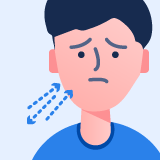
Difficulty breathing - Around 1 out of every 6 people who gets COVID-19 becomes seriously ill and develops difficulty breathing or shortness of breath.
The safety of our employees and our clients at Cottage Home Care Services is our priority. As the Coronavirus (COVID-19) pandemic continues, we are monitoring the situation closely and following the guidance from the Centers for Disease Control and Prevention and local health authorities.
The best thing you can do now is plan for how.

The best thing you can do now is plan for how.

The best thing you can do now is plan for how.

The best thing you can do now is plan for how.

The best thing you can do now is plan for how.

The best thing you can do now is plan for how.