Key Takeaways
- DSP means Direct Support Professional. In disability and community care, a DSP helps a person with intellectual or developmental disabilities build skills, stay safe, make choices, and take part in everyday life.
- DSP support is person-centered. The worker follows the person’s goals and support plan instead of using the same routine for everyone.
- Daily tasks can include bathing, meals, communication support, transportation, community activities, job coaching, skill-building, and documentation.
- A DSP is not the same as a nurse. Medical tasks depend on the person’s plan, state rules, training, and supervision.
- Training rules vary. There is no single federal DSP license. NADSP offers optional DSP-I, DSP-II, and DSP-III credentials.
- For families: Start with the person’s daily needs, goals, communication style, program status, and schedule. Those details help determine what kind of support fits.
A DSP, or Direct Support Professional, is a paid worker who helps a person with intellectual or developmental disabilities live as independently as possible. The work may happen at home, in a supported living setting, at a job, or out in the community.
A DSP may help your relative get dressed, make a meal, use transportation, communicate needs, learn a new skill, go to work, or join a community activity. The goal is not just to “do things for” the person. Good direct support helps the person make choices and do as much as they can for themselves.
If you are comparing care for a family member, this guide explains what DSPs do, how the role differs from other care jobs, how training and funding work, and what to prepare before you ask an agency or state program for help.
In This Guide
What is a Direct Support Professional?
What does a DSP do each day?
Who may benefit from DSP support?
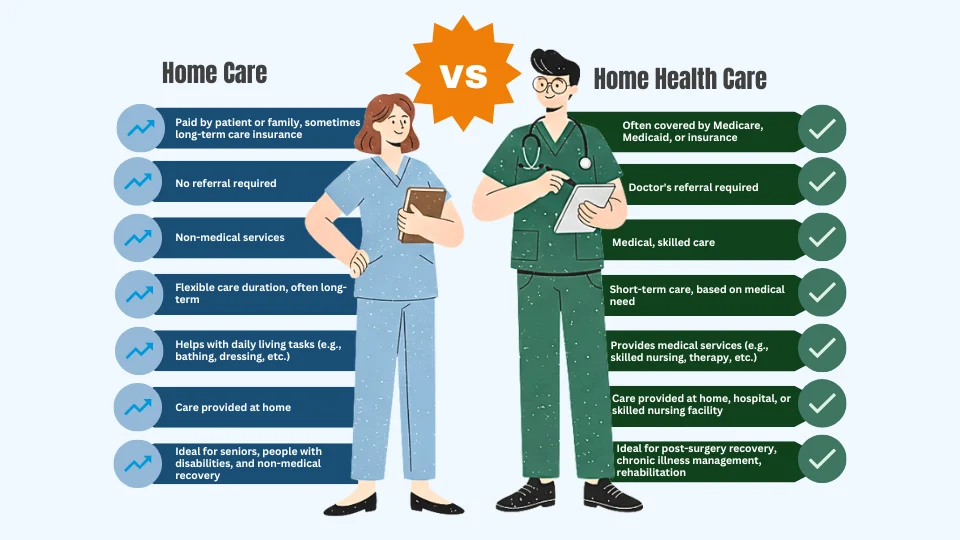
DSP vs. caregiver or home health aide
Training and DSP certification
How DSP services are paid for
Can a family member be paid to provide support?
What to ask before choosing support
How Cottage can help
Frequently asked questions
What Is a Direct Support Professional?
Quick answer: A Direct Support Professional helps a person with intellectual or developmental disabilities with daily life, personal goals, communication, independence, and community participation.
The federal government has long described DSPs as workers who support people with intellectual and developmental disabilities with personal care, health needs, work, transportation, recreation, home tasks, and community life. The role is broad because the support should match the person, not a fixed job list. Read the federal DSP definition.
You may also hear titles such as direct support worker, job coach, habilitation specialist, residential counselor, or community support worker. The exact title depends on the state, program, and employer.
Person-centered support is the key idea
A DSP should support the person’s choices, goals, and routines. For one person, that may mean learning to cook. For another, it may mean taking the bus to work, practicing communication, or getting ready for a community activity. The worker helps without taking over tasks the person can do safely.
What Does a DSP Do Each Day?
A DSP follows the person’s support plan. Tasks can change from one person to another, but they often include:
Daily living
Bathing, dressing, meals, hygiene, laundry, housekeeping, and other approved daily tasks.
Life skills
Cooking, shopping, budgeting, using transportation, communication, and other skills linked to independence.
Community life
Appointments, recreation, faith activities, social events, volunteering, and other community goals.
Work and education
Job coaching, workplace routines, skill practice, and support with goals in the person’s plan.
Health and safety support
Following safety plans, noticing changes, reporting concerns, and helping with approved health-related tasks within training and state rules.
Documentation
Recording services, progress, incidents, and changes so the care team has accurate information.
Medication support is a good example of why scope matters. A DSP may be allowed to help with medication in some programs, but only when the worker has the required training and the task is allowed by the person’s plan and state rules. A DSP should not perform skilled nursing tasks simply because they are present in the home.
Who May Benefit From DSP Support?
DSP support may fit when a person with an intellectual or developmental disability needs help with more than basic household tasks. The person may be working toward skills, independence, communication, community participation, or a goal in a formal service plan.
You may want to ask about direct support if your relative needs help with:
- Learning or keeping daily living skills
- Getting to work, appointments, or community activities
- Following a person-centered Life Plan or support plan
- Communication or social support
- Building routines that support more independence
- Giving family caregivers scheduled relief while approved support continues
A useful question: Instead of asking only, “Does my relative need a DSP?” write down what the person wants to do, what they can do safely on their own, and where they need support. That gives a care coordinator or state program much better information.
DSP vs. Caregiver or Home Health Aide
These jobs can overlap, but they are not identical.
| Role |
Main focus |
Common setting |
| DSP |
Independence, life skills, personal goals, community participation, and daily support for people with disabilities |
Homes, supported living, group settings, jobs, day programs, and the community |
| Caregiver / PCA |
Personal care, meals, mobility, companionship, and household help |
Usually a person’s home or community |
| Home Health Aide |
Personal care plus certain health-related tasks where state rules, training, and supervision allow |
Home care, often under agency or clinical supervision |
For a deeper role-by-role comparison, see Cottage’s DSP vs. caregiver guide. This page stays focused on what a DSP is and how direct support works.
What Training or Certification Does a DSP Need?
Quick answer: There is no single federal DSP license. Required training depends on the state, the service program, the employer, and the tasks the worker is allowed to perform.
Training may include person-centered support, safety, abuse and neglect reporting, communication, documentation, behavior support, first aid or CPR, medication support, and the person’s own care plan. The exact list is not the same everywhere.
The National Alliance for Direct Support Professionals offers optional professional credentials called DSP-I, DSP-II, and DSP-III. These credentials recognize skills and education, but they do not replace state or employer requirements.
In New York, OPWDD also uses Core Competencies for staff who provide direct support to people with intellectual and developmental disabilities. These cover areas such as putting people first, relationships, professionalism, health, safety, home life, and community participation. See the OPWDD DSP Core Competencies.
How Are DSP Services Paid For?
Many DSP services are part of Medicaid home and community-based services, often called HCBS. States use these programs to help people with disabilities receive support at home and in the community instead of relying only on institutions. Learn about Medicaid’s direct care workforce.
That does not mean every person automatically gets a DSP or unlimited hours. The person may need to qualify for a state disability program, complete an assessment, have an approved service plan, and use an authorized provider or self-directed option.
New York example: OPWDD
In New York, the Office for People With Developmental Disabilities (OPWDD) coordinates services for eligible people with developmental disabilities. Cottage’s New York OPWDD program provides authorized home and community support, including caregiver staffing, respite, community habilitation support, and coordination within the person’s approved plan. OPWDD makes the final eligibility decision, not Cottage. See Cottage’s New York OPWDD services.
Can a Family Member Be Paid to Provide DSP Support?
Sometimes, but not under every program. Self-directed disability programs may allow a person to choose some of the people who provide support. The rules depend on the state, the family relationship, where the worker lives, and the service being provided.
For example, New York OPWDD Self-Direction has specific limits on hiring relatives. Current OPWDD guidance says some relatives may be paid when all program conditions are met, while certain relationships and living arrangements are not allowed. If your family is considering this route, ask your Care Coordination Organization or OPWDD team before counting on paid hours. Read OPWDD Self-Direction guidance.
Looking for paid care work? Cottage’s careers page lists current openings and the pay shown for each role when available. Cottage also publishes weekly pay, paid training and onboarding, flexible scheduling, and competitive pay for caregiving roles, with details varying by job and location. See current Cottage careers.
What Should Families Ask Before Choosing DSP Support?
A good match is about more than finding someone who is available. Ask questions that show how the worker will support the person’s real goals.
- What does the person want help with? Separate daily care needs from skill-building and community goals.
- Which tasks are authorized? Ask what is in the service plan and what is outside the worker’s scope.
- What training does the worker have? Ask about disability support, communication, behavior support, safety, and any health-related tasks in the plan.
- How will communication work? Share preferred language, communication devices, routines, sensory needs, and important cues.
- Who supervises the worker? Know who to call when the plan changes or a concern comes up.
- What happens if the regular worker is unavailable? Ask about backup staffing and schedule changes.
- How is progress documented? The family and care team should know how goals, incidents, and changes are recorded.
Why availability may take time
Families sometimes expect a perfect match right away. In a 2025 KFF survey, 48 states reported shortages of direct support professionals in their home and community-based service programs. That does not mean your family cannot get help, but it is one reason to start planning early and ask about backup staffing. See the KFF workforce findings.
How Cottage Can Help Your Family
You do not need to know the exact job title before you call. Start with the person, not the label.
Before an intake conversation, it helps to have:
- The person’s age and location
- The disability-support program they use, if any
- Medicaid or other coverage information
- Current care manager, CCO, or service coordinator information
- The daily tasks that are difficult
- The person’s goals, routines, and preferred communication style
- The days and times support is needed
In New York, Cottage publishes OPWDD support for eligible individuals across New York City, Nassau, Suffolk, and Westchester, with services tied to the person’s authorized plan. Cottage’s New York page lists NYSDOH License Nos. 2773L001 and 2773L002. Review Cottage Home Care New York.
Not sure which support fits?
Tell Cottage what your relative needs help with, where they live, which program they use, and what goals are in the care plan. The team can explain the Cottage services available in that area and what information is needed for the next step.
Frequently Asked Questions About DSPs in Healthcare
What does DSP stand for in healthcare?+
In disability and community-based care, DSP usually means Direct Support Professional. A DSP helps a person with intellectual or developmental disabilities with daily life, personal goals, independence, and community participation.
Is a DSP a nurse?+
No. A DSP is a direct support worker, not automatically a licensed nurse. Some DSPs may help with approved health-related tasks after required training, but skilled nursing remains a separate role.
Is a DSP the same as a caregiver?+
Not exactly. “Caregiver” is a broad term. DSP work is usually tied more closely to disability support, person-centered goals, skill-building, choice, and community participation.
Do DSPs only work in group homes?+
No. DSPs may work in a person’s home, supported living, residential programs, day programs, workplaces, or community settings.
Do you need a college degree to become a DSP?+
Many DSP jobs do not require a college degree. The employer or state program may require specific training, background checks, orientation, or other qualifications before work begins.
Can a DSP give medication?+
Sometimes, but only when the task is allowed by state rules, the service plan, and the worker’s training or supervision. Families should not assume every DSP can administer medication.
Does Medicaid pay for DSP services?+
Many DSP services are funded through state Medicaid home and community-based programs. Eligibility, service types, authorized hours, and provider rules are set by the state program.
Can a family member be paid as a DSP?+
Some self-directed programs allow certain relatives to be paid support workers, but relationship, residency, training, and service rules apply. Confirm the rules with the person’s state program before relying on this option.
How much does a DSP make?+
There is no single national DSP wage because the federal labor system does not use one DSP occupation code. Pay depends on the state, program, employer, shift, experience, and duties. Check the actual job posting for the current rate and benefits.
How do I know if Cottage can provide the right support?+
Share the person’s location, program, approved services, daily needs, goals, and schedule. Cottage can explain which services it provides in that area and what the next intake step would be. New York families using OPWDD can also review Cottage’s dedicated OPWDD page.
Official Sources and Helpful Resources
|
|


 Sabine DurgaramDPS/RN