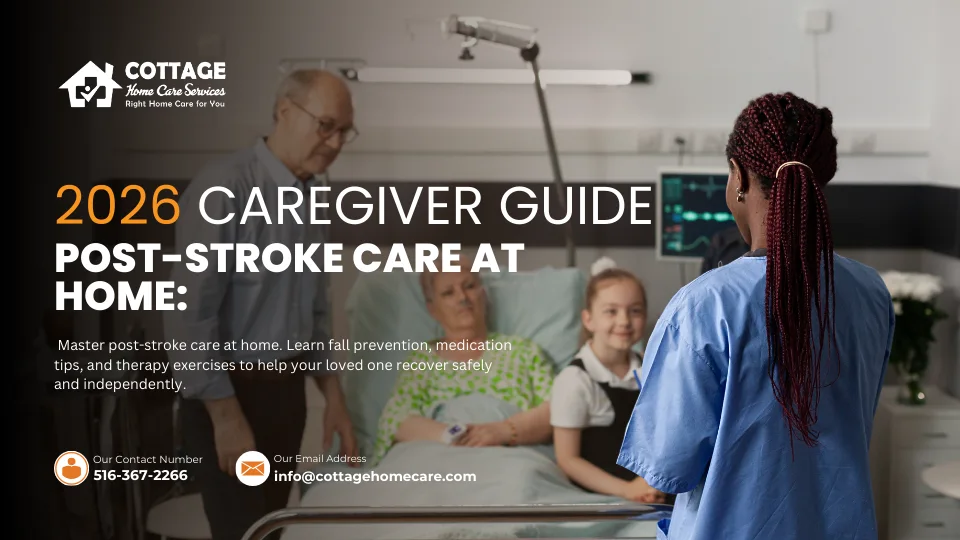
Post-Stroke Care at Home: A Complete Guide for Family Caregivers
Stepping into the role of a caregiver after a loved one’s stroke can feel overwhelming. Whether you're preparing for a hospital discharge or already taking care of them at home, it can be hard to know what to do first. This guide helps you, as a family caregiver, manage post-stroke care at home with confidence. We’ll walk through the basics: assisting with daily activities, managing medications, supporting therapy at home, and accessing professional and emotional support.
Why Post-Stroke Care at Home is Important
Stroke recovery continues long after hospital discharge. After a stroke, your loved one may need help with mobility, taking medication, or personal hygiene. The goal is to help them regain as much independence as possible through structured, patient care that prioritizes safety and dignity.
Step-by-Step Guide to Caring for a Stroke Patient at Home
1. Guidance for Daily Activities (ADLs)
Stroke survivors often need assistance with activities of daily living. The goal is to support them safely while encouraging self-reliance whenever possible.
- Bathing & Hygiene: Use shower chairs, handheld showerheads, and grab bars to make bathing safer.
- Dressing: Lay out adaptive clothing in proper sequence. Support with buttons or zippers as needed, allowing the senior to do as much as they safely can.
- Eating & Nutrition: Utilize adaptive utensils with modified grips. Ensure meals align with dietary guidelines, offering softer textures if dysphagia (difficulty swallowing) is present.
- Fall Prevention: Ensure environmental hazards like throw rugs and clutter are cleared. Install raised toilet seats and non-slip mats, and ensure caregiver assistance during all mobility transfers.
2. Medication and Therapy Management
Adherence to prescribed medical plans is critical for preventing secondary strokes and driving rehabilitation progress.
- Medication Tracking: Utilize weekly pill organizers and digital reminders to manage complex prescription schedules (e.g., blood pressure, blood thinners, cholesterol). Watch for potential side effects and report changes to the physician.
- Home Physical & Occupational Therapy: Encourage daily prescribed exercises to improve strength and range of motion. Maintain a positive, patient environment as physical progress takes time.
3. Home Modifications & Assistive Equipment
Adapting the living space ensures proper accessibility and safety for recovery:
- Mobility Aids: Equip the home with appropriate canes, walkers, or wheelchairs as recommended by physical therapists.
- Bathroom Modifications: Install certified wall-mounted grab bars and safety rails.
- Living Space Layout: Clear wide pathways through main rooms to easily accommodate wheelchairs or mobility equipment.
4. Emotional and Behavioral Support
A stroke can cause cognitive and emotional shifts, including mood swings, frustration, anxiety, or depression.
- Managing Emotional Changes: Practice active listening and patience. Use simple cues or visual aids if speech impairment (aphasia) is present.
- Preventing Caregiver Burnout: Caregiving is physically and emotionally demanding. Utilize professional respite care services to take necessary breaks, and connect with local caregiver support groups.
Navigating Professional In-Home Services
Professional in-home assistance provides crucial clinical and personal care support during stroke rehabilitation:
- In-Home Care Agencies: Licensed Home Health Aides (HHAs) and Personal Care Assistants (PCAs) deliver hands-on assistance with personal care, transfers, meal prep, and household tasks. Non-medical caregiver baseline wages range from $18–$21 per hour, with Cottage Home Care Services offering the highest competitive compensation based on state guidelines and caregiver experience.
- Insurance & Medicaid Coverage: Programs such as Medicaid Home Help or Waiver options can cover professional personal care costs for qualifying individuals. Learn more about Personal Care & HHA Services.
Actionable Checklist for Post-Stroke Caregivers
- Daily Routines: Assist with ADLs, maintain structured medication schedules, and guide daily physical therapy exercises.
- Home Safety: Remove floor hazards, install grab bars, and assist during all sitting-to-standing transfers.
- Caregiver Well-being: Schedule regular respite breaks, monitor personal stress levels, and seek professional home care support when needed.
Frequently Asked Questions
How can I encourage a loved one recovering from a stroke?
+
Acknowledge small rehabilitation milestones, maintain consistent social interaction, incorporate enjoyable hobbies, and remain patient during emotional or cognitive adjustments.
What is key to a successful home stroke recovery?
+
Consistency is vital. Sticking to prescribed physical therapy exercises, maintaining proper nutritional and medication adherence, and creating a safe, hazard-free home environment drive optimal long-term outcomes.
How much do in-home caregivers for stroke patients cost?
+
Non-medical caregiver rates baseline between $18 and $21 per hour. Cottage Home Care Services offers state-leading compensation for experienced caregivers providing specialized support. Care may also be covered through state Medicaid waiver programs or private pay options.


 Alex TullaoRegistered Nurse