What Are Personal Care Services? A Plain-English Guide for Families
Are you trying to help a parent or spouse stay safely at home? You've likely heard the term "personal care services." But no one gave you a clear answer on what it actually means. This guide will.
Personal care services are hands-on, non-medical help. Bathing. Dressing. Getting around the house. Remembering meals and medications. It's not glamorous work. But it's often the difference between a parent living on their own and a parent who can't.
In This Article
What personal care services include
Who provides the care, and what it costs
Mistakes families often make
A simple checklist to get started
Common questions, answered
Cottage Home Care has provided this kind of care since 2019. We built this guide around the questions families actually ask us on the phone, not the questions a textbook would ask.
What Do Personal Care Services Actually Cover?
Quick Answer
Personal care services help with basic daily tasks like bathing, dressing, using the bathroom, eating, and moving around. These are called Activities of Daily Living, or ADLs. They also cover related tasks like cooking and light cleaning, called Instrumental Activities of Daily Living, or IADLs. No medical license is needed for any of it.
That last point matters. It's the line between "personal care" and "home health care." Home health care means clinical tasks: wound care, a nurse managing medication, physical therapy. Personal care is simpler. It's what a family member would help with if they lived next door and had the time.
Most families don't need a nurse. They need steady, reliable help with the parts of the day that have quietly become too hard to handle alone.
Common ADLs covered
- Bathing and grooming
- Dressing
- Using the bathroom
- Eating and mealtime help
- Moving around the house, or moving from a bed to a chair
Common IADLs covered
- Light housekeeping and laundry
- Cooking meals
- Medication reminders (not giving the medication itself)
- Grocery shopping and errands
- Company and keeping an eye on safety
What this looks like day to day. "Bathing" and "mobility" sound simple on a list, but the actual work is more specific. It might mean using a gait belt to steady someone during a transfer from bed to wheelchair, or checking the bathroom floor for water before a shower starts. For someone with early or moderate dementia, it often means gentle verbal or visual cueing, a simple prompt to help someone find the next step in a task they've done a thousand times but can't quite land on today. For a client managing incontinence, it means a consistent, dignified routine, not just a reactive one. None of this requires a nursing license, but it does require training and patience, which is why a caregiver's screening and preparation matter as much as the task list itself.
Who tends to need this kind of help? Older adults who want to stay in their own home. Adults recovering from surgery or a hospital stay. People managing a condition like Parkinson's or early dementia. Adults with a physical or developmental disability. The common thread isn't age. It's that daily tasks have become hard or unsafe to do alone, and family can't always be there.
A word on timing: you don't need to wait for a crisis. Families often start personal care after noticing small signs. A parent wearing the same clothes for days. Skipped meals. A bruise no one saw happen. Waiting for a hospital visit to force the decision usually means starting from a harder spot than if care had begun a few months earlier.
Who Provides Personal Care, and What Does It Cost?
Quick Answer
Personal care can come from a family member, a caregiver hired directly, or a caregiver from a licensed home care agency. Cost depends on where you live and how many hours you need. Non-medical caregiver rates starting at $18–$21 per hour serve as a baseline, with Cottage Home Care offering the highest competitive compensation based on state guidelines and caregiver experience. Families pay for it in three main ways: private pay, long-term care insurance, or a state Medicaid program, if they may qualify.
Three ways personal care gets delivered
1
Family caregivers. A spouse or adult child provides the care. This works for lighter needs. But it tends to wear thin over time. Caregiver burnout is real, and mixing a job with hands-on caregiving is harder than most people expect.
2
Independently hired caregivers. Some families hire a caregiver on their own, outside an agency. It can cost less per hour. But the family becomes the employer. That means handling background checks, scheduling, taxes, and finding backup help when the caregiver is sick.
3
Agency-employed caregivers. A licensed home care agency, like Cottage Home Care, screens and trains the caregiver and covers the schedule if someone can't make a shift. Most families land here once they've weighed the time and risk in the other two options.
How families pay for it
Private pay. You pay the agency directly, by the hour or through a care package. There's no waiting on a state decision, and you set the schedule from day one. Non-medical caregiver baseline rates range from $18–$21 per hour, with Cottage Home Care providing the highest competitive pay based on state rules and experience. Nationally, overall agency billing runs around $35 an hour on average, according to the CareScout/Genworth 2025 Cost of Care Survey. State medians range from about $25 to $44 an hour, so your local rate may look different. Ask any agency you're considering for their exact hourly rate before you commit.
Long-term care insurance. Some policies cover personal care hours. Check the exact wording in your policy, since not every plan defines "personal care" the same way this guide does.
VA Aid & Attendance. Wartime veterans and surviving spouses who need help with daily activities may qualify for this VA pension benefit, which can go toward the cost of in-home care. Amounts change with cost-of-living adjustments, so check current figures before relying on a number here.
→ Check current rates at VA.gov
State Medicaid programs. Many states fund personal care through a Medicaid waiver or state plan option. Program names and rules differ by state. This guide can't cover all 23 states Cottage serves in detail, so treat these three as examples, not a promise of what applies where you live.
Maryland
Community First Choice. Lets a family member or trusted friend be recognized and paid as the caregiver ($18–$21/hr aide pay rate).
Michigan
The Home Help Program, funded through Michigan Medicaid.
Florida
The Long-Term Care program's participant direction option. Here the client, not the agency, hires and employs the family caregiver, and most adults go through a waiting list first.
A state caseworker or assessor decides who may qualify, after an in-home assessment. Cottage Home Care doesn't make that call, and neither does any other agency. Outside Maryland, Michigan, or Florida, a local Cottage advisor can tell you what your own state calls its program.
Personal care vs. home health care, at a glance
Personal Care
Who provides it: Personal care aide (PCA), home health aide (HHA)
License required: No professional license
Typical tasks: Bathing, dressing, meals, housekeeping
Ordered by a doctor? Usually not required
Covered by Medicare? Rarely on its own
Home Health Care
Who provides it: Registered nurse, licensed therapist
License required: Clinical license required
Typical tasks: Wound care, injections, therapy, medication management
Ordered by a doctor? Often requires a doctor's order
Covered by Medicare? Sometimes, if tied to a skilled nursing need
What not to worry about: some families assume that needing help with several daily tasks means a move to assisted living. That's usually not true. A personal care aide who visits a few hours a day, or lives in for round-the-clock support, can cover the same ground a facility would. Your loved one stays in the home they know.
Not sure which payment path fits your family? A short call with a Cottage Home Care advisor can help. We'll walk you through what's available where you live, whether that's Community First Choice in Maryland, the Home Help Program in Michigan, participant direction in Florida, or the rules in one of Cottage's other 20 states, before you commit to anything.
Find your local office →
Common Mistakes Families Make When Choosing Personal Care Services
Quick Answer
Families often assume Medicare covers ongoing personal care. It usually doesn't. Other common mistakes: waiting for a crisis to start the conversation, and picking a caregiver on price alone without checking the agency's license or backup coverage plan.
Myth vs. Fact
Mistake 1: Assuming Medicare pays for it. Medicare is health insurance. Personal care isn't classified as medical care, so Medicare usually doesn't cover it on its own. It's sometimes covered when bundled with a skilled nursing need, but that's the exception. Families who plan around a Medicare-funded assumption often get caught off guard.
Mistake 2: Waiting too long to start. Many state Medicaid programs require an assessment before care can begin, and that takes time. Starting the conversation early, even before care feels urgent, gives you room to go through that process without rushing a decision under pressure.
Mistake 3: Choosing an agency on price alone. A lower hourly rate sometimes hides a real gap: no backup caregiver for sick days, thin background checks, or no nurse oversight. Ask what happens if your regular caregiver can't make a shift. A vague answer is worth noting.
Mistake 4: Not confirming licensing. Every state has its own licensing rules for personal care agencies. Ask for the agency's license number, and confirm it's current before signing anything. A real agency will have this ready right away.
Best practice: get the care plan in writing. Before services start, ask for a written plan that lists exactly which tasks the caregiver will handle, the schedule, and who to call if something changes. This protects your family and sets clear expectations for the caregiver.
When to bring in a nurse or doctor: some needs go beyond personal care. Wound care. Injections. A feeding tube. An unstable medical condition. If any of these apply, a home health aide or skilled nursing visit should join the plan too, not replace it.
How to Start Personal Care Services: A Step-by-Step Checklist
Quick Answer
Starting personal care takes a few steps. An assessment of daily needs. A decision on how to pay. A few basic documents. Then a schedule with a chosen caregiver. Most families move from first call to first visit within one to two weeks.
-
1
List the specific tasks your loved one needs help with. "Help getting dressed in the morning" is more useful than "some help around the house."
-
2
Decide how you'll pay. Private pay, long-term care insurance, or a state Medicaid program. If you're not sure whether your loved one may qualify for a state program, an agency can usually point you to the right state office or assessor.
-
3
Gather a few basic documents. A recent doctor's note describing what your loved one can and can't do on their own, proof of insurance or Medicaid status if it applies, and a current medication list.
-
4
Schedule an in-home assessment. Whether it's done by a state assessor or an agency's own nurse, this sets the specific hours and tasks needed.
-
5
Ask about caregiver matching. A good agency asks about personality, language, and cultural fit, not just who's available that day.
-
6
Confirm backup coverage before day one. Ask directly what happens if your caregiver is sick or on vacation.
-
7
Set a 30-day check-in. Care needs change. Plan a short review after the first month to adjust hours or tasks if needed.
Frequently Asked Questions
What is the difference between a personal care aide and a caregiver?
+
"Caregiver" is a general term for anyone giving care, paid or not. A personal care aide (PCA) is a specific, often state-registered role trained to give non-medical daily support.
Does Medicaid pay for personal care services?
+
In many states, yes, through a state plan benefit or waiver program, for those who may qualify after an assessment. Program names and rules vary, so check your own state's program.
Is a personal care aide the same as a home health aide?
+
No. A personal care aide handles non-medical daily tasks. A home health aide can do some basic health-related tasks under supervision, often with a doctor's order.
Can a family member get paid to provide personal care?
+
In some states, yes. Maryland's Community First Choice and Michigan's Home Help Program are two examples. Florida has a similar option, though there the client, not the agency, employs the family caregiver. Non-medical caregiver rates baseline at $18–$21 per hour, with Cottage Home Care offering state-leading compensation based on experience. Rules on which relatives qualify vary by state and program.
What are examples of personal care services?
+
Bathing, dressing, grooming, using the bathroom, moving around, cooking, medication reminders, and light housekeeping are the most common examples.
How much do personal care services cost?
+
Cost depends on your location, the hours you need, and whether you're paying privately or through insurance or Medicaid. A local agency can give you a specific hourly rate. Explore our private pay home care rates for more guidance.
Do I need a doctor's referral to start personal care services?
+
Not always for private pay. Medicaid-funded programs usually require a needs assessment, and sometimes a doctor's statement, before care can start.
What's the difference between personal care and companion care?
+
Companion care means keeping someone company and an eye on their safety. Personal care goes further. It includes hands-on help with bathing, dressing, and other physical tasks.
Can personal care services help with dementia care?
+
Yes. Personal care aides can support daily routines and safety, often as part of a broader care plan, for someone with early to moderate dementia.
How do I know if my loved one needs personal care services?
+
Watch for skipped meals, the same outfit worn for days, new bruises, a messier home than usual, or a family caregiver who seems worn out. Any of these is a good reason to ask for an assessment.
|
|


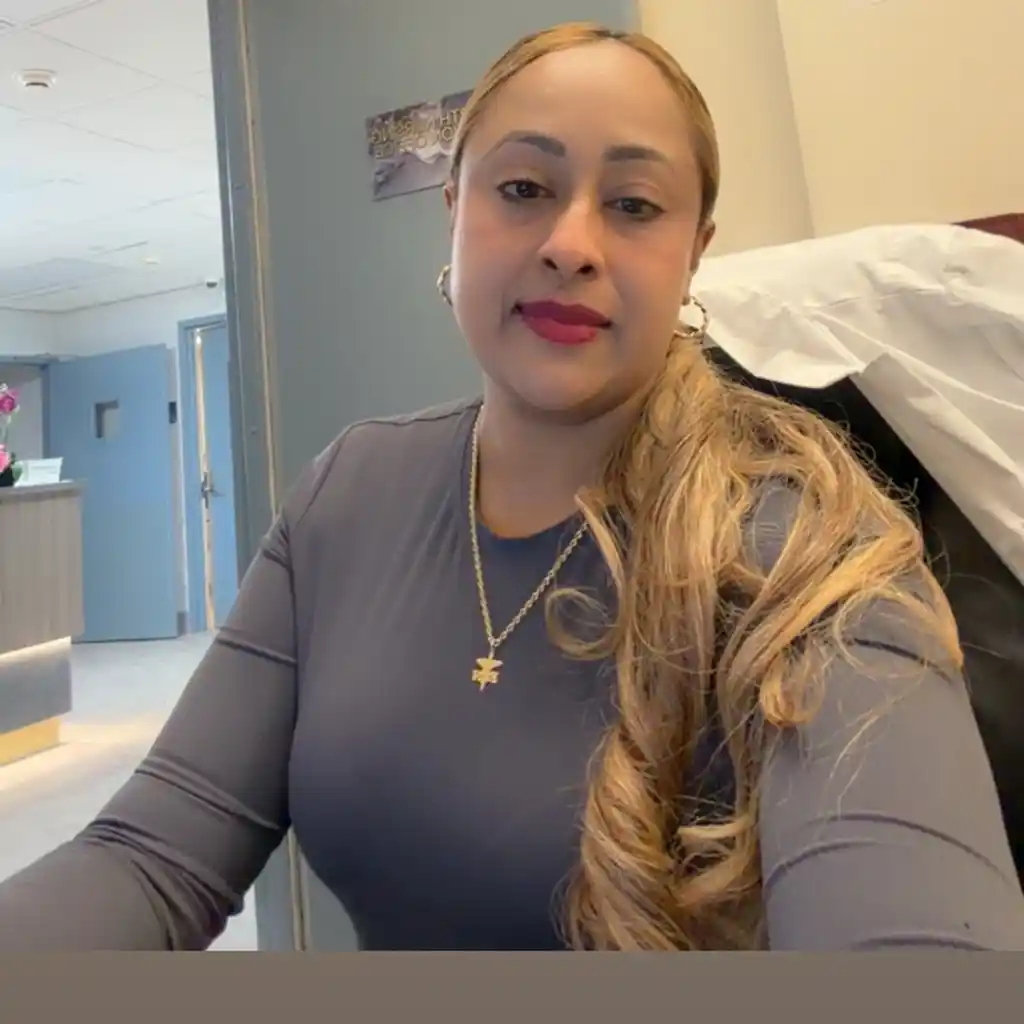 Sabine DurgaramDPS/RN