Everything You Need to Know About Being a Live-In Caregiver
If you're considering a career as a live-in caregiver or need assistance for a loved one, this guide provides the essential details. From daily responsibilities and compensation to training requirements, understanding the live-in caregiving role is key to making informed care or career decisions.
What Is a Live-In Caregiver?
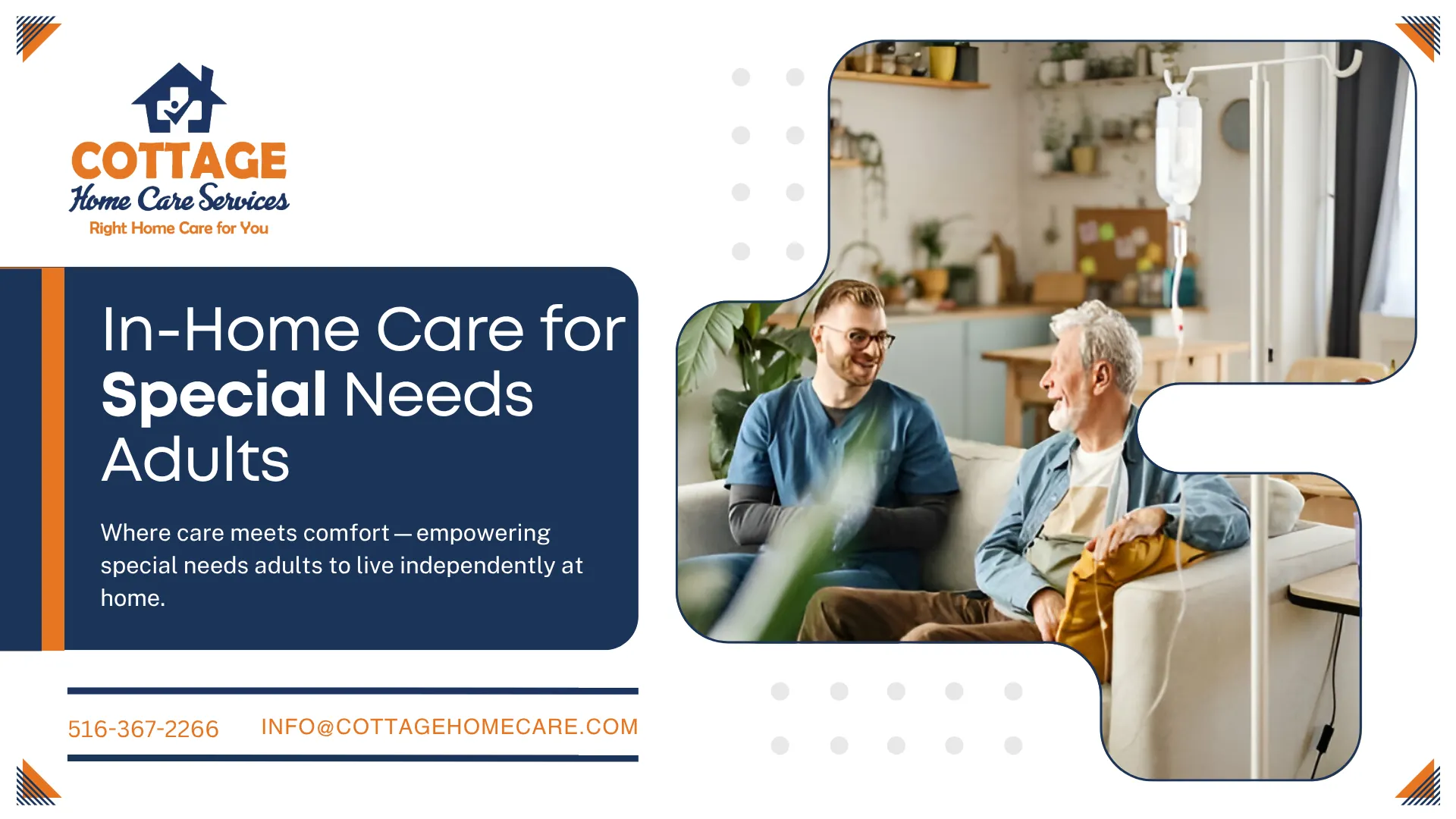
A live-in caregiver provides personal care and support to individuals within their own homes. By residing on-site, these caregivers ensure consistent daily assistance and overnight peace of mind. They support elderly individuals, patients recovering from surgery, or people with chronic illnesses or disabilities.
Unlike hourly or visiting aides, live-in caregivers reside in the home, offering continuous, dedicated care while maintaining an established care routine.
Key Responsibilities of a Live-In Caregiver
A live-in caregiver ensures that a patient's daily physical and emotional needs are met safely:
- Personal Care: Assisting with bathing, grooming, dressing, toileting, and mobility transfers.
- Medication Reminders: Ensuring prescriptions are taken on schedule and maintaining medication adherence.
- Household Support: Preparing nutritious meals, performing light housekeeping, managing laundry, and grocery shopping.
- Companionship: Engaging in conversation, encouraging recreational hobbies, and providing vital social interaction.
Benefits of Hiring a Live-In Caregiver
- Consistent, Personalized Care: Clients receive dedicated 1-on-1 attention tailored specifically to their routines and health preferences.
- Family Relief: Families gain peace of mind knowing a trained professional is managing day-to-day care, reducing family caregiver stress.
- Comfort of Home: Live-in care enables seniors to age in place safely, serving as a comfortable alternative to institutional nursing facilities.
How to Become a Live-In Caregiver
- Education & Training: A high school diploma or GED is standard. Training in CPR, First Aid, and basic patient transfer techniques enhances job readiness.
- Professional Certification: Earning credentials like Home Health Aide (HHA) certification or Certified Nursing Assistant (CNA) licensing increases career opportunities.
- Gain Experience: Practical experience in home care agencies, hospitals, or assisted living settings helps build vital caregiving skills.
- Agency Placement: Joining a licensed home care provider ensures reliable job placement, competitive pay rates (typically $18–$21 per hour for non-medical hourly care or equivalent live-in rates), and supervisory nurse support.
How to Find the Right Live-In Caregiver
- Assess Care Needs: Determine if your loved one requires basic personal care or specialized medical/memory care.
- Partner with Licensed Agencies: Select established agencies that conduct thorough background screenings, fingerprinting, and clinical supervision.
- Conduct Interviews: Discuss specific care routines, emergency protocols, and caregiver compatibility.
- Establish Clear Expectations: Finalize care plans, scheduling, and live-in accommodations in writing.
Frequently Asked Questions
What qualifications are required to be a live-in caregiver?
Most positions require a high school diploma, background check clearance, CPR/First Aid certification, and formal training as an HHA or Personal Care Aide (PCA).
How much do live-in and non-medical caregivers earn?
Non-medical caregivers typically earn $18 to $21 per hour for hourly care, while live-in caregivers earn competitive daily or annual rates depending on geographic region, care complexity, and shift structure.
Can a live-in caregiver support clients with Alzheimer’s or dementia?
Yes, many live-in caregivers receive specialized dementia and Alzheimer's care training to manage wandering, agitation, and cognitive routines safely.
Does Medicaid or private pay cover live-in care?
Coverage depends on state-specific Medicaid waivers or private insurance policies. Private pay home care options also allow full customization for 24-hour live-in coverage.


 Sabine DurgaramDPS/RN