516-367-2266info@cottagehomecare.cominfo@cottagehomecare.com
Follow Us :
  • Facebook
  • Instagram
  • LinkedIn
  • YouTube
Cottage Home Care homeCottage Home Care logo
  • Contact Us
Free Consultation

Why Cottage Homecare Agency?

Since 2019, families have trusted Cottage to raise the bar for home-based care — better health for our clients, real peace of mind for their families.

REQUEST CARE516-367-2266Find care near me
Join Our Care Community

Join Our Care Community

Receive weekly inspiration, expert health advice, and heartwarming stories from our sanctuary families.

Cottage Home Care Services

We provide personalized care. Each of our patients receives one-on-one attention and a care plan tailored to their specific needs.

Home Care

  • Companion Care
  • Personal Care
  • Specialized Care
  • Pediatric Care
  • Private Pay
  • Home Health

Company

  • Our Team
  • Blog
  • Press
  • Awards & Recognitions
  • Careers
  • Locations
  • About Us
  • Sitemap

Useful Links

  • FAQs
  • Terms & Conditions
  • Privacy Policy
  • Disclaimer
  • Contact Us
  • Our Story

Contact

516-367-2266
516-367-1067
info@cottagehomecare.cominfo@cottagehomecare.com
294 West Merrick Road, Suite 12, Freeport, NY 11520, United States (HQ)
REQUEST CARE516-367-2266
Cottage Home Care on FacebookCottage Home Care on InstagramCottage Home Care on LinkedInCottage Home Care on YouTube
Validate RSS feed[Valid RSS]
Cottage Home Care BBB Accredited Business, A+ RatingBBB Accredited Business, A+ Rating

Cottage Home Care is a fully licensed home care services agency providing trusted, high-quality care across 6+ states,
including New York,New Jersey, Michigan, Maryland, Florida, Connecticut and See all locations.

© 2026 Cottage Home Care. All Rights Reserved.

FAQs|Terms & Conditions|Privacy Policy|Disclaimer|Contact Us|Our Story

Back to blogs
3 min readBLOG

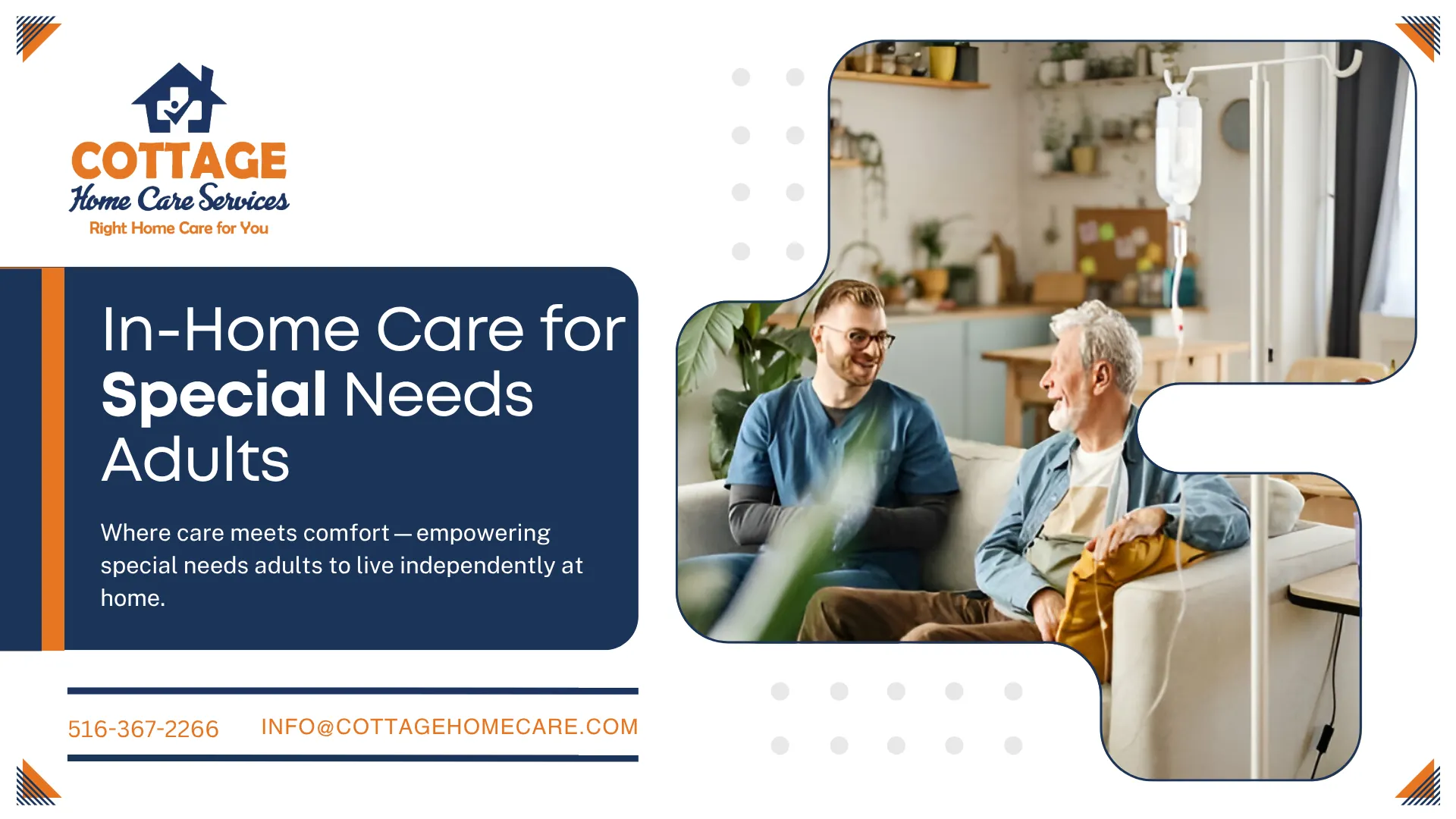
In-Home Support for Adults with Special Needs

Saleem Mannan

Written by

Saleem Mannan

Regional Vice president of Marketing and Business Development

Medically reviewed by

Sabine DurgaramSabine DurgaramDPS/RN
info-about-in-home-care-for-special-needs-adults

Providing Professional In-Home Care for Adults with Special Needs

The Importance of In-Home Care

As awareness of disabilities grows, more families are looking for ways to help a loved one with special needs stay safely at home instead of moving into a facility. There's a real reason for that preference: care delivered somewhere familiar tends to go better, because the person isn't also adjusting to a new place on top of everything else.

Good in-home care centers on independence and dignity. It works around what the individual wants, not a fixed routine imposed on them. Staying home also means keeping the daily rhythms they already know: same kitchen, same neighbors, same bedroom, while still getting the support they need.

Why Families Choose In-Home Care

In-home care flexes to fit the person, whether that's an adult with a physical disability, a developmental disability, or a long-term health condition. The aim is straightforward: help with daily life while keeping the person as independent as the situation allows.

It helps the rest of the family too. Knowing a professional, trained caregiver is looking out for a loved one takes real weight off parents and siblings, and that often changes the whole tone of a household for the better.

Main Benefits of In-Home Care

A few things consistently make staying at home the better option for adults with special needs.

1. Personalized Care

No two care plans look the same, because no two people need the same thing. Some clients need help with cooking or cleaning. Others need medication reminders or support with a specific therapy. Plans get built around what's needed, not a standard package.

2. Comfort and Familiarity

A known environment lowers stress, which matters a lot for people managing memory issues or mental health challenges. Being surrounded by their own belongings, in their own rooms, eases the anxiety that often comes with an unfamiliar facility.

3. Better Health Outcomes

One-on-one attention means a caregiver notices small changes in health early, before they become bigger problems. Regular communication with doctors and care teams supports that too, and it often means fewer hospital visits down the line.

4. Support for the Whole Family

Caregiving is genuinely hard work, and it wears people down. When a trained professional takes on the daily tasks, family members get to spend time actually being a family again instead of just managing logistics.

Professional Services at Cottage Home Care Services

At Cottage Home Care Services, our aides work directly in the home to support adults with developmental and physical disabilities, long-term health conditions, and other special needs. Depending on eligibility, that support connects to programs like OPWDD for individuals with developmental disabilities, Community First Choice (CFC), or Private Pay for families who prefer to arrange care directly.

Day to day, our services include:

  • Personal Care Assistance: Help with bathing, hair care, dressing, and general hygiene.
  • Medication Reminders and Health Monitoring: Reminders to stay on schedule with medication and close attention to any changes in health, with prompt communication to a client's doctor or nurse. Skilled treatments a doctor has ordered are coordinated with licensed nursing staff, not performed by the aide directly.
  • Companionship: Conversation and shared activities that keep someone's mind active and cut down on isolation.

Care plans get built around what the individual and family need. To learn more about how we can help, visit us at Cottage Home Care Services.

Conclusion

In-home care for adults with special needs comes down to dignity and control over one's own life. A trained caregiver in the home makes it possible to stay independent day to day, rather than handing that control over to an institution.

Finding a provider you trust changes the picture for everyone involved: more stability for the person receiving care, and less worry for the family watching from the sidelines.


Saleem Mannan

Written by

Saleem Mannan

Regional Vice president of Marketing and Business Development

Medically reviewed by

Sabine DurgaramSabine DurgaramDPS/RN

Reviewed for clinical and program accuracy by Cottage Home Care’s nursing team. Serving families across seven states since 2019 with CHAP-accredited nursing, personal care, and specialized home care.

Need Immediate Care Advice?

Our specialists are available 24/7 to help guide your family through crucial care decisions.

Explore Our Proof

Recent Insights

MD Medicaid Eligibility 2026: Income Limits & Rules

MD Medicaid Eligibility 2026: Income Limits & Rules

Sep 23, 2026

How to Get Paid as a Family Caregiver

How to Get Paid as a Family Caregiver

Sep 17, 2026

Protecting Assets from Medicaid in New York

Protecting Assets from Medicaid in New York

Sep 16, 2026

Text size

Getting Started

Private Pay Care Can Begin
in as Little as 24 Hours

Companion care covers a wide range of social, emotional, and practical support services — all delivered in the comfort of home.

  1. 1

    Call Us or Apply Online

    Reach out by phone or complete our eligibility form. A care advisor will call you within hours.

  2. 2

    Free Home Assessment

    We visit your home (or speak by phone) to understand your loved one's needs, personality, and preferences.

  3. 3

    Caregiver Matching

    We select 2–3 companion caregivers who match your loved one's interests and introduce you to your top choice.

  4. 4

    Care Begins

    Your companion caregiver starts their visits. We check in regularly to ensure everything is going well.

Frequently Asked Questions

Can companion care help a senior who lives alone and feels lonely?

Absolutely. Companion care is designed specifically for seniors who live alone and need regular social interaction, emotional support, and safe company. A trained companion caregiver visits regularly to talk, play games, go for walks, or simply be present — reducing loneliness and improving quality of life.

Is companion care right for someone with early-stage dementia?

Yes — companion care is often an ideal starting point for someone with early-stage dementia. A companion caregiver provides consistent routines, gentle engagement, and supervision that helps slow cognitive decline while keeping your loved one safe and stimulated at home.

Is companion care covered at no cost for Medicaid recipients?

In many states, companion care services are fully covered by Medicaid with no out-of-pocket cost to eligible clients. Cottage Home Care will verify your loved one's Medicaid coverage and explain exactly what is included at no cost to you.

Can companion care give family members a break from caregiving?

Yes — many families use companion care as respite care, allowing a daughter, son, or spouse to take a break from daily caregiving duties without worrying about their loved one being alone. Regular companion visits reduce caregiver burnout and give families peace of mind.

How quickly can companion care begin after I call?

Companion care can typically begin within 24–48 hours of your initial call. Cottage Home Care handles the intake process quickly so that your loved one has support as soon as possible.

Recommended Blogs

Stay ahead with our latest insights

Experienced, passionate, and deeply committed to raising the bar for home care — in New York and across the country.

why-is-home-care-important

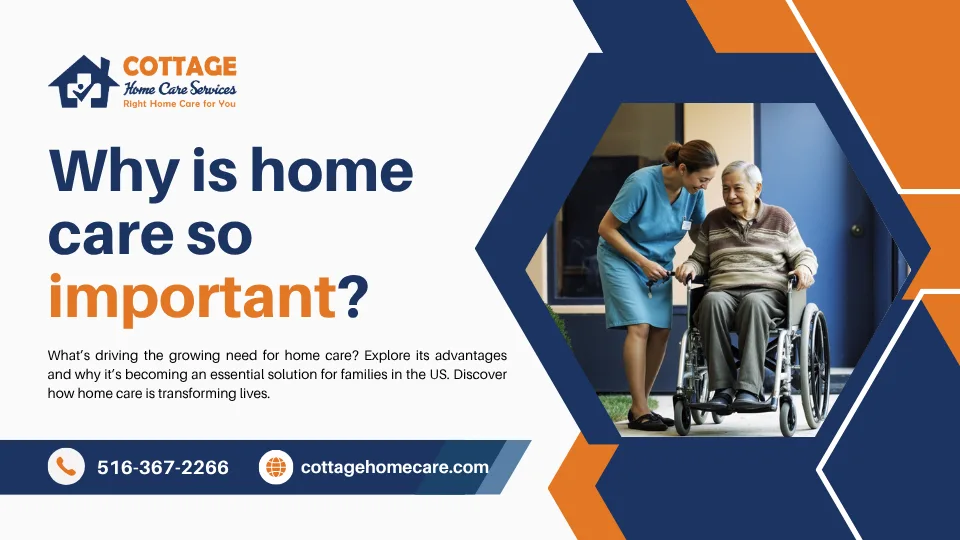
Home Care: Essential Benefits for Families to Consider

Learn why home care is important for families, including benefits like cost savings, better health outcomes, and personalized care for seniors.

Continue reading
how-home-care-helps-elderly-diabetic-patients

How Home Care Helps Elderly Diabetic Patients

Learn how home care helps elderly diabetic patients manage medications, stay healthy, and improve quality of life.

Continue reading
maryland-waiver-vs-cfc

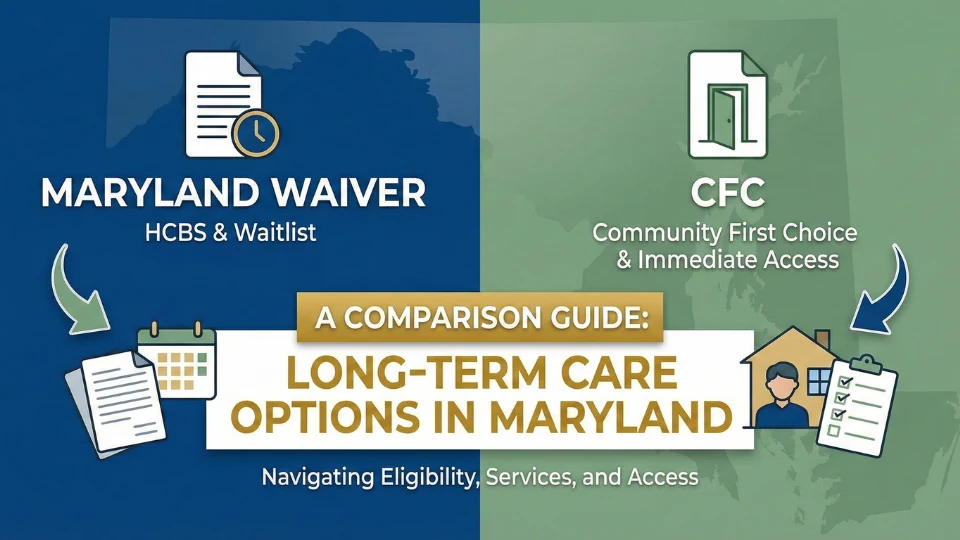
Maryland Waiver vs CFC: Which Care Option Is Right for You?

Learn the key differences between Maryland Waiver and CFC programs. Compare eligibility, services, and waiting lists to choose the best care option for you

Continue reading
why-is-home-care-important

Home Care: Essential Benefits for Families to Consider

Learn why home care is important for families, including benefits like cost savings, better health outcomes, and personalized care for seniors.

Continue reading
how-home-care-helps-elderly-diabetic-patients

How Home Care Helps Elderly Diabetic Patients

Learn how home care helps elderly diabetic patients manage medications, stay healthy, and improve quality of life.

Continue reading
maryland-waiver-vs-cfc

Maryland Waiver vs CFC: Which Care Option Is Right for You?

Learn the key differences between Maryland Waiver and CFC programs. Compare eligibility, services, and waiting lists to choose the best care option for you

Continue reading
why-is-home-care-important

Home Care: Essential Benefits for Families to Consider

Learn why home care is important for families, including benefits like cost savings, better health outcomes, and personalized care for seniors.

Continue reading
how-home-care-helps-elderly-diabetic-patients

How Home Care Helps Elderly Diabetic Patients

Learn how home care helps elderly diabetic patients manage medications, stay healthy, and improve quality of life.

Continue reading
maryland-waiver-vs-cfc

Maryland Waiver vs CFC: Which Care Option Is Right for You?

Learn the key differences between Maryland Waiver and CFC programs. Compare eligibility, services, and waiting lists to choose the best care option for you

Continue reading
why-is-home-care-important

Home Care: Essential Benefits for Families to Consider

Learn why home care is important for families, including benefits like cost savings, better health outcomes, and personalized care for seniors.

Continue reading
how-home-care-helps-elderly-diabetic-patients

How Home Care Helps Elderly Diabetic Patients

Learn how home care helps elderly diabetic patients manage medications, stay healthy, and improve quality of life.

Continue reading
maryland-waiver-vs-cfc

Maryland Waiver vs CFC: Which Care Option Is Right for You?

Learn the key differences between Maryland Waiver and CFC programs. Compare eligibility, services, and waiting lists to choose the best care option for you

Continue reading
why-is-home-care-important

Home Care: Essential Benefits for Families to Consider

Learn why home care is important for families, including benefits like cost savings, better health outcomes, and personalized care for seniors.

Continue reading
how-home-care-helps-elderly-diabetic-patients

How Home Care Helps Elderly Diabetic Patients

Learn how home care helps elderly diabetic patients manage medications, stay healthy, and improve quality of life.

Continue reading
maryland-waiver-vs-cfc

Maryland Waiver vs CFC: Which Care Option Is Right for You?

Learn the key differences between Maryland Waiver and CFC programs. Compare eligibility, services, and waiting lists to choose the best care option for you

Continue reading
why-is-home-care-important

Home Care: Essential Benefits for Families to Consider

Learn why home care is important for families, including benefits like cost savings, better health outcomes, and personalized care for seniors.

Continue reading
how-home-care-helps-elderly-diabetic-patients

How Home Care Helps Elderly Diabetic Patients

Learn how home care helps elderly diabetic patients manage medications, stay healthy, and improve quality of life.

Continue reading
maryland-waiver-vs-cfc

Maryland Waiver vs CFC: Which Care Option Is Right for You?

Learn the key differences between Maryland Waiver and CFC programs. Compare eligibility, services, and waiting lists to choose the best care option for you

Continue reading