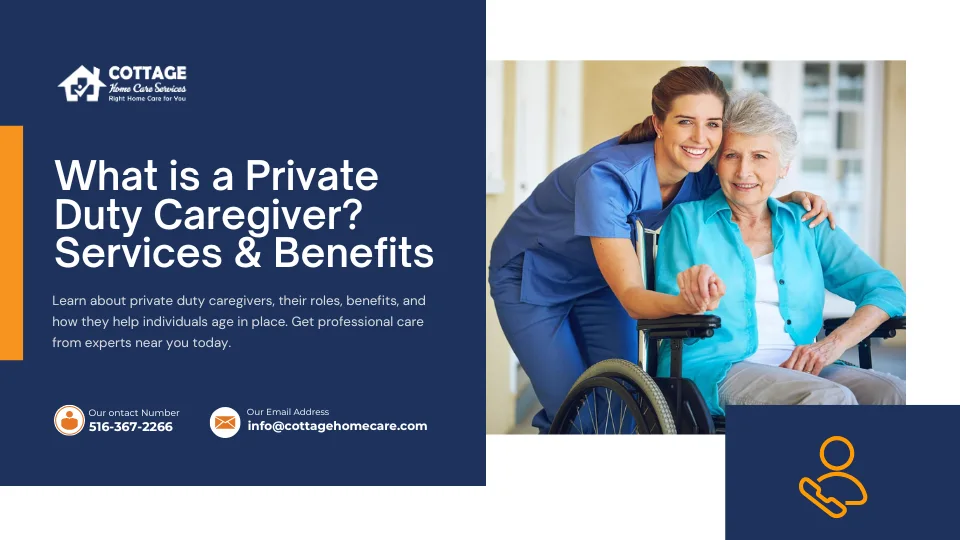
What is a Private Duty Caregiver? Roles, Responsibilities, and Benefits
At Cottage Home Care Services, we understand that choosing the right type of care for your loved one can be overwhelming. If you’re asking, "What is a private duty caregiver?", you're in the right place. A private duty caregiver is a dedicated professional who provides non-medical assistance to individuals in their homes. This service allows people to live independently, while still receiving the support they need with daily activities. Whether it's personal care, companionship, or help with household tasks, a private duty caregiver offers personalized services that cater to the unique needs of each client.
In this article, we will go into detail about the roles and responsibilities of private duty caregivers, their qualifications, and the many benefits of hiring one to support your loved one. Cottage Home Care Services is committed to providing high-quality care, ensuring that your loved one remains safe, comfortable, and independent in their own home.
What is a Private Duty Caregiver?
A private duty caregiver provides non-medical care and assistance to individuals in the comfort of their homes. This type of caregiver helps with everyday activities such as personal hygiene, meal preparation, light housekeeping, companionship, and more. Unlike home health aides, who are trained in medical care, private duty caregivers focus on personal care and companionship, providing essential support to seniors, individuals with disabilities, and those recovering from surgery.
At Cottage Home Care Services, we tailor our caregiving services to meet the individual needs of our clients. We believe in empowering our clients by giving them the freedom to remain in their homes, surrounded by familiar environments while receiving the care they deserve.
Key Roles and Responsibilities of a Private Duty Caregiver
Private duty caregivers are responsible for a wide range of tasks that allow individuals to maintain a high quality of life while living at home. These responsibilities typically include:
1. Personal Care (Bathing, Dressing, Grooming)
A primary duty of private duty caregivers is helping with personal care. This includes tasks such as:
- Bathing and showering: Assisting clients with personal hygiene routines, ensuring they maintain cleanliness and dignity.
- Dressing: Helping with the process of getting dressed, including selecting appropriate clothing.
- Grooming: Assisting with hair care, shaving, and oral hygiene.
2. Assistance with Daily Living Activities (Meal Preparation, Housekeeping)
Private duty caregivers also help with activities of daily living (ADLs), which are essential for maintaining independence. Some common duties include:
- Meal preparation: Preparing balanced and nutritious meals based on the client’s dietary preferences or medical needs.
- Housekeeping: Performing light cleaning tasks such as vacuuming, dusting, laundry, and making the bed.
- Errands and transportation: Helping with shopping, picking up prescriptions, and providing transportation to appointments.
3. Companionship and Emotional Support
Companionship is an essential part of caregiving. A private duty caregiver offers emotional support, engages in social activities, and provides conversation. This helps combat loneliness and ensures that the client’s emotional well-being is maintained. Some key aspects include:
- Social interaction: Playing games, reading, or engaging in meaningful conversation.
- Companionship: Participating in activities that bring joy, such as walking, watching television, or pursuing hobbies.
4. Medication Management and Reminders
Though private duty caregivers are not licensed to administer medications, they can assist in:
- Medication reminders: Ensuring that the client takes their medication on time and as prescribed by their healthcare provider.
- Monitoring adherence: Helping clients manage their medication schedules and tracking refills.
Skills and Qualifications for a Private Duty Caregiver
The best private duty caregivers possess a unique set of skills and qualifications to ensure they deliver quality care.
Essential Skills
To be effective, private duty caregivers must possess the following traits:
- Compassion: A genuine desire to help others is the foundation of caregiving.
- Patience: Caregivers must have the patience to handle the challenges of assisting individuals with limited mobility, cognitive impairments, or physical disabilities.
- Communication: Strong communication skills are crucial for understanding the needs of clients and effectively relaying concerns to family members and healthcare providers.
- Reliability: Clients and families must be able to depend on caregivers to show up on time and provide consistent care.
Required Qualifications
To ensure the highest level of care, many private duty caregivers hold certifications like:
- Home Health Aide (HHA) certification: Often required for caregivers who assist with non-medical tasks.
- Certified Nursing Assistant (CNA) certification: Some private duty caregivers may hold this more advanced certification, which involves additional medical training.
- CPR and First Aid Certification: Caregivers must be prepared for emergencies and be trained in basic life-saving techniques.
Background Checks and Screening
At Cottage Home Care Services, all our caregivers undergo rigorous background checks and thorough screening processes to ensure the safety of our clients. This includes checking for criminal records, previous work experience, and ensuring a history of reliability and professionalism.
Benefits of Hiring a Private Duty Caregiver
Choosing a private duty caregiver provides numerous benefits for both the client and their family members.
1. Personalized One-on-One Care
Private duty caregivers focus exclusively on the individual, offering tailored care that caters to their unique needs. This ensures that clients receive attention and support when they need it the most.
2. Flexibility in Scheduling
Private duty caregivers provide flexibility that institutional care cannot offer. Whether your loved one needs care during the day, at night, or on a part-time basis, caregivers can adjust their schedules to meet the family’s needs.
3. Comfort of Aging in Place
Aging in place allows seniors to remain in a familiar environment, surrounded by the comfort of their own home. Cottage Home Care Services ensures that clients have the support they need to maintain their independence while staying in their home.
4. Reduces Family Caregiver Stress
Family members often find themselves overwhelmed with caregiving duties. Hiring a private duty caregiver can alleviate some of this stress and allow family caregivers to take time for themselves.
5. Ensures Safety and Dignity
Caregivers ensure that clients remain safe in their own homes, preventing falls, injuries, and accidents. At the same time, caregivers provide care with respect, ensuring the dignity of clients is maintained.
Private Duty Caregiver vs. Home Health Aide: Key Differences
There is often confusion between private duty caregivers and home health aides. Here’s a breakdown of the differences:
- Private Duty Caregiver: Provides non-medical assistance with personal care, daily living activities, companionship, and emotional support.
- Home Health Aide: Provides medical care under the direction of a healthcare provider, such as administering medications, taking vital signs, and providing physical therapy.
Key Differences:
- Training and Certification: Home health aides often require more specialized medical training, while private duty caregivers focus on personal care and companionship.
- Services Provided: Home health aides provide healthcare services like medication administration, while private duty caregivers focus on day-to-day living activities and emotional support.
How to Find a Qualified Private Duty Caregiver
Finding a qualified private duty caregiver involves several steps:
1. Research Caregivers
Start by researching caregiving agencies like Cottage Home Care Services to ensure that caregivers are fully vetted and trained. Look for online resources, referrals, and reviews.
2. Consider Experience and Location
Ensure that the caregiver has experience with the specific needs of your loved one, whether they require dementia care, mobility assistance, or other specialized services.
3. Check References and Reviews
Always check references and read reviews from previous clients to ensure the caregiver has a proven track record of providing compassionate, high-quality care.
FAQ
Q1: What is the difference between a private duty caregiver and a nurse?
A private duty caregiver provides non-medical care, such as help with daily living activities, companionship, and meal preparation. A nurse provides medical care, such as administering medications and monitoring health conditions.
Q2: How do I find a good private duty caregiver?
Start by researching reputable caregiving agencies, reading reviews, and checking references. Agencies like Cottage Home Care Services provide qualified caregivers who are carefully screened and trained.
Q3: What services does a private duty caregiver provide?
Private duty caregivers provide personal care (bathing, dressing, grooming), companionship, meal preparation, light housekeeping, and medication reminders.
Q4: Is private duty caregiving covered by insurance?
Some private duty caregiving services may be covered by long-term care insurance or Medicaid, depending on the policy. Check with your insurance provider for details.
Conclusion: Hire a Private Duty Caregiver through Cottage Home Care Services
Choosing a private duty caregiver for your loved one is an important decision. At Cottage Home Care Services, we provide the highest quality care, ensuring your loved one receives the attention they deserve in the comfort of their own home. Our caregivers are compassionate, professional, and thoroughly screened to meet your needs.
For more information or to hire a caregiver, contact Cottage Home Care Services today:
- Phone: 516-367-2266
- Email: info@cottagehomecare.com
- Website: www.cottagehomecare.com