
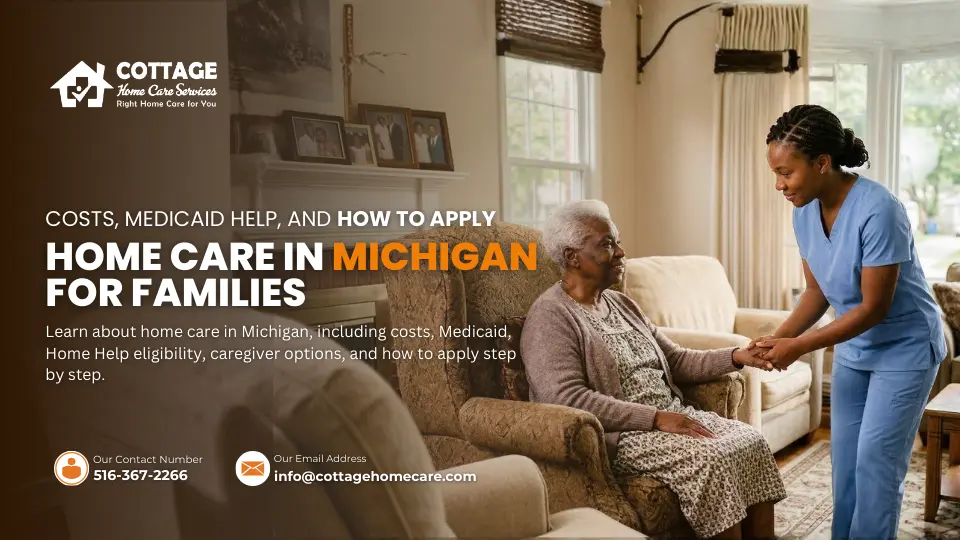
Home Care in Michigan: Costs, Medicaid Help, Trusted Providers, and the Step-by-Step Home Help Application Guide
Caring for a loved one at home can be a kind and loving choice. It can also feel hard, tiring, and confusing. Many families in Michigan want a parent, grandparent, spouse, or disabled relative to stay at home. Home feels safe. Home feels familiar. Home holds memories. But families still have big questions.
How much does home care cost in Michigan?
Does Medicaid pay for it?
Can a family member get paid to help?
How do you apply for Michigan Home Help services?
How do you find a caregiver you can trust?
If you are asking these questions, you are not alone.
Many people search for home care in Michigan because they need help now or want to plan ahead before a crisis happens. Some families are dealing with aging. Some are facing disability. Some are helping a loved one with dementia. Others are trying to balance work, children, bills, and caregiving all at once.
That is a lot to carry.
The good news is that there are real options. Michigan families may be able to use private pay care, Medicaid programs, family caregiver options, and support from trusted home care agencies. When you understand the basics, the process becomes less scary.
This guide explains home care in simple English. It is made to help families learn, compare options, and take the next step with more confidence.
In this article, you will learn:
- what home care in Michigan includes
- who may qualify for home care
- how much care may cost
- what Medicare and Medicaid may or may not cover
- the difference between home care agencies and independent caregivers
- the step-by-step process for applying for Michigan Home Help
- how to find trusted caregivers
- how to deal with common problems like waitlists, denials, or a parent refusing help
- why many families look for experienced providers such as Cottage Home Care Services
What Home Care in Michigan Includes
When people hear the words home care, they often think of a nurse coming to the house. Sometimes that does happen. But home care is broader than that.
Home care simply means support that helps a person live safely and comfortably at home.
That support may be non-medical, medical, short-term, or long-term. The type of care depends on what the person needs.
Non-Medical Home Care
Non-medical home care helps with daily living tasks. These are the everyday things many people do without thinking. But with age, illness, disability, or memory problems, these tasks can become hard.
Non-medical home care may include help with:
- bathing
- dressing
- grooming
- meal preparation
- laundry
- light housekeeping
- shopping
- medication reminders
- mobility in the home
- companionship
Many older adults do not need a nurse. They need someone to help them stay safe, clean, fed, and supported. A caregiver may come for a few hours in the morning, help with bathing and breakfast, and return later to help with lunch or dinner.
Does that sound like what your loved one needs? For many families, this is the starting point.
Skilled Home Health Care
Some people need medical help at home. That is usually called home health care or skilled care.
This type of help may include:
- wound care
- physical therapy
- IV support
- nursing care
- monitoring health conditions
- medication management
Families sometimes search for home health care michigan, home iv care michigan, or home-based primary care michigan when they need more medical support in the home.
Not every home care provider offers these services, so it is important to ask.
Why Families Choose Home Care
Why do so many families prefer home care over a facility?
The answer is often simple. People usually want to stay in their own home. They know the space. They know the people. They know the routine. That can make life feel calmer and more dignified.
Home care may also offer:
- more comfort
- one-on-one attention
- flexible scheduling
- lower cost than some facilities
- less disruption to daily life
- support for the whole family
Think about it this way. If your parent can still enjoy their own chair, own bed, own kitchen, and own neighborhood, would that help them feel more like themselves? For many people, the answer is yes.
Non-Medical Home Care vs. Skilled Home Health Care
Families often confuse these two types of care, so it helps to make the difference very clear.
Non-medical home care helps with daily tasks and safety.
Skilled home health care helps with medical needs and is usually provided by licensed professionals.
Here is a simple way to think about it:
If your loved one needs help bathing, dressing, cooking, or getting around safely, that is often non-medical home care.
If your loved one needs wound treatment, injections, IV support, or nursing care, that may be skilled home health care.
Some families need both.
Who Is Eligible for Home Care in Michigan?
Many people think home care is only for seniors. That is not true.
Home care in Michigan can help many different people.
Seniors Who Need Help With Daily Life
Older adults are the largest group using home care. As people age, they may have trouble with balance, strength, memory, or daily tasks. A caregiver can help them stay safe without forcing them to leave home.
Adults With Disabilities
Adults living with physical or cognitive disabilities may also need home care. Some need help getting dressed. Others need help with transfers, meals, medication, or movement around the home.
People Recovering From Illness or Surgery
After surgery, injury, or hospital stays, some people need temporary help at home. A caregiver can reduce stress during recovery and lower the chance of another emergency.
People With Alzheimer’s or Dementia
Memory conditions can make daily life much harder. A person may forget to eat, take medication twice, leave the stove on, or wander. In-home support can help reduce these risks and keep routines steady.
Families Trying to Avoid Facility Care
Some families use home care because they want to delay or avoid moving a loved one into assisted living or a nursing home. That can be a practical and emotional goal.
So who is eligible for home care in Michigan? In general, anyone who needs help living safely at home may benefit. For state-funded or Medicaid-funded care, the rules are more specific.
How Much Does Home Care Cost in Michigan?
Cost is one of the first questions people ask. That makes sense. Home care is not only a health choice. It is also a financial decision.
The price of home care in Michigan depends on several things:
- how many hours of help are needed
- whether care is medical or non-medical
- whether the person needs special support, like dementia care
- where in Michigan the person lives
- whether the family hires an agency or an independent caregiver
Common Cost Setups
Families may pay for care in different ways:
- a few hours a week
- daily part-time care
- full-day care
- overnight care
- live-in support
A person who needs help with breakfast, bathing, and medication may need only a few hours a day. A person with mobility problems or memory loss may need much more.
Why Costs Vary
A caregiver helping with simple daily tasks will usually cost less than a licensed nurse providing clinical care. A family in a large city may also see different pricing than a family in a smaller county.
That is why it is smart to ask providers for a clear breakdown.
How Families Reduce the Cost of Home Care in Michigan
Many families worry that home care will be too expensive. But there may be ways to lower the cost.
Some common ways include:
- Medicaid programs
- state assistance
- long-term care insurance
- family caregiver payment options
- flexible schedules
- starting with part-time care
This is one reason many people search for how they can reduce the cost of home care in Michigan. The answer often begins with learning what support programs are available and what level of care is really needed.
Does Medicare Cover Home Care in Michigan?
This is one of the most misunderstood topics.
Many families assume Medicare pays for long-term home care. Usually, it does not.
Medicare may cover short-term medical home health services in certain situations. For example, a person may qualify for nursing visits or therapy after surgery or illness.
But Medicare usually does not cover long-term non-medical personal care such as:
- bathing help
- dressing help
- meal preparation
- routine companion care
- housekeeping support
This is where many families feel disappointed. They think help will be covered, and then they find out it is not.
Medicare and Insurance Rejection
Families often run into what feels like Medicare and insurance rejection because the service they need is not the same as the service insurance covers.
Insurance may say yes to short-term medical care but no to long-term daily support.
That is painful when the need is real.
When Long-Term Care Insurance Says No
Some families also face denial from long-term care insurance.
Common reasons include:
- missing paperwork
- wrong service type
- policy limits
- waiting period rules
- weak doctor documentation
- late claim filing
If a long-term care insurance claim is denied, families should not panic. Instead, they should:
- ask for the denial reason in writing
- review the policy carefully
- gather stronger medical documents
- correct missing information
- ask whether the claim can be reviewed again
This step-by-step approach can prevent families from giving up too soon.
Medicaid and State Programs for Home Care in Michigan
For many families, Medicaid is where home care becomes possible.
Michigan has programs that help eligible people receive care at home instead of moving into a facility. One of the most important programs is the Michigan Home Help Program.
What Is the Michigan Home Help Program?
The Home Help Program is designed to support people who want to live at home but need help with daily activities. It is tied to Michigan Medicaid and is managed through the Michigan Department of Health and Human Services, often called MDHHS.
This program may help pay for support with:
- eating
- bathing
- dressing
- grooming
- moving around the home
- transferring from one position to another
- using the toilet
If a person qualifies for one of those activities, they may also receive help with:
- medication setup or assistance
- laundry
- light housework
- meal preparation
- shopping for essential items
Can Medicaid Cover Home Care in Michigan?
In many cases, yes. But the person must meet the program’s requirements.
That is why families often ask if Medicaid covers home care in Michigan. The simple answer is yes, sometimes. But the full answer depends on:
- Medicaid eligibility
- medical or functional need
- proper forms
- state review
- local assessment
Medicaid and State Assistance Rejection
Applications are sometimes denied or delayed. That does not always mean the person does not qualify. It may simply mean something was missing.
Common causes of Medicaid and state assistance rejection include:
- incomplete forms
- missing proof of Medicaid
- weak medical documentation
- not enough evidence of daily care needs
- missing signatures
- delays in providing follow-up paperwork
This is why good preparation matters.
The Step-by-Step Process of Michigan Home Help Application
This is one of the most important parts of the article. Many families need the full process explained in plain language.
The good news is that the Home Help process becomes much easier when broken into steps.
Step 1: Confirm Michigan Residency and Medicaid Status
The first step is to make sure the person needing care is a Michigan resident and has Medicaid or may qualify for it.
If the person does not yet have Medicaid, that may need to be addressed first.
Step 2: Understand the Basic Eligibility Standard
The person usually must need help with at least one daily living activity. This may include bathing, eating, dressing, transferring, mobility, grooming, or using the toilet.
In short, the person must show that they cannot safely manage all of daily life alone.
Step 3: Gather Important Documents
Before applying, gather the key records and paperwork.
Common documents may include:
- photo ID
- proof of Michigan address
- Medicaid information
- income information
- medical records
- doctor notes
- contact details
- caregiver or provider information if available
Being organized at this stage can save a lot of time later.
Step 4: Get Medical Proof of Need
Medical documentation is very important. A doctor or approved medical provider may need to show why the person needs home care.
This may include:
- diagnoses
- mobility limits
- physical weakness
- memory issues
- daily task limitations
A weak medical note can slow down the case. A clear and detailed note can make the process smoother.
Step 5: Complete the Application Forms
Application forms must be filled out carefully. Families should not rush this part.
One of the biggest reasons applications get delayed is simple paperwork mistakes.
Step 6: Submit the Forms to the Correct Local Office
The application usually goes to the local MDHHS office serving the person’s county.
This matters because Michigan is large, and county offices play a key role in processing.
Families should make sure they are sending paperwork to the right place.
Step 7: Prepare for the In-Home Assessment
After the application is received, a caseworker may contact the family to schedule a home visit.
This visit matters a lot.
During the in-home assessment, the worker may review:
- how the person moves
- what tasks they can or cannot do
- what support is needed each day
- the living environment
- safety concerns
The best advice here is simple: be honest and specific.
If a person has good days and bad days, talk about the bad days too. The state needs a clear picture of real daily life.
Step 8: Wait for Review and Follow-Up
Once the visit is complete, the case is reviewed.
The answer varies. It may take several weeks. It may take longer if documents are missing or if the case is more complex.
The approval timeline is not always fast, so patience and follow-up matter.
Step 9: Caregiver Setup and Service Start
If approved, the person may move forward with caregiver setup. Depending on the situation, that caregiver may be:
- a family member
- a friend
- a neighbor
- an approved provider
- a home care agency
This is where services begin to take shape.
Step 10: Address Delays or Denials If Needed
If the case is denied or delayed, do not stop there.
Families should:
- read the notice carefully
- find the exact reason
- fix missing items
- ask questions
- resubmit or appeal when allowed
A denial is sometimes a paperwork issue, not a final answer.
Common Mistakes When Applying for Michigan Home Care
Families often make the same mistakes, especially when they are stressed.
These mistakes include:
- submitting incomplete forms
- missing signatures
- weak doctor documentation
- forgetting proof of Medicaid
- not gathering documents early
- failing to prepare for the home visit
- waiting too long to ask for help
These problems are common. The good news is that they are often avoidable.
Can Family Members Get Paid to Be Caregivers in Michigan?
This is one of the biggest questions Michigan families ask.
If a daughter is already helping her mother every day, can she get paid?
If a grandson is already doing meals, bathing help, and shopping, can he become a caregiver?
If a friend is the person giving the most help, can that support count?
In many cases, the answer may be yes.
Why This Matters
Family caregivers already do a lot. They cook, clean, lift, drive, remind, organize, and comfort. Many reduce work hours or leave jobs to help a loved one.
That creates emotional strain and money strain.
A program that allows family caregiving to be paid can make a huge difference.
Who May Qualify as a Paid Caregiver?
Program rules matter, and families should always confirm current requirements. But in many cases, possible caregivers may include:
- adult children
- relatives
- friends
- neighbors
- trusted adults
There are often limits. For example, a spouse may not qualify in some programs. A parent caring for a minor child may also face limits.
What Families Should Know
Even if a family member may be allowed, the process still requires:
- Medicaid eligibility
- approval for the person receiving care
- proper caregiver setup
- sometimes enrollment steps for payment
This is not a casual arrangement. It is a formal process.
Home Care Agencies vs. Independent Caregivers in Michigan
Another big question families ask is this:
Should we hire an independent caregiver or use a home care agency?
Both choices have pros and cons.
Independent Caregivers
Some families prefer direct hiring. The benefits may include:
- more direct control
- possible lower cost
- flexible personal arrangement
But there are also risks.
The family may need to handle:
- screening
- background checks
- payroll
- taxes
- scheduling
- replacements
- supervision
If the caregiver stops coming, the family may have no backup.
Home Care Agencies
Agencies usually offer more structure.
Benefits often include:
- caregiver screening
- background checks
- training
- scheduling support
- backup staff
- clearer oversight
- more formal communication
For many families, agency care brings peace of mind.
Which Is Better?
That depends on the family.
A person with simple needs and a trusted family contact may do well with a direct caregiver path. A person with changing needs, safety risks, or no family backup may be better served through an agency.
How Do I Find Trusted Home Care Providers in Michigan?
Choosing a caregiver is a serious decision. You are not buying a product. You are trusting someone with a person you love.
That is why families should move step by step.
Start With the Real Daily Needs
Write down what the person actually needs help with.
For example:
- bathing
- dressing
- getting out of bed
- walking safely
- cooking
- memory reminders
- toilet use
- supervision
- transportation
- companionship
This list helps you compare providers the right way.
Ask Better Questions
Do not only ask, “What is the hourly rate?”
Also ask:
- How do you screen caregivers?
- Do you run background checks?
- What training do caregivers receive?
- Do you handle dementia care?
- Can the schedule change if our needs change?
- What happens if the caregiver calls out?
- Do you serve my county?
- How quickly can help start?
These questions reveal a lot.
Compare More Than One Provider
Families may come across provider names such as assisting hands home care michigan, optimal home care michigan, residential home care michigan, elara home care michigan, custom home care michigan, marks home care michigan, amazing home care michigan, university home care michigan, amber home care michigan, homestead home care michigan, or home instead senior care michigan.
The key is not only to recognize names. The real question is this:
Which provider best fits your loved one’s needs, your schedule, your county, and your comfort level?
Look for Trust Signals
Helpful trust signs include:
- years in business
- reviews
- testimonials
- videos
- clear contact details
- family-friendly communication
- service area transparency
Would you rather call a provider that feels vague and rushed or one that feels patient and clear? Most people want clarity.
How Do I Compare Home Care Agencies in Michigan?
Here are the main things families should compare.
Experience
How long has the agency been helping families? Long experience may suggest strong systems and more confidence in handling complex situations.
Flexibility
Can the provider offer:
- short visits
- part-time care
- full-time care
- overnight help
- changing schedules
- emergency support
Caregiver Quality
Ask how caregivers are chosen and supported.
Service Area
A provider is not useful if they do not serve your county.
Communication
Families need to know who to call and how quickly help is available when plans change.
How to Vet and Hire the Right Caregiver
Even after choosing a provider, families still want the right caregiver match.
That makes sense. Caregiving is personal.
Look for the Human Side
The caregiver should not only have skills. They should also be:
- kind
- patient
- respectful
- calm
- dependable
Watch the First Visits
Notice:
- do they arrive on time
- do they speak kindly
- do they listen
- do they follow the care plan
- do they help the person feel safe
Set Clear Expectations
Families should be clear about:
- tasks
- schedule
- privacy
- emergency contacts
- home routines
This prevents stress later.
Home Care for Specific Needs
Not every person needs the same type of help.
Dementia and Alzheimer’s Home Care in Michigan
A person with memory loss may need:
- supervision
- routine support
- gentle reminders
- personal care
- meal support
- calm communication
- safety checks
Consistency matters. The same caregiver and routine can reduce confusion.
Disability Home Care in Michigan
Adults with disabilities may need help with:
- dressing
- transfers
- eating
- mobility
- medication routines
- transportation
Families often ask if there are programs for disability home care in Michigan. In many cases, yes, especially when Medicaid and Home Help rules are met.
Other Specialized Services
Some families search for:
- home health care michigan city
- home health care michigan city indiana
- home help care michigan
- home pet hospice care michigan
Not every search term fits every family, but these phrases show how wide the home care space can be. Always ask what the provider truly offers and what is handled through outside medical partners.
What Safety Measures Should Seniors Take at Home in Michigan?
Safety is a major reason families seek home care.
A person may still want independence, but what if they fall? What if they miss medication? What if bad weather causes a power outage?
Basic Home Safety Tips
Check for:
- loose rugs
- cluttered floors
- poor lighting
- slippery bathrooms
- hard-to-reach items
- stairs without hand support
Small changes can prevent serious falls.
Bathroom Safety
Bathrooms are high-risk areas. Helpful tools include:
- grab bars
- shower chairs
- raised toilet seats
- non-slip mats
Medication Safety
Medication mistakes are common. Helpful tools include:
- pill boxes
- medication lists
- caregiver reminders
- alarms or apps
Emergency Preparedness Steps for Seniors at Home in Michigan
Michigan weather can be rough. Families should prepare for:
- snowstorms
- power outages
- cold weather
- road problems
Have ready:
- extra medication
- flashlights
- batteries
- blankets
- emergency contacts
- backup food and water
Would your loved one be ready if the power went out tonight? If not, it is a good time to prepare.
What Technology or Devices Help With Home Care in Michigan?
Technology cannot replace good caregiving, but it can help.
Useful tools may include:
- fall alert buttons
- medication reminders
- motion sensors
- video doorbells
- GPS tools
- simple phones
- telehealth devices
How Do Telehealth Services Work for Home Care?
Telehealth lets people speak with medical providers from home by phone, tablet, or computer.
That can help with:
- follow-up visits
- medication review
- basic medical questions
- reduced travel stress
For people with limited mobility, this can be very useful.
The Caregiver Shortage: What Families Need to Know
Many families do not expect this problem until they hear it themselves.
You call for help and the agency says there is no staff available in your area or your schedule is too hard to fill.
That can feel discouraging.
When Agencies Say No
A provider may say no because:
- they do not serve that county
- they have a waitlist
- they do not have staff for the needed hours
- they cannot meet special care needs right away
What Families Can Do
Try these steps:
- call more than one provider
- ask about flexible schedules
- ask about part-time starts
- keep all documents ready
- ask whether a family caregiver path is possible
- ask when staffing may open up
A no from one provider is not always the end.
What to Do When an Elderly Parent Refuses Help
This is one of the hardest parts of caregiving.
A parent clearly needs help, but they say no.
Why does this happen?
Common Reasons a Loved One Says No
They may feel:
- proud
- afraid
- embarrassed
- worried about cost
- afraid of losing control
- nervous about strangers
How Families Can Respond
Start gently.
Try saying:
- “I want to make life easier for you.”
- “This could help you stay at home longer.”
- “Let’s try a little help first.”
- “You are still in charge.”
This keeps the focus on independence, not weakness.
Start Small
Instead of full-time care, try:
- a few hours a week
- meal help
- light cleaning
- companionship
- transportation help
A small start may feel less threatening.
The Loved One Says No: Dealing With Patient Rejection
Patient rejection is real. It is emotional. Families should not take it personally right away. Often the refusal is about fear, not logic.
Over time, with trust and small steps, many people become more open to support.
What Are Common Mistakes Families Make?
Some common mistakes include:
- waiting until there is a crisis
- choosing only by price
- assuming Medicare covers long-term care
- not asking about backup caregivers
- not organizing documents
- ignoring safety risks
- pushing too hard when a parent is resistant
A reason of rejection home problem is rarely just one issue. It may involve paperwork, denial, family stress, provider shortages, or poor timing.
How to Hire a Home Caregiver in Detroit, Grand Rapids, or Lansing
Families often search by city, asking things like:
How do I hire a home caregiver in Detroit?
What about Grand Rapids?
What about Lansing?
The steps are usually the same:
- identify daily needs
- decide between agency or direct hire
- ask about county and city coverage
- compare schedules
- ask about Medicaid or private pay
- check trust signals
- start with a clear plan
Local service area matters. A provider may be great but not serve the needed city or county.
Why Many Families Choose a Home Care Agency
By now, it is clear that home care is not just about hiring someone to show up. It often involves:
- paperwork
- planning
- changing care needs
- family communication
- safety concerns
- payment questions
- backup staffing
That is why many families choose an agency. A good agency can reduce stress and help families feel supported.
Why Cottage Home Care Services Stands Out
When families search for home care in Michigan, they want a provider they can trust. They want experience, kindness, flexibility, and clear help.
That is where Cottage Home Care Services can stand out.
Serving Families Since 1992
Cottage Home Care Services has been helping families since 1992.
That kind of history matters. A provider that has been around for decades has likely seen many caregiving situations and built systems to support families through them. Families who want to learn more about the company’s growth and long-term care vision can explore stories published by
Guyana Chronicle,
Caribbean Life,
Newsroom Guyana,
Kaieteur News, and
ShallyApps.
Friendly Support
Families often feel nervous when they first ask for care. A friendly tone matters. People do not want to feel judged. They want clear answers and calm support.
If you want to hear directly from people who have experienced the company’s care approach, you can review the
Cottage Home Care Services testimonial videos.
Flexible Time and Extra Free Hours Service
Life changes fast. Some weeks need more help. Some days need less. Families often need providers who understand that real life is not fixed.
Cottage Home Care Services offers:
- flexible time
- extra free hours service
That can make a real difference for families trying to manage care wisely.
Broad Michigan County Coverage
Cottage Home Care Services serves many counties across Michigan, including:
Alcona County, Alger County, Allegan County, Alpena County, Antrim County, Arenac County, Baraga County, Barry County, Bay County, Benzie County, Berrien County, Branch County, Calhoun County, Cass County, Charlevoix County, Cheboygan County, Chippewa County, Clare County, Clinton County, Crawford County, Delta County, Dickinson County, Eaton County, Emmet County, Genesee County, Gladwin County, Gogebic County, Grand Traverse County, Gratiot County, Hillsdale County, Houghton County, Huron County, Ingham County, Ionia County, Iosco County, Iron County, Isabella County, Jackson County, Kalamazoo County, Kalkaska County, Kent County, Keweenaw County, Lake County, Lapeer County, Leelanau County, Lenawee County, Livingston County, Luce County, Mackinac County, Macomb County, Manistee County, Marquette County, Mason County, Mecosta County, Menominee County, Midland County, Missaukee County, Monroe County, Montcalm County, Montmorency County, Muskegon County, Newaygo County, Oakland County, Oceana County, Ogemaw County, Ontonagon County, Osceola County, Oscoda County, Otsego County, Ottawa County, Presque Isle County, Roscommon County, Saginaw County, St. Clair County, St. Joseph County, Sanilac County, Schoolcraft County, Shiawassee County, Tuscola County, Van Buren County, Washtenaw County, Wayne County, and Wexford County.
That wide coverage can help many local families searching for support close to home.
Contact Details
Families who want to learn more can contact:
Cottage Home Care Services
Phone: 516-367-2266
Email: info@cottagehomecare.com
Website: https://cottagehomecare.com/
A Simple Story About Why Home Care Matters
Imagine a woman in Wayne County caring for her father. He has trouble getting dressed, taking medications on time, and walking safely to the bathroom. She works part-time and has children at home. She is exhausted.
At first, she tries to do everything herself.
Then her father nearly falls.
That moment changes everything.
She starts looking for home care. She has questions about Medicaid. She does not know whether Medicare pays. She worries about cost. She worries about strangers. She feels guilty.
Then she finds clear guidance, learns about flexible scheduling, and starts with just a few hours of care.
Soon:
- her father is safer
- she is less stressed
- the home feels calmer
- the family has a plan
That is what good home care can do. It does not just help with tasks. It gives families breathing room.
Frequently Asked Questions About Home Care in Michigan
How do I apply for Michigan Home Help services?
Start by checking if the person needing care is a Michigan resident and has Medicaid or may qualify. Gather documents such as ID, proof of address, Medicaid details, and medical records. Complete the proper forms and submit them to the local MDHHS office. Then prepare for the in-home assessment.
Who is eligible for home care in Michigan?
Home care may help seniors, adults with disabilities, people recovering from illness or surgery, and people who need help with daily tasks at home. For Medicaid-funded care, the person usually must meet both financial and functional rules.
How much does home care cost in Michigan?
The cost depends on the number of hours, care level, type of care, and location. Part-time care costs less than overnight or live-in care. Some families reduce cost through Medicaid, insurance, or flexible schedules.
What is the difference between a home care agency and an independent caregiver in Michigan?
An agency usually handles screening, training, scheduling, and backups. An independent caregiver may offer more direct flexibility, but the family may need to manage payroll, hiring, and replacement issues.
How do I find trusted caregivers in Michigan?
Start with a list of daily care needs. Compare providers by experience, reviews, training, communication, flexibility, and county coverage. Ask direct questions and do not choose based only on price.
Does Medicaid cover home care in Michigan?
In many cases, yes. Medicaid may help fund home care through programs like the Michigan Home Help Program if the person qualifies based on financial and daily care needs.
What documents are needed to apply for Michigan home care?
Common documents include photo ID, proof of Michigan address, Medicaid information, medical records, and forms showing the need for care. Some cases may also require income documents and provider information.
How long does it take to get approved for Michigan Home Help?
It varies. The process often takes several weeks and may take longer if forms are missing or extra information is needed. The in-home assessment is an important part of the timeline.
What specialized home care services are available for dementia or Alzheimer’s in Michigan?
Many providers offer support with routines, supervision, personal care, meals, safety, and family relief. The exact service depends on the provider and the client’s needs.
Are there programs for disability home care in Michigan?
Yes. Michigan has programs that may help people with disabilities receive home care, especially if Medicaid and daily care need rules are met.
Can family members be paid caregivers in Michigan?
In some cases, yes. Family members, friends, or trusted adults may be able to become paid caregivers when the care recipient qualifies and program rules are followed.
What safety measures should seniors take at home in Michigan?
Families should focus on fall prevention, bathroom safety, medication routines, good lighting, and emergency planning for weather or power loss.
How do telehealth services work for home care in Michigan?
Telehealth allows people to connect with doctors or health providers by phone or video from home. It can help with check-ins, medication review, and simple follow-up care.
What should I do when an elderly parent refuses help?
Start slowly. Listen to their fears, focus on independence, and suggest small support first, like meal help or short visits. Many people accept care more easily when it feels respectful and flexible.
What should I do if an agency says no or there is a waitlist?
Call more than one provider, ask about schedule flexibility, keep documents ready, and ask whether family caregiver options may work. One no does not mean every provider will say no.
Quick Checklist for Choosing the Right Home Care in Michigan
Use this checklist when comparing options:
- What daily tasks need support?
- Is the need part-time, full-time, or overnight?
- Does the provider serve the right county?
- Are caregivers screened and trained?
- Can the schedule change if needs change?
- Does the provider help with Medicaid questions?
- Are there reviews or testimonials?
- Is there backup if a caregiver cannot come?
- Does the loved one feel comfortable with the plan?
Practical Takeaways for Families
If this still feels like a lot, that is normal. Home care touches health, money, family, and emotion all at once.
A simple action plan can help.
Step 1: Make a Real Needs List
Write down exactly what help is needed each day.
Step 2: Review Payment Options
Ask whether the care will be private pay, insurance-based, Medicaid-based, or some mix.
Step 3: Gather Documents Early
Start collecting records now, not after a crisis.
Step 4: Compare Providers Carefully
Look at fit, not just cost.
Step 5: Start Before a Crisis If Possible
Even a few hours of care can reduce stress and improve safety.
Final Thoughts on Home Care in Michigan
Choosing home care in Michigan is about more than finding help. It is about protecting dignity, comfort, safety, and peace of mind.
For some families, the main issue is cost. For others, it is Medicaid. For others, it is finding the right caregiver or helping a parent accept support. Often, it is all of these at once.
The good news is that there are real paths forward.
Families can explore Medicaid support, compare agencies and caregivers, prepare for the Michigan Home Help process, improve safety at home, and start small if needed. They do not have to solve everything in one day.
Most of all, they do not have to do it alone.
For families looking for a provider with long experience, a friendly approach, broad county coverage, flexible time, and extra free hours service, Cottage Home Care Services is one option to consider.
With service since 1992, the company offers support for families searching for dependable home care in Michigan. You can explore the official website, watch client testimonials, and read published features from Caribbean Life and Guyana Chronicle to learn more about the company’s story and reputation.
To learn more, contact:
Cottage Home Care Services
Phone: 516-367-2266
Email: info@cottagehomecare.com
Sometimes the next step is not a huge decision. Sometimes it is just one call, one question, and one small plan that helps a loved one stay safe at home.