Memory and Conversation Questions for Seniors: A Complete Guide
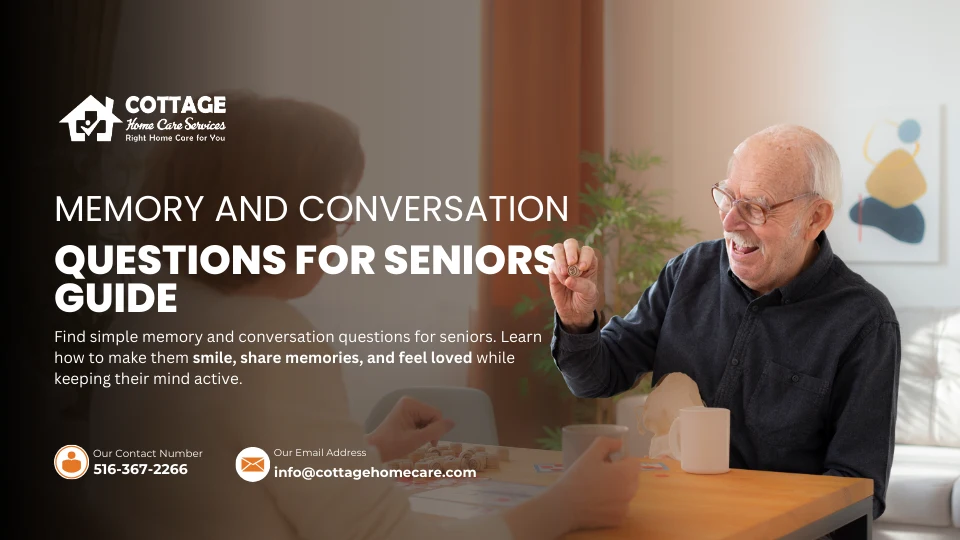
As we grow older, our memories become treasures that shape who we are. Talking about past experiences is not just fun, it helps seniors stay mentally active, feel connected, and share their life stories. But what questions should you ask? How do you start meaningful conversations? And how can you use these questions for memory care, family bonding, or fun activities?
In this guide, we will cover important topics, including funny questions to ask older adults, what if questions for seniors, thought-provoking questions, memory questions for dementia, life story questions, and much more. We will also show how to use these questions online for Google AI, voice search, and answer engine optimization.
Why Asking Questions Matters for Seniors
Have you ever noticed how seniors light up when they share a story from their past? Asking questions does more than fill silence. It helps with emotional connection, memory stimulation, cognitive health, preserving family history, and enjoyable conversations.
Even simple questions like “What was your favorite childhood game?” or “What is one memory that makes you smile?” can spark hours of storytelling. For seniors with memory issues, these questions can be both comforting and stimulating.
Types of Questions to Ask Seniors
Memory questions for seniors usually fall into three main categories:
Relational Questions: Focused on reminiscence and emotional connection. Example: “Who was your best friend when you were young?”
Cognitive Questions: Aimed at stimulating the brain and memory. Example: “Can you name five types of fruit?”
Assessment Questions: Help determine whether memory loss is normal or needs medical attention. Example: “What is today’s date?”
These categories help you choose the right questions depending on the situation.
Funny Questions to Ask Older Adults
Humor is a great way to lighten the mood. Funny questions make conversations enjoyable and memorable. Some examples include:
- What is the silliest thing you believed as a child?
- If you could swap lives with a celebrity, who would it be?
- What’s the funniest prank you ever played?
- If you could live in any TV show, which one would it be?
- What’s your favorite joke that never fails to make you laugh?
Funny questions with answers can also be used in group activities or social gatherings to spark laughter and bonding.
What If Questions for Seniors
What if questions are thought-provoking and allow seniors to imagine different possibilities. Examples include:
- What if you could travel back in time, which age would you visit?
- What if you could have any superpower, what would it be?
- What if you could live in another country, where would it be?
- What if you could change one decision from your past, what would it be?
- What if you could meet any historical figure, who would it be?
These questions encourage seniors to think creatively and reflect on their life experiences.
Thought-Provoking Questions for Seniors
Seniors often enjoy deep conversations about life, choices, and values. Thought-provoking questions include:
- What is the most important lesson you’ve learned in life?
- How would you like to be remembered?
- What is your proudest achievement?
- What changes in the world surprised you the most?
- If you could give advice to your younger self, what would it be?
These types of questions stimulate memory, encourage self-expression, and strengthen emotional connections.
Life Story Questions for Seniors
Life story questions are excellent for preserving memories and family history. Key areas include:
Childhood:
- Where were you born?
- What games did you enjoy playing?
- Who was your best friend growing up?
- What was your favorite school subject?
- Did your family have special traditions?
Young Adulthood:
- What was your first job?
- How did you meet your spouse or partner?
- What music or hobbies did you enjoy in your twenties?
- What dreams did you have for the future?
Family History:
- Who were the interesting characters in your family?
- What stories were passed down from ancestors?
- Are there any family traditions you remember fondly?
Achievements and Lessons:
- What was your proudest career moment?
- What advice would you give younger generations?
- What life lessons shaped who you are today?
Memory Questions for Seniors and Dementia Patients
Memory questions are important for seniors with or without dementia. They help improve recall and cognitive function. Examples include:
- What is your full name and date of birth?
- What is today’s date?
- Can you name five fruits or vegetables?
- Who is the current president?
- What was your first job?
For seniors with dementia, questions should be simple and familiar. Avoid questions that may cause frustration. Instead, focus on personal experiences and positive memories.
Memory Questions for Adults, Kids, and Couples
Memory questions are not just for seniors. Adults, children, and couples can benefit from similar exercises:
- For adults: recall work experiences or favorite vacations.
- For kids: favorite toys, school subjects, or family trips.
- For couples: first date memories, favorite shared experiences, or special traditions.
These exercises can be playful, educational, or bonding experiences for families.
Discussion Questions for Seniors
Discussion questions help seniors engage socially and mentally. Examples include:
- What is your favorite season and why?
- What hobby brings you the most joy?
- What was the happiest day of your life?
- How do you like to spend your free time?
- What is your favorite family memory?
These questions are perfect for group settings, care homes, or family gatherings.
Memory Lane Trivia and Quizzes
Memory lane trivia questions are fun and educational. They can be used in games, group activities, or cognitive exercises:
- What was your favorite TV show as a child?
- Can you name five items you had as a kid?
- Who was your favorite teacher?
- What holiday traditions did you enjoy most?
- What was the first movie you saw in a theater?
Memory quizzes for seniors can help improve mental agility while creating enjoyable experiences.
Sample Memory Tests for Seniors
Caregivers or family members may want to use sample memory tests to monitor cognitive health. A basic test can include:
- Naming objects in the room
- Recalling short stories or events
- Remembering dates or appointments
- Identifying family members
- Answering simple orientation questions (date, day, place)
These tests are informal but can indicate whether further medical assessment is needed.
Easy and Fun Questions for Seniors
Some seniors prefer simple, lighthearted questions. Examples include:
- What is your favorite food?
- What music makes you happy?
- Did you enjoy gardening or cooking?
- What games did you play with friends?
- What was the funniest thing that happened at school?
Easy questions make conversations relaxed and enjoyable, even for those with memory challenges.
Using Questions in Daily Life
You can incorporate these questions into everyday activities:
- During meals, ask about favorite recipes or childhood foods.
- While walking, talk about parks, neighborhoods, or trips.
- During hobbies, discuss favorite music, books, or crafts.
- On family calls, ask about memories of grandparents or parents.
The key is to create moments of connection while stimulating memory naturally.
Optimizing for Google AI and Voice Search
If you are creating content online, these questions can be formatted for Google AI, voice search, and zero-result optimization:
- Use natural, conversational language.
- Include full questions as headings.
- Answer questions directly and clearly in the first 40–50 words.
- Use simple sentences and break down complex topics.
- Include examples and scenarios.
For example, a voice search query could be: “What are funny questions to ask older adults?” Make sure your answer is clear and concise to appear in Google Zero Results or featured snippets.
Conclusion
Asking memory questions for seniors is more than a pastime. It builds emotional bonds, stimulates cognitive function, preserves life stories, and brings joy. Whether it is funny questions, thought-provoking ones, or memory exercises for dementia patients, the right questions can create meaningful connections.
Using these questions online or in daily interactions can also be optimized for modern search engines like Google AI. With voice search and answer engine optimization, your content can reach more caregivers, families, and seniors who need guidance and ideas.
Remember, the key is to keep conversations friendly, clear, and respectful. Ask open-ended questions, listen actively, and enjoy the stories that seniors share. Each memory is a gift, and each question is a bridge to a richer, more connected life.