Introduction to PCA Certification
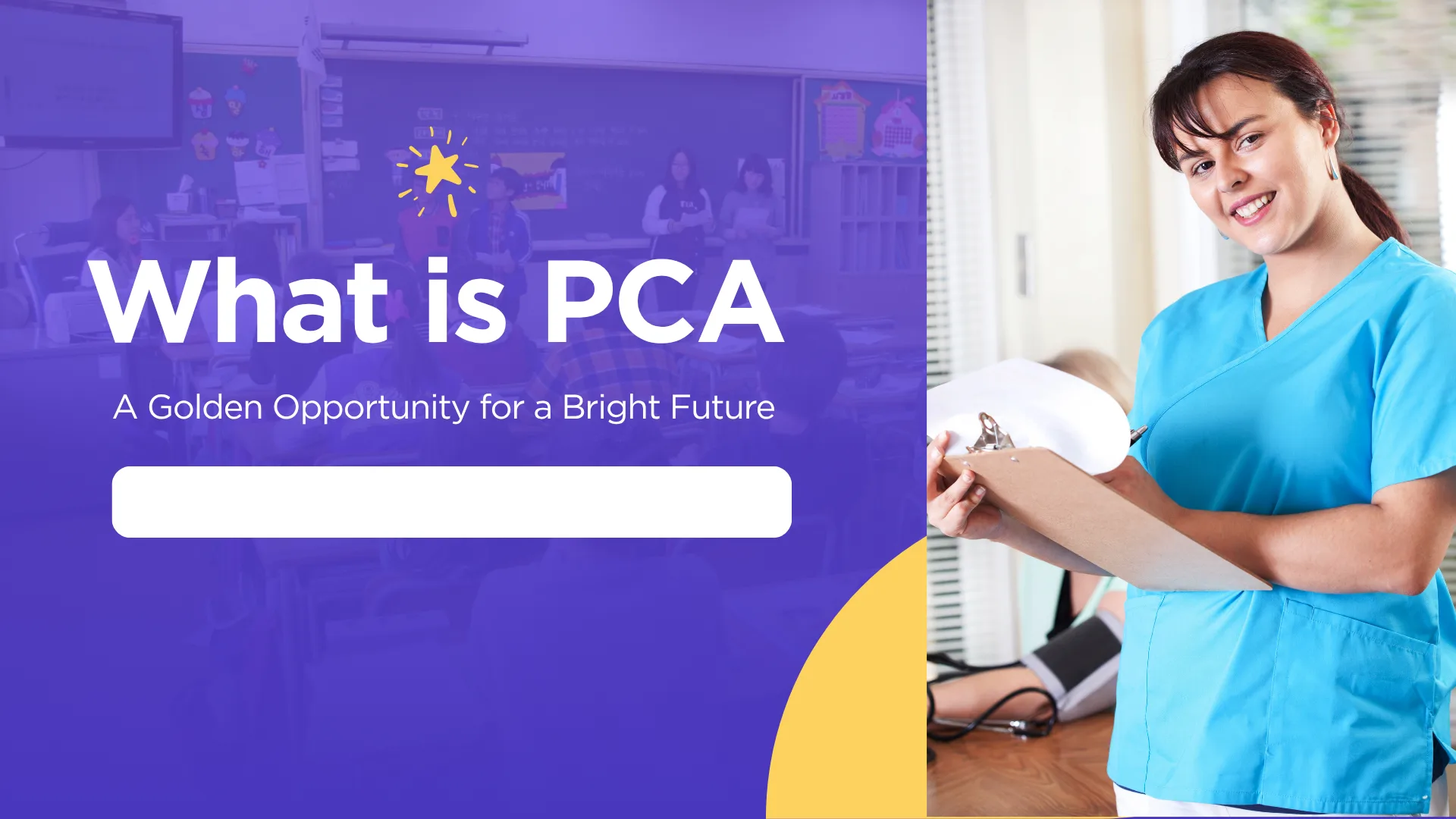
The role of a Personal Care Aide (PCA) is critical in providing support to individuals who need assistance with daily living activities. This could include elderly individuals, those with chronic illnesses, or people recovering from surgery. A PCA plays an essential part in helping patients maintain their independence and live with dignity. In order to legally provide these services, a PCA needs certification, which demonstrates the necessary training and skills to assist patients effectively and safely.
PCA certification ensures that caregivers are equipped with the knowledge, skills, and tools to support patients in a variety of settings such as home health care, hospitals, and long-term care facilities. Whether you are looking to enter the field of personal care or advance your career, obtaining a PCA certification can open many doors and provide a rewarding career.
What is PCA Certification?
PCA certification is a credential that confirms that an individual has received formal training to assist people with personal care needs, such as grooming, hygiene, dressing, and meal preparation. It is designed for those who want to work as personal caregivers for elderly individuals, those with disabilities, or those recovering from surgery.
This certification involves passing a training program that covers patient care essentials and healthcare basics. This may include safety procedures, emergency response protocols, medication assistance, patient hygiene, mobility assistance, and emotional support. By obtaining this certification, you demonstrate your professional competency in providing quality personal care services.
Why is PCA Certification Important?
Many healthcare providers and families prefer to hire certified PCAs because the certification offers several assurances:
- Standardized Knowledge and Skills: Certified PCAs undergo comprehensive training, ensuring they are knowledgeable about patient care techniques, safety protocols, and emergency responses.
- Ensures Patient Safety: Certification programs emphasize safety and hygiene, which reduces the risks of infections and other health complications during patient care.
- Trust and Professionalism: Patients and families often feel more comfortable with certified caregivers, knowing that they have met certain standards of quality care.
Steps to Get PCA Certified
Getting certified as a PCA requires a structured process that includes training, exams, and meeting state-specific requirements. Here’s a step-by-step guide:
- Step 1: Complete a PCA Training Program: Training programs typically range from 75 to 120 hours, depending on the state and the certifying body. These programs include classroom instruction and hands-on practical training. Topics covered include basic caregiving skills, personal hygiene, infection control, nutrition, mobility assistance, and patient rights.
- Step 2: Pass the Certification Exam: After completing the required training, candidates must pass a written exam that tests knowledge on caregiving techniques, safety protocols, and basic medical knowledge. Some states also require a practical exam where candidates demonstrate their ability to perform personal care tasks.
- Step 3: Clear a Background Check: As a PCA, you will be working with vulnerable individuals, so a criminal background check is often required to ensure you don’t have any history that could disqualify you from providing care.
- Step 4: Apply for Certification: Once you’ve completed the training and passed the exams, you can apply for your official PCA certification. Many certifying bodies will issue a certificate that shows you’ve met the required standards and can legally provide personal care services.
Benefits of PCA Certification
For those pursuing a career in personal care, obtaining PCA certification brings numerous benefits, including:
- Increased Job Opportunities: Certified PCAs are in higher demand. Healthcare facilities, hospitals, nursing homes, and home care agencies are often actively looking for certified caregivers, and many prefer or require certification for new hires.
- Higher Pay: Being a certified PCA often leads to higher pay than non-certified workers. Certification shows employers that you are committed to providing high-quality care, which is usually compensated at a higher rate.
- Career Advancement: Certification opens the door to advanced roles in the healthcare industry. Some certified PCAs eventually transition into roles like nurse aides, home health aides, or patient care coordinators, allowing for career growth and stability.
- Job Security: The demand for PCAs is expected to grow significantly in the coming years, especially with the aging population. Certification gives you a competitive edge and helps secure a stable position in a growing field.
- Confidence in Your Skills: Being certified gives you confidence in your ability to provide quality care. It enhances your skills and provides you with the tools to respond to a variety of patient needs.
Requirements for PCA Certification
While each state or certifying body may have its own specific requirements, most PCA certification programs share similar guidelines:
- Minimum Age Requirement: You must be at least 18 years old to become certified.
- Educational Requirements: A high school diploma or GED is usually required to enroll in a PCA training program.
- Training Hours: Depending on the state, candidates must complete between 75 to 120 hours of training. The training is a blend of classroom learning and practical experience.
- Pass a Competency Exam: After completing the training, candidates must demonstrate their understanding of caregiving through a written test and/or a practical skills test.
- Clear Background Check: A criminal background check is typically mandatory before certification is issued.
Where to Get PCA Certification
You can obtain PCA certification through a variety of accredited organizations and institutions. Some well-known options include:
- American Caregiver Association (ACA): This is a leading provider of PCA training and certification recognized across the United States. Their certification is accepted in many healthcare facilities and home care agencies.
- National Association for Home Care & Hospice (NAHC): NAHC offers comprehensive training programs for personal care aides that help individuals meet industry standards.
- Red Cross PCA Certification: The American Red Cross offers a PCA certification program that focuses on health and safety training, equipping caregivers with the skills needed for effective patient care.
Additionally, online programs are available for those who may prefer remote learning. Before enrolling in any program, ensure it is accredited and recognized by employers in your state.
For Assistance
If you're interested in becoming a certified Personal Care Aide, several resources are available to help guide you through the process. For more information about training and certification, you can visit Brooklyn Institute, which offers professional courses and assistance with PCA certification.
If you are looking for personalized care services or have questions about home care options, visit Cottage Home Care for expert guidance and a range of care services tailored to your needs.
Renewing Your PCA Certification
To maintain your PCA certification, you may be required to renew it every 1 to 2 years. This typically involves completing continuing education courses or additional training hours. Renewal ensures that you remain up-to-date with the latest healthcare practices, patient safety protocols, and caregiving techniques.
Many states also require you to pass a competency test during renewal, which ensures that your caregiving skills meet current industry standards. Ongoing education can also help you stay competitive and advance in your career.
Conclusion
PCA certification is an essential step for anyone looking to pursue a career as a Personal Care Aide. With the proper training, certification, and passion for helping others, you can make a meaningful difference in the lives of patients and their families. Certification enhances your professional reputation, improves job prospects, and provides opportunities for career growth in the healthcare industry.
If you're ready to start your journey as a Personal Care Aide, explore training programs in your area and ensure you meet the requirements to earn your certification. With the growing demand for healthcare services, the PCA profession offers a rewarding and secure career path.