
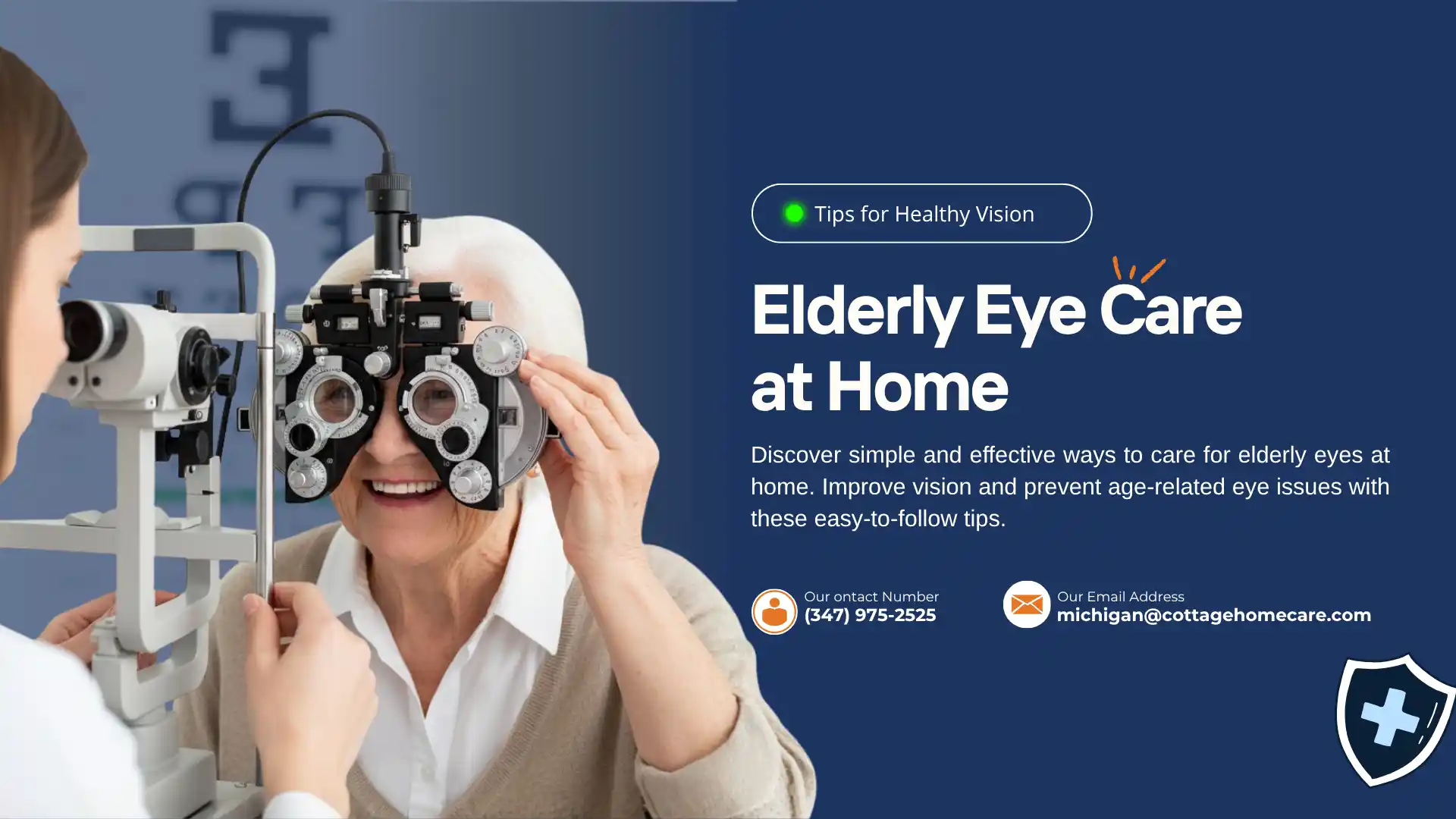
How to Take Care of Your Senior Loved Ones' Eyes at Home to Keep Their Eyesight Healthy
Taking care of your eyes is very important for your health, particularly as you become older. Older folks could have a far better quality of life if they keep their eyesight good. Cataracts, macular degeneration, and glaucoma are all typical visual disorders that happen as people become older. It's vital to have professional eye care, but there are many simple and effective ways to care for your eyes at home.
This article will show elderly folks how to take care of their eyes at home. We'll provide you tips, advice, and helpful answers to help you keep your eyes healthy. If you're a caregiver, a family member, or an older person looking for ways to take care of your eyes, these home remedies and lifestyle adjustments may help.
Why It's Necessary to Look After the Eyes of Elderly People
As individuals become older, they are more prone to have a range of eye illnesses that may make it hard to see. The following are these criteria:
- Cataracts: A condition that makes the natural lens of the eye opaque, which makes it hard to see well.
- Macular Degeneration: A degenerative condition that impairs central vision and is often associated with becoming older.
- Glaucoma: A collection of eye diseases that hurt the optic nerve, generally because there is too much pressure in the eyes.
- Dry Eye Syndrome: This is when the eyes don't manufacture enough tears or the correct sort of tears, which aches and makes them feel terrible.
- Diabetic Retinopathy: This condition damages the blood vessels in the retina of people with diabetes.
Seniors who lose their vision often find it hard to perform simple activities like reading, cooking, and even moving about. It is crucial to provide older people appropriate eye care at home to prevent these issues and help them be as independent as feasible for as long as possible.
The Top Ten Techniques for Seniors to Care for Their Eyes at Home
1. To Keep Your Eyes Healthy, Eat Well
One of the finest things you can do for your eyes is eat the correct meals. A diet that is well-balanced may provide your body the nutrition it needs to safeguard and enhance your eyesight. Giving older people enough vitamins and minerals may considerably lessen their likelihood of having eye issues.
Nutrients that are good for your eyes include:
- Vitamin A: Helps the cornea stay healthy and makes it easier to see at night. Carrots, sweet potatoes, and dark leafy greens all have it.
- Vitamin C: An antioxidant that protects the eyes from damage caused by free radicals. Strawberries, bell peppers, and citrus fruits all have this.
- Omega-3 Fatty Acids: Protects the retina and lowers the risk of dry eye. Flaxseeds, walnuts, and seafood like salmon all have it in them.
- Lutein and Zeaxanthin: Leafy greens like spinach and kale have these. They keep the retina safe by filtering blue light that might damage it.
2. Do Eye Exercises Every Day
Eye exercises help you remain focused, strengthen the muscles in your eyes, and relieve stress. These exercises could be quite useful for elderly persons who spend a lot of time reading or using technology.
Simple Eye Exercises:
- The 20-20-20 Rule: Every 20 minutes, take a 20-second break and stare at something that is 20 feet away to help your eyes feel better.
- Palming: To warm up your hands, rub them together and then gently place your palms over your closed eyes for a few seconds. This helps the muscles surrounding the eyes relax.
- Eye Rolling: Slowly roll your eyes in a circle to improve blood flow around them.
3. Improve the Lighting in Your House
Good lighting is vital for your eye health and to reduce eye strain. Because elderly people are more sensitive to light, the lighting in the home has to be changed to meet their needs.
- To prevent the glare from being too severe, utilize bright, diffused light.
- You may use reading lamps and other task lighting to brighten up areas where older people perform close-up work like writing, crocheting, or reading.
- You may also add night lights in hallways and bathrooms to prevent people from tripping or being wounded at night.
4. Regular Eye Checks and Checkups
Becoming your eyes checked regularly is highly essential for discovering eye problems early and preventing them from becoming worse. Older adults should go to the eye doctor on a regular basis to check their vision and catch any abnormalities before they become worse. Here are some crucial tests that should be done:
- Test for eye pressure to find out whether you have glaucoma.
- Eye exam with dilation: To check for diabetic retinopathy and macular degeneration.
- Visual Acuity Test: This test examines how well you can see things at various distances.
Regular eye exams may find abnormalities early, which might halt vision loss even if there are no evident signs.
5. Take a Break from Looking at Things and Sip Some Water
A lot of older people have dry eyes, which might be because they don't drink enough water. To keep elderly adults hydrated and avoid dry eye syndrome, make sure they drink a lot of water all day long.
Also, make sure you get enough sleep so your eyes can rest and become better. Being enough sleep is good for your eyes because it enables the tear ducts to fill up again, which stops them from being dry and inflamed.
6. Put on Sunglasses to Prevent UV Rays from Harming Your Eyes
Too much exposure to ultraviolet (UV) rays may damage the eyes and create diseases including cataracts and macular degeneration. Even on cloudy days, seniors should always wear sunglasses that block 100% of UV radiation while they are outside.
Encourage elders to buy polarized sunglasses that protect both UVA and UVB rays. Glare may be quite irritating for elderly individuals.
7. If Your Eyes Are Dry, Use Fake Tears
People's bodies produce fewer natural tears as they become older. This might cause problems with dry eyes. Artificial tears or lubricating eye drops that you may get without a prescription could help older people whose eyes are dry.
If your dry eyes don't get better or become worse, consult an eye doctor. It might be a sign of a bigger condition that needs professional attention.
8. Take Breaks from Screens Every Now and Then
Older individuals often experience digital eye strain from using displays for too long, especially smartphones, tablets, and laptops. Taking breaks and using screens wisely might help relieve eye discomfort.
Tell elderly persons to use the 20-20-20 rule and alter the screen's brightness and contrast to a level that is comfortable for them. It's also a good idea to make the text on your gadgets larger so you don't have to squint.
9. Keep an Eye on Your Blood Sugar and Blood Pressure
Taking care of long-term illnesses like diabetes and high blood pressure is highly crucial for keeping your eyes healthy. If you have high blood sugar, you can have diabetic retinopathy. If you have high blood pressure, it might damage the blood vessels in your eyes.
Older individuals should collaborate with their doctor to manage long-term health problems with diet, exercise, and medication. You should monitor your blood pressure and blood sugar levels on a frequent basis to maintain your eyes healthy.
10. Use Natural Solutions to Maintain Your Eyes Healthy
There are a lot of natural ways to make your eyes feel better and improve their health. Here are some home remedies that elderly folks might try:
- Cucumber Slices: Putting cool cucumber slices on your eyes can help them look less puffy and feel better.
- Chamomile Tea Bags: After you make chamomile tea, chill the bags in the fridge and then apply them over your eyes to aid with swelling and irritation.
- Rose Water: Putting rose water in your eyes may make them feel better and calm them.
Home remedies may help with symptoms, but they shouldn't be used instead of seeing a doctor, especially if the individual has a serious eye disease.
Common Eye Problems in Older People and How to Fix Them
As people become older, they are more prone to develop certain eye issues. It's crucial to know what these problems are and how to deal with them at home to keep your eyes healthy.
Cataracts
Cataracts are a big reason why elderly individuals have problems seeing. Cataracts make it hard to see clearly because they make the lens of the eye cloudy. The best approach to get rid of cataracts is to have surgery, but you may also deal with them at home by making sure there is enough light and taking pauses for your eyes regularly.
Degeneration of the Macula
Macular degeneration is a condition that affects central vision and makes it hard to read, drive, and identify faces. Nutritional assistance, especially meals rich in lutein and zeaxanthin, may impede the progression of this disease.
Glaucoma
Glaucoma is a group of diseases that hurt the nerve that regulates vision. This generally happens when the pressure in the eye is too high. There is no cure for glaucoma, but taking eye drops and consulting an eye doctor on a regular basis may help keep it under control.
When to Ask a Professional for Help
Even while taking care of your eyes at home may help, it's important to receive professional medical attention when you need it. You should visit a doctor if you have any of the following symptoms:
- Sudden loss of vision
- Eye pain or discomfort that doesn't go away
- Redness, swelling, or discharge from the eye
- Seeing double or halos around lights
If you detect any of these indicators, you should go to the eye doctor straight once.
Last Thoughts
Taking care of your eyes at home is very important for keeping your eyesight healthy, particularly for elderly individuals. By following these simple steps, you may lower your risk of having age-related eye problems, improve your general eye health, and help older people remain independent for as long as possible. You should visit a doctor and have your eyes tested frequently, but there are things you can do at home that may help you preserve your vision and not lose it.
You can help older people maintain their eyes healthy and pleasant for a long time by providing them the correct mix of diet, eye exercises, decent lighting, and home treatments.