
Cottage Care Blog
Discover What Home Care Experts Can Do for You
By Cottage Home Care Services
0Comment
Get Trusted Home Care Experts to Support Your Loved Ones
What Home Care Experts Do: A Comprehensive Guide to Home Care Services
Introduction
As the demand for in-home healthcare services continues to rise, understanding the role of home care experts has never been more essential. Whether you’re seeking help for a loved one or are considering entering the field yourself, it’s crucial to know what home care experts do, the skills they need, and the services they offer. This article provides an in-depth look at the various responsibilities of home care experts, the types of care they provide, and how to choose the best care option for your family or clients.
At Cottage Home Care Services, we offer compassionate, professional, and customized home care services to meet the diverse needs of our clients in New York, New Jersey, Maryland, Michigan, and Connecticut. Our team of home care experts provides a variety of services, including Home Health Aide (HHA), Personal Care Aide (PCA), Managed Long Term Care (MLTC), and more.
Understanding the Role of Home Care Experts
What Is a Home Care Expert?
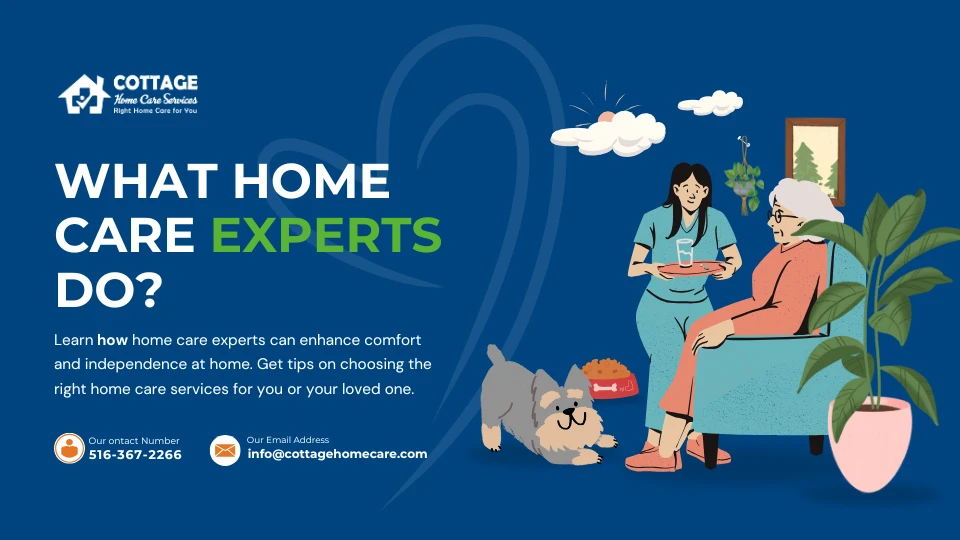
Home care experts, also known as home health aides (HHA) or personal care aides (PCA), provide essential healthcare services to individuals in their homes. These professionals assist with daily living activities that patients may no longer be able to perform independently due to age, illness, disability, or recovery from surgery. The goal of a home care expert is to help individuals remain comfortable and safe in their homes while maintaining as much independence as possible.
Home care experts may work with clients who are elderly, chronically ill, disabled, or recovering from surgery. They provide a wide range of services that can include medical care, personal care, and companionship.
Why Home Care Matters in Today’s Healthcare System
The rise in demand for home care services can be attributed to several factors:
- Aging Population: As the Baby Boomer generation ages, more seniors are opting to stay in their homes rather than move to long-term care facilities.
- Cost Efficiency: Home care services are often more affordable than institutional care, especially for those who don’t need round-the-clock medical attention.
- Patient-Centered Care: Many individuals prefer the comfort of their own homes over institutional settings, where they feel more independent and involved in their daily routines.
- Quality of Life: Home care experts provide a more personalized approach to care, allowing patients to maintain their dignity and live life on their terms.
Skills and Qualifications of Home Care Experts
Essential Skills for Home Care Experts
To provide the best care possible, home care experts need a combination of technical and interpersonal skills:
- Compassion and Empathy: Home care experts must be compassionate, understanding, and patient. They often work closely with patients who may be dealing with complex emotions and challenging health conditions.
- Physical Strength and Stamina: Caregivers may assist patients with mobility, help them move from one position to another, or provide other physical assistance. They need to be physically capable of performing these tasks safely.
- Communication Skills: Effective communication with patients, families, and healthcare professionals is essential. Home care experts must be able to communicate clearly and respectfully.
- Time Management and Organization: Since caregivers often handle multiple tasks at once, such as cooking, cleaning, medication management, and personal care, time management is key to ensuring patients receive comprehensive care.
- Crisis Management: Whether it’s responding to a fall, recognizing signs of a medical emergency, or helping patients manage stress, home care experts must be ready to handle crises calmly and effectively.
Required Certifications and Training
While becoming a home care expert doesn’t require a college degree, specific training and certifications are often necessary:
- Education: Most home care experts have at least a high school diploma or GED. Specialized training in healthcare and caregiving is often required.
- Certifications: Certification requirements vary by state. Common certifications include:
- Certified Nursing Assistant (CNA): CNAs receive training to provide basic patient care.
- Home Health Aide (HHA): HHAs assist with personal care tasks like bathing, dressing, and helping patients with mobility.
- First Aid and CPR Certification: These certifications are often required to ensure caregivers can respond to medical emergencies.
- On-the-Job Training: Many home care experts receive training from agencies or employers, with hands-on experience gained while working with patients.
Types of Home Care Services Provided by Experts
Personal Care Services
Personal care is one of the most common services provided by home care experts. It includes assistance with activities of daily living (ADLs), such as:
- Bathing, grooming, and dressing.
- Meal preparation and feeding assistance.
- Help with mobility, including getting in and out of bed, walking, and using a wheelchair.
- Toileting and incontinence care.
Healthcare Services
Home care experts also assist with medical tasks, though they do not perform the duties of registered nurses. These services may include:
- Monitoring Vital Signs: Home care experts may check blood pressure, temperature, and pulse.
- Medication Management: Administering medications and ensuring patients take the correct dosage at the appropriate times.
- Wound Care: Home care experts can assist with minor wound care and provide support for patients with chronic conditions.
- Health Monitoring: Home care experts track changes in a patient’s condition and alert family members or healthcare professionals if any issues arise.
Companionship and Emotional Support
Emotional well-being is an important aspect of home care. In addition to physical care, home care experts provide companionship to patients who may experience loneliness or isolation. This support includes:
- Conversation and social interaction.
- Encouraging participation in activities that enhance cognitive function.
- Providing emotional support for both the patient and their family.
Household Assistance
To help patients maintain a comfortable and clean living environment, home care experts often assist with household tasks such as:
- Cleaning and light housekeeping.
- Laundry and dishwashing.
- Running errands, including grocery shopping and picking up prescriptions.
Common Mistakes in Choosing a Home Care Expert
1. Choosing Based on Price Alone
While affordability is important, choosing a caregiver based solely on price can lead to poor care. It’s crucial to evaluate the experience, certifications, and reviews of potential home care experts.
2. Not Considering Compatibility
It’s vital that the caregiver and patient have a good personality match. The wrong caregiver may make the patient feel uncomfortable, which can negatively impact their well-being.
3. Ignoring Family Involvement
Home care is a team effort. Families must remain involved to ensure the patient’s needs are met effectively. Failure to include family in care decisions can lead to miscommunication and unmet needs.
4. Overlooking Background Checks
To ensure safety, background checks should be a standard part of hiring a home care expert. This includes checking for criminal records and verifying work experience.
How to Hire the Right Home Care Expert for Your Needs
Step-by-Step Guide for Hiring the Right Home Care Expert
- Assess Your Needs: Determine what level of care is required (e.g., assistance with daily tasks, medical care, companionship).
- Research Caregivers or Agencies: Look for reputable home care agencies that specialize in the care you need. Consider reading reviews and checking references.
- Interview Candidates: Ask about their experience, training, and approach to care. Ensure they are a good match for your loved one’s needs.
- Check Certifications and References: Verify certifications and check references to ensure the caregiver has the necessary skills and experience.
- Trial Period: Start with a trial period to ensure the caregiver is a good fit for your family member’s needs and personality.
Conclusion
Home care experts play a crucial role in the lives of individuals who need assistance due to age, illness, or disability. By understanding the roles, skills, and services provided by home care experts, you can make an informed decision when choosing the right care for your loved ones. At Cottage Home Care Services, we are committed to providing compassionate, professional, and customized care to help individuals maintain their independence and quality of life in the comfort of their own homes.
If you are interested in learning more about our home care services, visit Cottage Home Care Services or contact us directly at 516-367-2266 or info@cottagehomecare.com.
Recent Posts
Categories
Related Topic
home care expertshome care serviceshome health aides near mepersonal care aidescaregiver serviceselderly carehome care for seniorshome care services near mepersonal care serviceshome health aide servicesnursing care at homein-home care servicescaregiving experts near mehome care professionalsaffordable home carelocal home care services
0comments
COMMENT SECTION

![[Valid RSS]](https://www.rssboard.org/rss-validator/images/valid-rss-rogers.png "Validate my RSS feed")
Copyright © 2026 Cottage Home Care - All Rights Reserved.