
Cottage Care Blog
Start Free Homecare Training Today
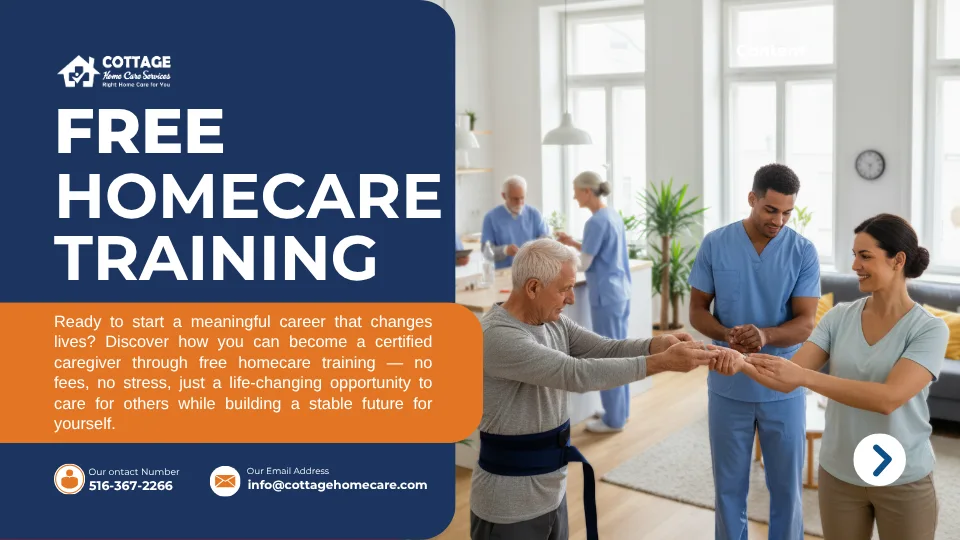
Start your caregiving career with free training and jobs
Get Free Homecare Training: Start Your Rewarding Caregiving Career Today
Introduction: Your Path to a Rewarding Caregiver Career, Debt-Free
Choosing a career in homecare is more than just finding a job — it’s about making a real difference in people’s lives. The best part? You can start this fulfilling journey without spending thousands of dollars on training. Free homecare training programs across the United States help compassionate individuals gain the skills and certifications needed to become professional caregivers. Whether you’re just starting your career or changing paths, this guide will walk you through how to access these opportunities and begin your caregiving journey — completely free.
Why Choose a Homecare Career?
Homecare is one of the fastest-growing fields in the U.S. The aging population and increasing demand for in-home support have created thousands of caregiver opportunities nationwide. Home health aides and personal care assistants provide essential daily care for seniors and individuals with disabilities, allowing them to live comfortably at home.
Beyond job security, homecare is emotionally rewarding. You’re not just performing tasks — you’re improving someone’s quality of life, offering companionship, and creating a sense of independence for clients who rely on your care.
The Promise of Free Training: What This Guide Covers
In this guide, you’ll learn how to find legitimate free homecare training programs, including government-funded options, employer-sponsored programs, and online courses. We’ll cover what to expect during training, how certification works, and how to transition from student to professional caregiver — all without paying tuition fees.
Understanding the Home Health Aide (HHA) Role and What It Entails
What is a Home Health Aide?
A Home Health Aide (HHA) is a trained professional who provides personal and health-related support to clients at home. They often assist with activities such as bathing, dressing, medication reminders, and mobility support. HHAs play a key role in helping seniors and patients with chronic conditions maintain independence in a comfortable environment.
Core Responsibilities and Daily Tasks
Daily duties of a homecare worker can include meal preparation, basic health monitoring, light housekeeping, and companionship. In medical cases, HHAs may work under the supervision of a nurse to check vital signs or help with therapy routines. Compassion, patience, and attention to detail are vital in this role.
The Impact: Why Homecare is Essential and Rewarding
Homecare enables older adults and those with disabilities to remain at home rather than move into a nursing facility. It’s a service built on trust, empathy, and human connection. Many caregivers describe their work as deeply fulfilling because they see the difference they make every day.
Essential Skills: Beyond the Clinical
While technical training is important, great caregivers also develop emotional intelligence, strong communication skills, and resilience. Homecare often requires flexibility and the ability to stay calm under pressure — qualities that can be learned and strengthened through training and experience.
The "Free" Advantage: Uncovering No-Cost Homecare Training Opportunities
Why Free Training Exists
Free homecare training programs exist because there’s a growing national shortage of caregivers. To meet demand, agencies, state governments, and community organizations offer free training to attract and prepare qualified workers. By covering training costs, these programs open doors for individuals from all backgrounds to join the healthcare field.
Dispelling Myths About Free Training
Many people assume free training is lower in quality — but that’s not true. Government-approved programs must meet federal and state standards to qualify students for certification. Whether you train for free or pay tuition, the final certification process and skill standards are the same.
Pathway 1: Employer-Sponsored Training Programs
How Employer-Sponsored Programs Work
Many homecare agencies across the U.S. offer paid or free training programs for aspiring caregivers. These programs typically train you for a few weeks and guarantee employment upon successful completion. Agencies benefit by developing skilled staff, and trainees benefit by starting a career with no upfront costs.
Benefits of Agency-Provided Training
- No tuition or hidden fees
- Guaranteed job placement after certification
- Hands-on experience under professional supervision
- Opportunity to earn while learning in some cases
How to Find Homecare Agencies Offering Free Training
Search online for “free home health aide training near me” or visit job boards where agencies promote openings with “training included.” Major cities often have multiple agencies recruiting trainees year-round.
Pathway 2: Government-Funded Initiatives and State Programs
State-Specific Training and Certification Programs
Each state has different requirements for home health aide training. Many states fund community programs through workforce development or healthcare grants. For instance, New York’s Department of Health and several community colleges provide free or low-cost HHA training for eligible applicants.
The Role of CMS in Homecare
The Centers for Medicare and Medicaid Services (CMS) set national standards for HHA programs. These regulations ensure all certified aides meet consistent competency levels, no matter where they train.
Using Medicaid Waiver Programs
Some states offer Medicaid waiver programs that pay for caregiver training as part of long-term care support. These programs are a great option if you’re helping care for a family member and want to receive professional training.
How to Access Government-Funded Programs
- Visit your state’s Department of Health or Labor website
- Look for “Workforce Development” or “Healthcare Training” grants
- Contact local job centers or community colleges
- Ask about free or subsidized HHA or PCA training programs
Pathway 3: Non-Profit Organizations and Community Resources
Community Colleges and Vocational Schools
Many community colleges partner with healthcare agencies or receive federal grants to provide free homecare training. Scholarships and financial aid may also cover tuition for those who qualify.
Local Non-Profits Supporting Caregiver Development
Non-profit organizations often offer free training as part of workforce development projects. Examples include Red Cross chapters, local caregiving coalitions, and senior service centers.
How to Research and Apply
Check your city’s community resource listings or ask local social service offices about healthcare job training initiatives. These organizations can connect you with programs that don’t require tuition or prior experience.
Pathway 4: Exploring Online and Hybrid Training Options
The Rise of Online Home Health Aide Training
Online training has become more popular, especially after 2020. Many accredited schools now offer hybrid models that combine online coursework with in-person practical sessions. This flexibility allows you to learn from home while meeting state hands-on requirements.
Hybrid Models: Blending Online Learning and Skills Practice
Hybrid training combines the best of both worlds — theory online, skills in person. You can complete lessons, videos, and quizzes virtually, then attend short lab sessions to practice caregiving techniques.
What to Expect from Your Homecare Training Experience
Curriculum Highlights
Most training programs cover personal care assistance, infection control, patient safety, nutrition, and communication. You’ll also learn about patient rights, emergency response, and documentation.
Duration and Structure
Standard HHA programs run between 75 to 120 hours depending on state requirements. Some finish in as little as three weeks if taken full-time, or over several months part-time.
Meeting Certification Requirements
To be certified, you must complete the full training hours and pass both written and practical exams. Certification ensures you’re legally qualified to work in agencies or Medicaid-funded programs.
Navigating Certification: Your Credential to Care
Understanding Home Health Aide Certification
Certification proves that you’ve met state and federal standards to provide care in clients’ homes. Employers usually require this credential before hiring.
Demystifying Different Caregiver Certifications
Besides HHA, you might hear terms like PCA (Personal Care Assistant) or CNA (Certified Nursing Assistant). Each has unique requirements, but many skills overlap.
State-Specific Certification Requirements
In most states, HHA training programs must be approved by the Department of Health or Education. Be sure to verify that your program is accredited before enrolling.
Potentially Free Certification Exams
Some agencies and government programs cover exam fees — a hidden benefit many trainees don’t realize.
From Training to Employment: Launching Your Caregiver Career
Crafting Your Resume and Cover Letter
Emphasize compassion, dependability, and any volunteer or caregiving experience. Agencies value soft skills just as much as certifications.
Acing Your Job Interview
Dress professionally, be punctual, and show genuine empathy. Discuss why caregiving matters to you and your ability to work with different clients.
Understanding Different Care Settings
Caregivers can work in private homes, assisted living facilities, hospices, or group homes. Each environment has unique routines and expectations.
The Importance of Networking
Join local caregiver associations or online groups to share experiences and find job opportunities. Networking often leads to better-paying roles and ongoing support.
Advancing Your Caregiver Journey: Continuous Learning and Career Growth
In-Service Training
Once employed, most states require caregivers to complete annual in-service hours to stay current. This ensures you maintain your certification and update your skills.
Exploring Dual Certification and Specialized Roles
Consider earning additional credentials like CNA or CPR certification. These can open doors to higher pay and specialized positions such as hospice aide or rehabilitation assistant.
Potential for Career Advancement
With experience, you can move into supervisory roles, become a care coordinator, or pursue nursing or healthcare management degrees.
Sustaining Your Caregiver Career: Well-Being and Professional Development
Prioritizing Self-Care
Caregiving is rewarding but can be physically and emotionally demanding. Make time for rest, exercise, and support from peers to prevent burnout.
Building a Professional Network
Stay connected through workshops, online forums, and training events. A strong professional network helps with job security and continuous learning.
Understanding Patient Rights and Advocacy
Caregivers are advocates. Understanding patients’ rights and ethical standards is part of providing compassionate, high-quality care.
Frequently Asked Questions
Q: What is the Massachusetts Home Care Program?
A: It’s a state program that provides in-home services for seniors and people with disabilities, helping them remain independent.
Q: What is the cost of caregiver training?
A: Many programs are free through government or employer sponsorship. Paid options typically cost between $400 and $1,000.
Q: Can you get your home health aide certification online?
A: Some states allow hybrid models combining online theory with in-person skills training.
Q: What is the highest pay for a home health aide?
A: Experienced HHAs in some regions can earn $20–$25 per hour, depending on location and specialization.
Q: Where can I get free homecare training online?
A: Check state-approved online schools or local agencies offering hybrid free programs.
Q: How do I enroll in free homecare training programs?
A: Visit your state’s Department of Health website or local homecare agencies that advertise “training provided.”
Q: What are the eligibility requirements for free homecare training?
A: Most programs require applicants to be at least 18 years old with a high school diploma or GED.
Q: Which organizations offer free homecare training courses?
A: Local homecare agencies, non-profits, workforce development centers, and government programs.
Q: What is homecare training and why is it important?
A: It teaches the skills and ethics required to provide safe and effective in-home care.
Q: Can free homecare training lead to professional certification?
A: Yes, as long as the program meets state and federal standards.
Q: Are there state-specific free programs available?
A: Yes, nearly every state offers free or subsidized caregiver training through local initiatives.
Q: Can someone get a caregiver job with no medical training?
A: Yes, many agencies provide free on-the-job training for entry-level positions.
Q: How long does standard training take?
A: Typically 75 to 120 hours or about three to six weeks.
Q: How can I verify the credibility of free training providers?
A: Check if the program is approved by your state’s Department of Health or Education.
Need More Information?
If you’d like help finding free caregiver training or certification programs, you can reach out for assistance:
Website: Cottage Home Care Services
Phone: 516-367-2266
Email: info@cottagehomecare.com
Popular Posts
Categories
Related Topic
free homecare trainingfree caregiver trainingfree home health aide trainingfree HHA trainingcaregiver certification near mehome health aide certification near mecaregiver training near meHHA classes near mefree caregiver courses onlinefree HHA training onlinefree homecare aide classeshome health aide programs USAfree caregiver training with certificateHHA school near mehomecare certification programscertified home health aide trainingfree PCA trainingpersonal care aide certificationfree home health aide course near meonline home health aide certificationcaregiver training institute near mecaregiver school near meHHA certification classeshomecare jobs near mecaregiver jobs hiring near mefree HHA certification coursecaregiver training USAHHA training programs near mehome health aide training free with job placementhome health aide training program USAcaregiver education onlinehealthcare training near mecaregiver license near meonline caregiver classescaregiver training and certificationfree CNA and HHA trainingnursing assistant training near mefree healthcare training programshome aide training near meelderly care training near mefree home aide certification classesentry level caregiver jobs near mehome health aide certification classes onlinegovernment-funded caregiver trainingstate-approved homecare trainingfree homecare course with certificationcaregiver training schools near mebest caregiver training programscaregiver academy near meHHA course online freefree caregiver workshops USAcaregiver career trainingHHA license near mecaregiver training for beginnershomecare training opportunities USApaid caregiver training near mecaregiver skills training program
0comments
COMMENT SECTION

![[Valid RSS]](https://www.rssboard.org/rss-validator/images/valid-rss-rogers.png "Validate my RSS feed")
Copyright © 2026 Riverside Select Services, LLC DBA Cottage Homecare Services - All Rights Reserved.