
Cottage Care Blog
What is a Patient Care Assistant - Career in Healthcare

By Cottage Home Care Services
0Comment
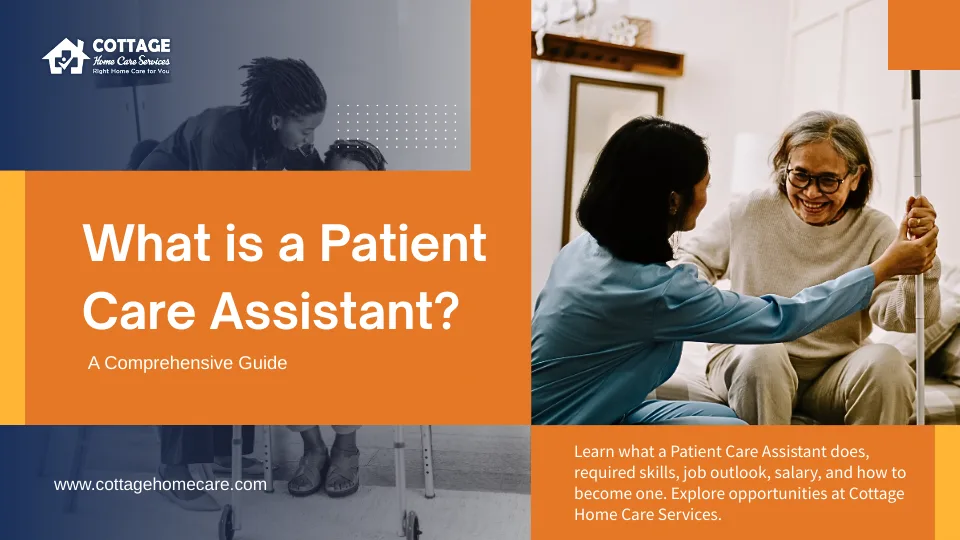
What is a Patient Care Assistant - Career in Healthcare
What is a Patient Care Assistant? A Comprehensive Guide
What is a Patient Care Assistant (PCA)? A Patient Care Assistant plays a vital role in the healthcare industry, providing essential care and support to individuals who need help with daily activities due to illness, disability, or aging. This role is critical in a variety of settings, including hospitals, nursing homes, and home healthcare environments. If you're considering a career in healthcare, understanding what a Patient Care Assistant does can help you decide if this rewarding role is right for you. In this article, we will explore the responsibilities, qualifications, skills, salary expectations, and job outlook of a Patient Care Assistant.
At Cottage Home Care Services, we rely heavily on PCAs to provide quality care for our patients. This article will help you understand exactly what a Patient Care Assistant does, the importance of the role, and how it fits within the larger framework of healthcare services.
What Does a Patient Care Assistant Do?
A Patient Care Assistant’s responsibilities may vary depending on the healthcare setting in which they work. However, the following duties are common across most PCA roles:
- Personal Care Assistance: Helping patients with daily activities, including bathing, dressing, grooming, and feeding.
- Mobility Support: Assisting patients with moving from one place to another, whether it’s getting out of bed, using the bathroom, or moving to another room.
- Monitoring Vital Signs: Recording a patient’s vital signs such as temperature, pulse, and blood pressure.
- Emotional and Mental Support: Providing companionship and emotional comfort, which can be especially vital for patients who are isolated or dealing with serious health issues.
- Meal Preparation: Preparing meals that align with the patient’s dietary restrictions and preferences.
- Assisting with Medical Procedures: While PCAs do not perform medical procedures themselves, they often assist nurses and doctors in delivering care, such as monitoring wound healing or ensuring that patients take their medications as prescribed.
- Patient Documentation: Keeping track of a patient's health progress, ensuring that all necessary information is accurately recorded for healthcare providers.
The diverse nature of these responsibilities makes the Patient Care Assistant role incredibly rewarding. Whether you work in a nursing home, hospital, or provide home healthcare services like those offered by Cottage Home Care Services, you’ll be providing invaluable assistance to both the patients and their families.
Essential Skills and Qualifications for a Patient Care Assistant
To succeed as a Patient Care Assistant, certain skills and qualifications are necessary. These will not only help you in your role but also enable you to provide the highest standard of care for your patients.
Skills Needed
- Compassion and Empathy: As a PCA, you will work closely with patients who may be vulnerable or in need of emotional support. The ability to show compassion is crucial.
- Strong Communication Skills: Whether it’s explaining procedures to patients or communicating patient progress to medical staff, clear communication is key.
- Attention to Detail: Monitoring and documenting health data, such as vital signs, requires precision.
- Physical Stamina: Since the job often involves helping patients with mobility or performing physical tasks, being physically fit is important.
- Knowledge of Medical Terminology: Having a basic understanding of medical terms and practices will help you better assist in healthcare settings.
Educational Requirements
- High School Diploma or Equivalent: A basic educational background is necessary to enter the field.
- Certified Patient Care Assistant Course: Some employers may require formal training, which can be obtained through certification programs that cover essential healthcare topics like anatomy, medical terminology, and first aid.
- CPR and First Aid Certification: These are crucial skills for ensuring patient safety, especially in emergency situations.
How to Become a Patient Care Assistant
Becoming a Patient Care Assistant involves several steps, each designed to ensure you are well-prepared for the demands of the job. Here is a breakdown of the steps you can follow to enter this rewarding career:
- Complete Your High School Education: A high school diploma or equivalent is the minimum requirement for most PCA roles.
- Enroll in a PCA Certification Program: While some employers offer on-the-job training, enrolling in a certified Patient Care Assistant program is an excellent way to acquire specialized knowledge and improve your job prospects.
- Get Certified: Certification requirements can vary, but many employers prefer PCAs who hold certifications in CPR and First Aid.
- Gain Experience: Look for entry-level positions in healthcare facilities, home care agencies, or volunteer opportunities to gain experience.
- Pursue Ongoing Education: Healthcare is an ever-evolving field, so continuing education in areas like NHTD (Nursing Home Transition & Diversion Program) or OPWDD (Support for Individuals with Developmental Disabilities) can help you stand out and advance in your career.
Salary and Job Outlook for Patient Care Assistants
The salary of a Patient Care Assistant varies based on location, experience, and education level. In general, the average salary for a PCA in the U.S. is approximately $30,000 to $40,000 per year. However, this can vary widely depending on where you work and the type of healthcare facility.
The job outlook for Patient Care Assistants is promising. As the U.S. population ages, there is an increasing demand for healthcare services, including home healthcare. According to the U.S. Bureau of Labor Statistics (BLS), the employment of nursing assistants (which includes PCAs) is projected to grow by 8% from 2020 to 2030, faster than the average for all occupations.
The Importance of Patient Care Assistants in Home Health Care
At Cottage Home Care Services, we provide a range of essential healthcare services, including HHA/PCA (Home Health Aide / Personal Care Aide), which are designed to meet the needs of those requiring assistance at home. These services allow patients to receive personalized care in the comfort of their homes, reducing the need for hospital visits and improving their quality of life.
The role of a Patient Care Assistant within a home healthcare setting is vital. Not only do they assist with physical tasks, but they also provide emotional support, which is essential for individuals who may be isolated or dealing with chronic conditions.
Cottage Home Care Services: Supporting Patient Care Assistants and Their Patients
At Cottage Home Care Services, we are proud to offer services that enhance the well-being of both our patients and their families. Here’s an overview of the services we provide that rely on skilled Patient Care Assistants:
- HHA/PCA (Home Health Aide / Personal Care Aide): Our team of professional PCAs assists patients with activities of daily living, such as bathing, dressing, and feeding, ensuring they live comfortably at home.
- NHTD (Nursing Home Transition & Diversion Program): For individuals who want to transition from nursing home care back into the community, our team provides personalized services, including PCA support, to help make this transition as smooth as possible.
- OPWDD (Support for Individuals with Developmental Disabilities): We offer support services for individuals with developmental disabilities, ensuring they have access to the care they need, from personal assistance to emotional support.
- Private Pay Services: Our private pay options allow patients to receive personalized in-home care when needed, ensuring they get the best quality service at an affordable price.
- CFC (Community First Choice) Services in Maryland: We provide specialized services to individuals who qualify for Maryland’s CFC program, helping them maintain their independence at home with the support of trained Patient Care Assistants.
At Cottage Home Care Services, we understand the importance of quality care and compassionate service. Our Patient Care Assistants are trained to deliver the highest level of care, ensuring that each patient receives the attention and support they deserve.
Conclusion
In summary, a Patient Care Assistant (PCA) is a vital part of the healthcare system, providing essential support to patients in various settings, including home healthcare. By understanding the key responsibilities, skills, and qualifications needed for this role, you can begin your journey toward becoming a compassionate and skilled PCA.
At Cottage Home Care Services, we are committed to providing high-quality, compassionate care through our HHA/PCA services and other specialized healthcare offerings. If you're looking for more information about becoming a Patient Care Assistant or our services, feel free to contact us at 516-367-2266 or info@cottagehomecare.com.
By providing skilled and empathetic care, Patient Care Assistants play an essential role in enhancing the lives of patients and their families, ensuring a higher quality of life and better health outcomes.
Recent Posts
Categories
Related Topic
Patient Care AssistantPCA jobs near mePatient Care Assistant careerPatient Care Assistant salarywhat is a Patient Care AssistantPCA serviceshome health aide near mePatient Care Assistant qualificationshome care serviceshealthcare careers near mepersonal care aide jobsPatient Care Assistant rolePatient Care Assistant job descriptionnursing home care near mePatient Care Assistant trainingPCA services near mehealthcare careersPCA jobspersonal care assistant opportunities.
0comments
COMMENT SECTION

![[Valid RSS]](https://www.rssboard.org/rss-validator/images/valid-rss-rogers.png "Validate my RSS feed")
Copyright © 2026 Cottage Home Care - All Rights Reserved.