
Cottage Care Blog
Senior Mobility Assistance for Independence and Better Health

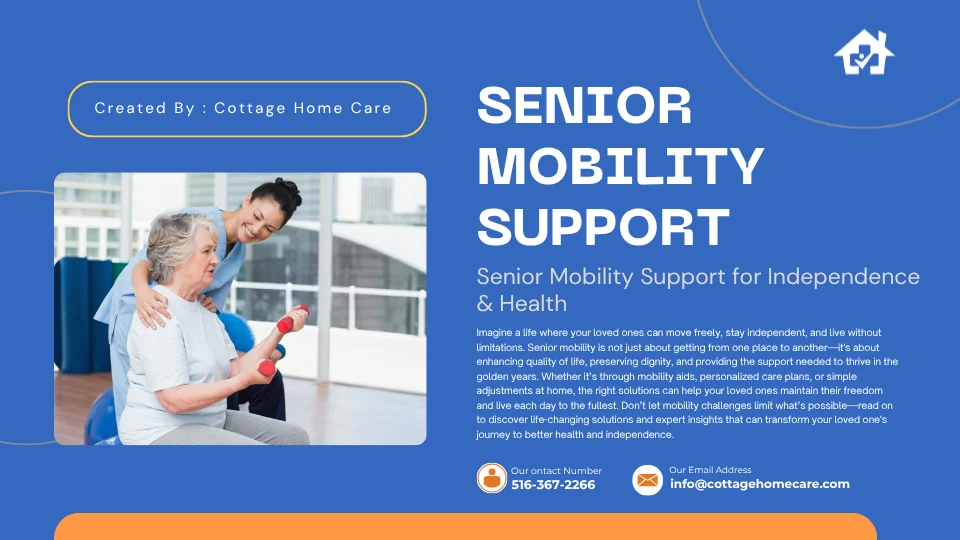
Improving Independence and Health through Senior Mobility Support
Senior Mobility Solutions: How Seniors Can Stay Active, Healthy, and Independent
As people age, staying active becomes more difficult but more important. Have you ever wondered why some seniors can still walk to the park or do chores at home while others struggle with simple tasks? The answer often comes down to mobility. Mobility is the ability to move freely and safely. When seniors lose mobility, it can affect independence, health, and overall quality of life.
In this article, we will explore the importance of senior mobility solutions, common challenges older adults face, practical steps to improve movement, and how professional home care services can help. By the end, you will understand how to support your loved ones so they can remain active, safe, and happy.
Why Senior Mobility Matters
Mobility is not just about moving from one place to another. It affects your health, mental well-being, independence, and daily life. Let's break this down.
Physical Health Benefits
Moving your body keeps your heart, lungs, and muscles strong. Older adults who stay active are less likely to get sick and often recover faster from injuries. Some important benefits include:
- Better Circulation: Walking, stretching, and gentle exercises help blood flow. Good circulation reduces the risk of blood clots and keeps organs healthy.
- Stronger Muscles and Bones: Regular movement strengthens muscles and bones, which helps prevent falls and fractures.
- Improved Flexibility: Stretching and mobility exercises keep joints flexible, making everyday tasks easier.
Mental Health Benefits
Did you know that movement also helps your mind? Staying active can help older adults feel happier and less anxious. Benefits include:
- Reduced Depression: Seniors who stay mobile are less likely to feel sad or isolated.
- Better Confidence: Being able to move without help gives a sense of control over life.
- Increased Energy: Regular activity can improve sleep and make daily tasks feel easier.
Impact on Daily Life
Mobility allows seniors to perform tasks like:
- Walking to the kitchen or bathroom
- Going to the store or park
- Participating in social activities or hobbies
Without mobility, seniors can feel frustrated or helpless. How can someone enjoy life if they cannot move freely? Senior mobility solutions are key to maintaining independence and quality of life.
Common Challenges Seniors Face with Mobility
Physical Limitations
The body changes with age. These changes can make movement more difficult. Common physical problems include:
| Condition | How It Affects Mobility | Tips to Manage |
|---|---|---|
| Arthritis | Causes joint pain, swelling, and stiffness | Gentle stretching, low-impact exercises, mobility aids |
| Osteoporosis | Weakens bones, increases risk of fractures | Weight-bearing exercises, calcium, vitamin D, safe walking paths |
| Muscle Weakness | Makes it hard to stand, walk, or lift objects | Strength training, physical therapy, mobility supports |
Mental Health Challenges
- Depression: Feeling unable to move can lead to sadness and frustration.
- Fear of Falling: Anxiety about falling can make seniors avoid walking or exercising.
- Isolation: Limited movement reduces social interactions, leading to loneliness.
Environmental Barriers
- Wet or slippery floors – increases the risk of falls.
- Stairs without railings – difficult to navigate safely.
- Cluttered walkways – obstacles can cause trips or injuries.
Have you looked around your loved one’s home lately? Small changes can make a big difference in safety.
Senior Mobility Solutions: Tools and Strategies
Mobility Devices
- Walkers: Provide support for balance and reduce the risk of falls.
- Canes: Lightweight and easy to use for short distances.
- Wheelchairs: Ideal for seniors who cannot walk long distances or stand for long periods.
Technological Solutions
- Smart Home Devices: Voice-activated lights, doors, and alarms reduce the need to move unnecessarily.
- Health Apps: Track activity, set exercise reminders, and monitor vital signs.
- Emergency Alert Systems: Can call for help if a senior falls or has trouble moving.
Therapies and Exercises
- Stretching: Reduces stiffness and improves joint movement.
- Walking: Strengthens muscles and improves endurance.
- Strengthening Exercises: Focus on legs, core, and arms to support overall mobility.
- Balance Exercises: Simple routines like standing on one foot or using a balance board prevent falls.
Professional Home Care Services
- Personalized Care Plans: Tailored exercises and mobility strategies for each senior.
- Daily Assistance: Help with dressing, bathing, cooking, and moving around the home.
- Safety Monitoring: Ensure the environment is safe and prevent overexertion.
Local and Community-Based Support
Home Care Services by Area
- New York: Brooklyn, Queens, Manhattan
- New Jersey: Jersey City, Bayonne, and surrounding areas
- Maryland: Baltimore and nearby communities
- Michigan: Wayne County, Oakland County, and nearby regions
Community Resources
- Senior Transportation Services: Special buses or shuttles for older adults.
- Exercise and Wellness Programs: Group fitness classes, stretching sessions, and physical therapy programs.
- Support Groups: Share experiences and get encouragement from peers.
Benefits of Local Services
- Familiarity with Local Needs: They know the area, hazards, and resources.
- Accessibility: Quick response in emergencies and continuous support.
Real-Life Examples and Testimonials
- Mrs. Johnson, New Jersey: Used a walker and home care assistance. Regained independence and enjoys walks in the park daily.
- Mr. Smith, Maryland: Added grab bars and daily exercises. Reduced risk of falling and gained confidence at home.
Testimonials
- "The help my mother got with moving around has changed everything. She is happier and more independent." — Relative, New York
- "Because of professional home care services, my dad can now walk without help." — Family Member, New Jersey
Practical Tips for Improving Senior Mobility
- At Home: Remove tripping hazards, install grab bars, keep frequently used items within reach.
- Daily Habits: Encourage short walks, stretching, and using mobility aids.
- Community Engagement: Join senior fitness programs, use transportation services, and stay connected with friends and family.
Quick Checklist for Caregivers
| Task | Frequency | Notes |
|---|---|---|
| Stretching exercises | Daily | 5–10 minutes, gentle movements |
| Walking or indoor movement | Daily | 10–20 minutes, as tolerated |
| Strengthening exercises | 2–3x/week | Focus on legs, core, and arms |
| Safety checks at home | Weekly | Remove hazards, test grab bars |
| Review medications & health | Weekly | Ensure no side effects affect balance |
F.A.Q. About Senior Mobility Solutions
- Q1: How do I know if my loved one needs mobility help?
- Signs include difficulty walking, frequent fatigue, fear of falling, or limited social activities.
- Q2: What mobility aids are best for home use?
- Walkers for balance, canes for light support, and wheelchairs for those unable to walk long distances.
- Q3: Can technology really improve independence?
- Yes. Smart home devices, health apps, and emergency alerts help seniors move safely and stay connected.
- Q4: How do I choose the right home care service?
- Look for trained caregivers, personalized plans, and services close to your home. Check reviews and ask for references.
Conclusion
Mobility is more than moving from place to place. It is about staying independent, healthy, and socially active. With the right senior mobility solutions, including exercises, devices, technology, and professional care, seniors can enjoy a safe, active, and fulfilling life.
If you or a loved one struggles with mobility, don’t wait. Contact Cottage Home Care Services to learn how they can help seniors remain active, confident, and independent.
Popular Posts
Categories
Related Topic
senior mobilityelderly mobility aidsimproving senior mobilitysenior independencemobility for elderlymobility aids for elderlyassistive devices for elderlysenior walking assistanceelderly independencewalking aids for seniorsaging and mobilitymobility issues in elderlymobility for seniorsmobility challenges in seniorssenior transport solutionsmobility products for seniorsmobility support for elderlyenhancing senior mobilitysenior health and mobilitywalking assistance for elderlyimproving mobility in elderlymobility issues in aging adultsaging adults mobility aidsbest mobility solutions for seniorsmobility support for seniorssenior mobility productssenior care mobilitysenior mobility deviceselderly mobility supportsenior mobility devicesassistive technology for seniorsmobility challenges elderlysenior health care and mobilityprofessional mobility assistance for seniorsimproving mobility for elderly adultsmobility solutions for aging seniorssenior mobility servicesmobility aids for senior citizenssenior walking mobilityelderly walking aidstransportation solutions for seniorsmobility issues in aging seniorssenior mobility aids for home usemobility support at home for elderlysenior mobility equipmenthome care near memobility services near mesenior care near me
0comments
COMMENT SECTION

![[Valid RSS]](https://www.rssboard.org/rss-validator/images/valid-rss-rogers.png "Validate my RSS feed")
Copyright © 2026 Riverside Select Services, LLC DBA Cottage Homecare Services - All Rights Reserved.