
Cottage Care Blog
Your Path to Caregiver Certification: A Comprehensive Guide
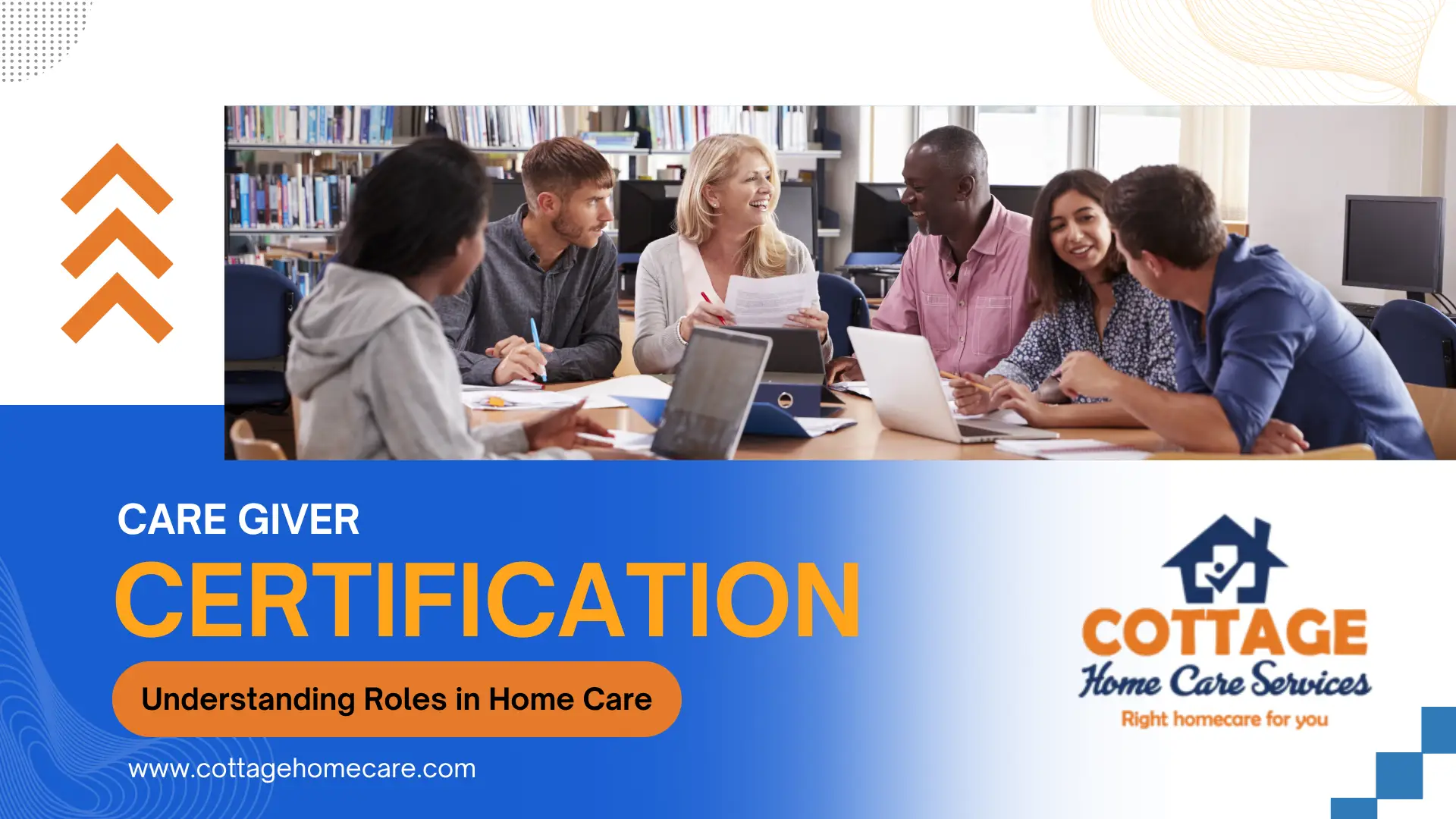
Become a certified caregiver! CAREGIVER CERTIFICATION made easy.
The Complete Guide to Caregiver Certification: Why It Matters, How to Get Certified, and How Cottage Home Care Can Support Your Career Growth
Introduction to Caregiver Certification
In today’s healthcare environment, caregiver certification is vital to ensuring that individuals providing home care are highly trained, skilled, and capable of delivering the highest level of care. Whether you're entering the field as a Personal Care Aide (PCA) or aiming to become a Home Health Aide (HHA), certification equips you with the necessary skills and credentials to earn trust, enhance your reputation, and improve patient outcomes.
At Cottage Home Care Services, we recognize the immense value that certified caregivers bring to the table. They are essential in providing exceptional care for our clients, and we are committed to supporting caregivers at every step of the certification process to ensure success in this growing and rewarding field.
What Is Caregiver Certification?
Caregiver certification is an official credential confirming that a person has completed specialized training to provide quality home care services. It shows that the caregiver is prepared to assist clients with both basic and complex needs safely and compassionately, whether for personal care, mobility assistance, or medical support.
Certification ensures that caregivers are trained in key areas such as:
- Safety protocols
- Personal hygiene
- Patient rights
- Emergency response
- Medical and non-medical home care procedures
Whether pursuing non-medical home care certification or medical caregiver certification, training ensures adherence to state-specific guidelines for providing exceptional care.
Why Is Caregiver Certification So Important?
Caregiver certification plays an important role in ensuring safety, professionalism, and high-quality service in home care. Here’s why it matters:
Increased Trust and Credibility
Certification demonstrates that a caregiver has met industry standards, which helps build trust with families and patients, ensuring they feel confident that their loved one is in competent, safe hands.
Better Job Opportunities
Many healthcare agencies, including Cottage Home Care Services, require caregivers to be certified. Holding a certification enhances your employability, opening up more job opportunities and making you stand out from non-certified candidates.
Legal Compliance and Safety
Certified caregivers are trained in critical legal and safety standards, such as HIPAA compliance, infection control, and emergency response. This helps protect both the caregiver and the patient, ensuring a safe environment.
Professionalism and Career Growth
Certification is a clear indication of your dedication to providing top-notch care. It sets you apart from non-certified caregivers and shows your commitment to advancing your career in the home care field.
Types of Caregiver Certifications and What They Cover
Several types of caregiver certifications exist, and the requirements vary based on the care you plan to provide. Common certifications include:
1. Personal Care Aide (PCA) Certification
This certification covers the skills needed to provide non-medical care, including assistance with daily living activities, personal hygiene, and companionship. The PCA program focuses on client safety, nutrition, and basic health support.
2. Home Health Aide (HHA) Certification
HHA certification is for caregivers who work with patients requiring medical home care. HHAs help with medication reminders, monitoring vital signs, and providing post-surgery support under the supervision of a nurse.
3. Certified Home Health Agency (CHHA) Certification
A CHHA provides certified home health services to patients with more complex healthcare needs. This certification ensures caregivers understand medical procedures and patient management, enabling them to provide care according to industry regulations.
4. Community First Choice (CFC)
The CFC program allows individuals to hire family caregivers to self-direct their care. Certification under CFC ensures caregivers meet state requirements and help improve the quality of life for patients wishing to remain at home.
Key Areas Covered in Caregiver Certification Programs
Caregiver training programs encompass a wide range of important caregiving topics, including:
- Basic Personal Care Skills: Assisting with daily tasks such as bathing, dressing, grooming, and hygiene.
- Mobility and Transfers: Safely assisting patients in moving from one location to another.
- Dementia and Alzheimer’s Support: Specialized knowledge in caring for patients with cognitive impairments.
- Nutrition and Meal Preparation: Ensuring proper nutrition and meal planning for patients.
- Medication Management: Providing medication reminders, tracking prescriptions, and understanding dosages.
- CPR and Emergency Response: Certification in life-saving procedures such as CPR and first aid.
- Infection Control and Hygiene: Preventing the spread of infection and ensuring a clean and safe environment.
How to Get Certified as a Caregiver
Becoming a certified caregiver involves several steps to ensure you meet the necessary state standards for providing home care. Here’s how to get started:
1. Choose a State-Approved Training Program
Select a caregiver certification program that is approved by your state’s Department of Health or Human Services. These programs ensure you meet the legal and procedural requirements for certification.
2. Complete the Required Training Hours
Caregiver certification programs typically involve 40 to 120 hours of training, which includes both classroom instruction and hands-on experience. The requirements may vary depending on the certification type and state.
3. Pass the Final Exam
After completing your training, you must pass an exam that tests your knowledge of caregiving skills, safety protocols, and medical procedures.
4. Renew Your Certification Periodically
Many states require continuing education to maintain your certification. By staying up to date with best practices, you ensure that you are always providing the best care possible.
How Cottage Home Care Supports Caregiver Certification and Career Development
At Cottage Home Care Services, we are dedicated to assisting caregivers throughout their certification journey. Here’s how we can support you:
Onboarding with Certification
We help certified caregivers find positions in New York, New Jersey, and Maryland. If you are already certified, we’ll assist you in securing a position within our network.
Training Support
For those who are not yet certified, we help guide you toward state-approved certification programs that suit your career goals.
Ongoing Education
We encourage our caregivers to pursue additional certifications and specialized training to improve their skills and enhance the care they provide.
Do You Need Certification to Work with Cottage Home Care?
While Cottage Home Care Services strongly encourages certification for both career advancement and patient safety, we recognize that not all caregivers are certified yet. We’re here to help you navigate the certification process and get started with training.
Why Choose Cottage Home Care Services for Your Caregiving Career?
- Reliable Training Resources: We connect you with trusted training programs that are approved by your state.
- Career Opportunities: With our service areas across New York, New Jersey, and Maryland, we provide extensive job placement assistance for certified caregivers.
- Competitive Pay: We offer competitive compensation for certified professionals, valuing their expertise and dedication.
How to Choose the Right Caregiver Certification Program
Selecting the right caregiver certification program is crucial to your career success. Consider the following factors:
- State Approval: Ensure that the program is recognized by your state’s Department of Health or Human Services.
- Online Options: Many programs offer flexible online learning to accommodate your schedule.
- Job Placement Support: Look for a program that provides help securing a job after certification.
- Cost and Financial Assistance: Compare program costs and explore scholarships or financial aid options to make certification more affordable.
Service Areas
Cottage Home Care Services proudly provides caregiver services in the following locations:
- New York: Manhattan, Brooklyn, Queens, Bronx, Long Island, Westchester, Albany
- New Jersey: Jersey City, Bayonne, Union, Newark, Fairfield, East Orange, Linden
- Maryland: Allegany, Anne Arundel, Baltimore City, Baltimore County, Calvert, Caroline, Carroll, Cecil, Charles, Dorchester, Frederick, Garrett, Harford, Howard, Kent, Montgomery, Prince George's, Queen Anne's, Somerset, St. Mary’s, Talbot, Washington, Wicomico, Worcester
Conclusion: The Future of Home Care Is Certified
As demand for home care services continues to rise, certified caregivers are more valuable than ever. Whether you’re starting your career or looking to advance your qualifications, caregiver certification offers both personal fulfillment and career opportunities.
At Cottage Home Care Services, we believe that certified caregivers provide the highest quality care, and we’re committed to helping you succeed in this fulfilling and essential field. Ready to start your career or get certified?
Visit Cottage Home Care or contact us at 516-367-2266 or info@cottagehomecare.com for more information and to explore available opportunities.
Our Services Include:
- PCA / HHA (Personal Care & Home Health Aides)
- NHTD 24-Hour Services (Nursing Home Transition & Diversion)
- OPWDD Programs
- Private Pay Services
- CHHA (Certified Home Health Agency)
FAQ
Caregiver Certification in NJ, NY, MD
How to become a certified caregiver in NJ?
Complete a state-approved training program, pass a competency exam, and fulfill clinical hours. Ensure compliance with state health department regulations.
How much does a caregiver get paid in NJ?
The average pay for caregivers in NJ ranges from $12 to $18 per hour, based on experience, certification, and region.
How much does CHHA make in NJ?
Certified Home Health Aides (CHHA) in NJ typically earn between $14 and $20 per hour.
Can you be a caregiver without a CNA?
Yes, you can work as a caregiver without a Certified Nursing Assistant (CNA) certification, but a PCA or HHA certification is often required for home care positions.
What is the best caregiver certificate?
The best certification depends on your career focus. For medical care, the Home Health Aide (HHA) certification is ideal, while Personal Care Aide (PCA) is best for non-medical care.
Stages of Caregiving and Certification
What are the three levels of caregiver certification?
PCA, HHA, and CHHA are the three primary levels, with each indicating a higher level of medical expertise.
How long does it take to become a certified caregiver in AZ?
Certification typically takes 40 to 120 hours of training, followed by an exam.
What is the highest level of caregiving?
The highest level is typically CHHA or specialized certifications for specific care needs like hospice care or pediatric care.
Family Caregiving and Pay
How much do family members get paid for caregiving in NJ?
Family caregivers in NJ may receive compensation through Medicaid’s Personal Care Assistant program or other caregiving programs.
How much does Medicaid pay family caregivers?
Medicaid pays family caregivers under programs like the Consumer-Directed Personal Assistance Program (CDPAP), but amounts vary by state and care level.
Can Medicare pay a family member to be a caregiver?
Medicare generally does not pay family members directly, but it may cover home health care services through a certified agency.
For HHA Certification from us:
Brooklyn Institute of Vocational Training - Visit Website
Contact Number: (929) 386-0092
Learn more about HHA Certification
Popular Posts
Categories
Related Topic
caregiver certificationcertified caregiver traininghome care certificationcaregiver training programsHHA certificationPCA certificationCottage Home Care caregivercaregiver job opportunitiescaregiver onboardinghome health aide course
0comments
COMMENT SECTION
![[Valid RSS]](https://www.rssboard.org/rss-validator/images/valid-rss-rogers.png "Validate my RSS feed")
Copyright © 2026 Riverside Select Services, LLC DBA Cottage Homecare Services - All Rights Reserved.